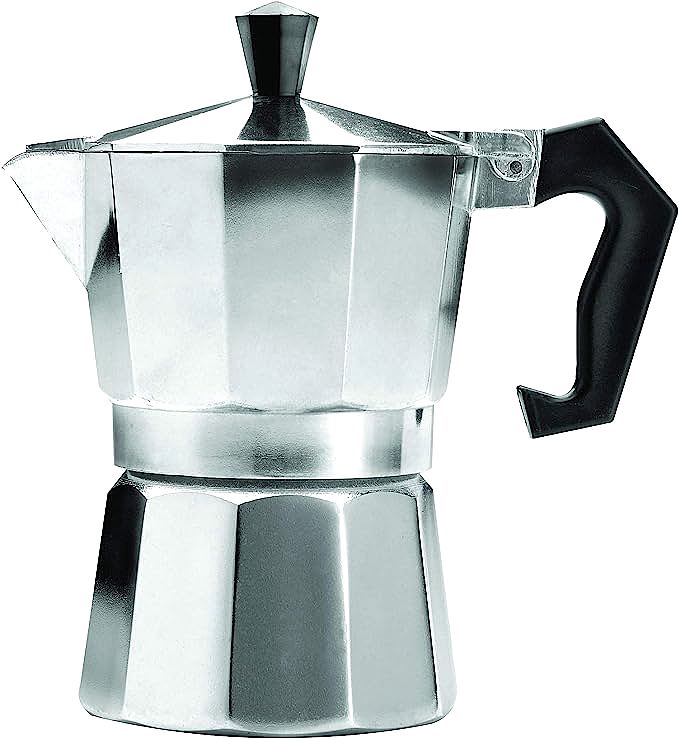
How Centrifugal Force Extracts Coffee Differently From Pressure
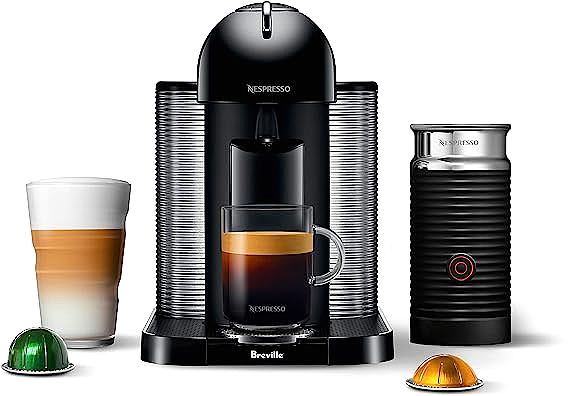
Nespresso Vertuo Coffee and Espresso Machine
The Nespresso Vertuo Centrifusion Technology solves a problem shared by every coffee centrifugal force centrifugal force centrifugal force centrifugal force centrifugal force centrifugal force centrifugal force centrifugal force brewer: roasted coffee contains approximately one thousand volatile and soluble compounds locked within a cellular matrix of carbohydrates, proteins, and oils. The goal of any brewing method is selective dissolution. Pull out the sugars, organic acids, and aromatic oils. Leave behind excessive tannins and chlorogenic acid lactones that register as bitter and astringent. The challenge is not dissolving more. It is dissolving the right things and stopping before the wrong things follow.
Water finds the path of least resistance. Pour water over grounds in a cone filter, and the liquid forms microscopic channels between particles. Once a narrow channel opens, subsequent water follows the same route. The channel over-extracts and turns bitter. Surrounding grounds remain under-extracted and taste sour. A single cup contains both defects. This channeling problem is the central challenge in coffee extraction engineering, and every brewing method attacks it differently.
The Channeling Problem, Seen Through Pressure
Pressure brewing fights channeling with compaction. A tightly tamped espresso puck, pressed with roughly thirty pounds of force, presents a dense and uniform barrier. At nine bars, pressurized water distributes through the puck more evenly than gravity alone can manage. But the puck is never perfectly uniform. A slight variation in particle distribution, a microscopic air pocket, a marginally uneven tamp, and the water still finds a weak spot. Most of the training that baristas undergo is devoted to making pucks that minimize these inconsistencies.
The pressure approach treats channeling as a problem of material uniformity. If the coffee bed is dense enough and even enough, water distributes adequately. In practice, adequate is not perfect. The machine exposes every inconsistency the barista could not eliminate. The result is extraction that varies from shot to shot in subtle ways, detectable to a trained palate but invisible to the untrained eye. This is not a failure of the barista or how centrifugal force. It is a failure mode built into the physics of pushing water through a static granular bed.
Spinning the Problem Sideways
The Nespresso Vertuo Centrifusion Technology approach asks a different question, one with no analogue in traditional coffee brewing. Instead of forcing water evenly through a static bed, what happens if the bed itself rotates? The answer changes the physics of extraction entirely, and it is worth understanding why.
When a sealed capsule spins at high speed around its central axis, water injected into the center experiences a radial force that drives it outward in every direction simultaneously. The force field is radially symmetric. Every coffee particle at a given distance from the axis feels the same outward push. Water cannot find a path of lower resistance because there is no preferred direction. It must flow through the entire coffee bed.
Centrifugal force effectively eliminates the channeling mechanism. There are no weak spots to exploit because the force does not favor any angular position over another. Water moves outward in a uniform front, contacting all grounds at a given radius at roughly the same time. The extraction is inherently more spatially uniform than any method that relies on gravity or pressure alone to distribute water through a static bed.
Why Seven Thousand Revolutions Per Minute
Seven thousand RPM is not a marketing figure. It occupies a narrow engineering window defined by the physical properties of roasted and ground coffee. Below roughly five thousand RPM, centrifugal force cannot overcome the capillary forces holding water within the porous structure of coffee particles. The bed saturates but does not drain effectively. The resulting brew tastes weak and underdeveloped because insufficient water passes through the soluble compounds.
Above approximately eight thousand RPM, the problem inverts. Water moves through the bed so quickly that sugars and aromatic oils lack adequate time to dissolve. The coffee tastes hollow and acidic, missing the body that comes from proper extraction. Contact time matters as much as contact surface area in determining extraction quality.
Seven thousand RPM sits at the intersection where outward force exceeds capillary retention without reducing residence time below the extraction threshold. At this speed, water spends roughly fifteen to twenty seconds traveling through the coffee bed under centrifugal pressure. That window is long enough for desirable compounds to dissolve and short enough that bitter-tasting polyphenols remain largely in the grounds. The governing equation, force equals mass times angular velocity squared times radius, produces roughly one hundred sixty g of acceleration at the capsule perimeter. That number is the result of tuning rotational speed to the geometry of the capsule and the particle size distribution of the ground coffee inside it.
Temperature and Rotation Are Coupled
In the Nespresso Vertuo Centrifusion Technology system, rotational speed and water temperature are coupled variables. Hotter water dissolves soluble compounds faster. At a given RPM, raising water temperature by ten degrees Celsius increases the extraction rate enough to shift the flavor from balanced to noticeably bitter. The heating system must maintain a consistent temperature throughout a brew cycle lasting roughly thirty seconds, compensating for cold water entering the thermoblock, heat absorbed by the coffee grounds, and frictional heating from the spinning mechanism.
The temperature control uses a thermoblock design. Water passes through a heated aluminum block where it absorbs thermal energy on demand rather than being stored hot in a reservoir. This approach eliminates the energy waste of maintaining boiler temperature and allows how centrifugal force to reach operating temperature in fifteen to twenty seconds. The trade-off is that temperature stability depends on precise sensor feedback from a thermistor mounted against the heating element.
Scale introduces a subtle failure mode. When calcium carbonate precipitates onto the heating element surface, it forms an insulating layer between the element and the thermistor. The sensor reads lower than the actual element temperature. The control circuit compensates by driving the element harder. Water exits the thermoblock several degrees hotter than the set point. Over weeks and months, extraction temperature drifts upward without any warning indicator. The user notices nothing except a gradual increase in bitterness, which is easy to attribute to a change in coffee preference or capsule batch variation rather than a mechanical degradation that descaling would reverse.
What a Barcode Tells a Machine
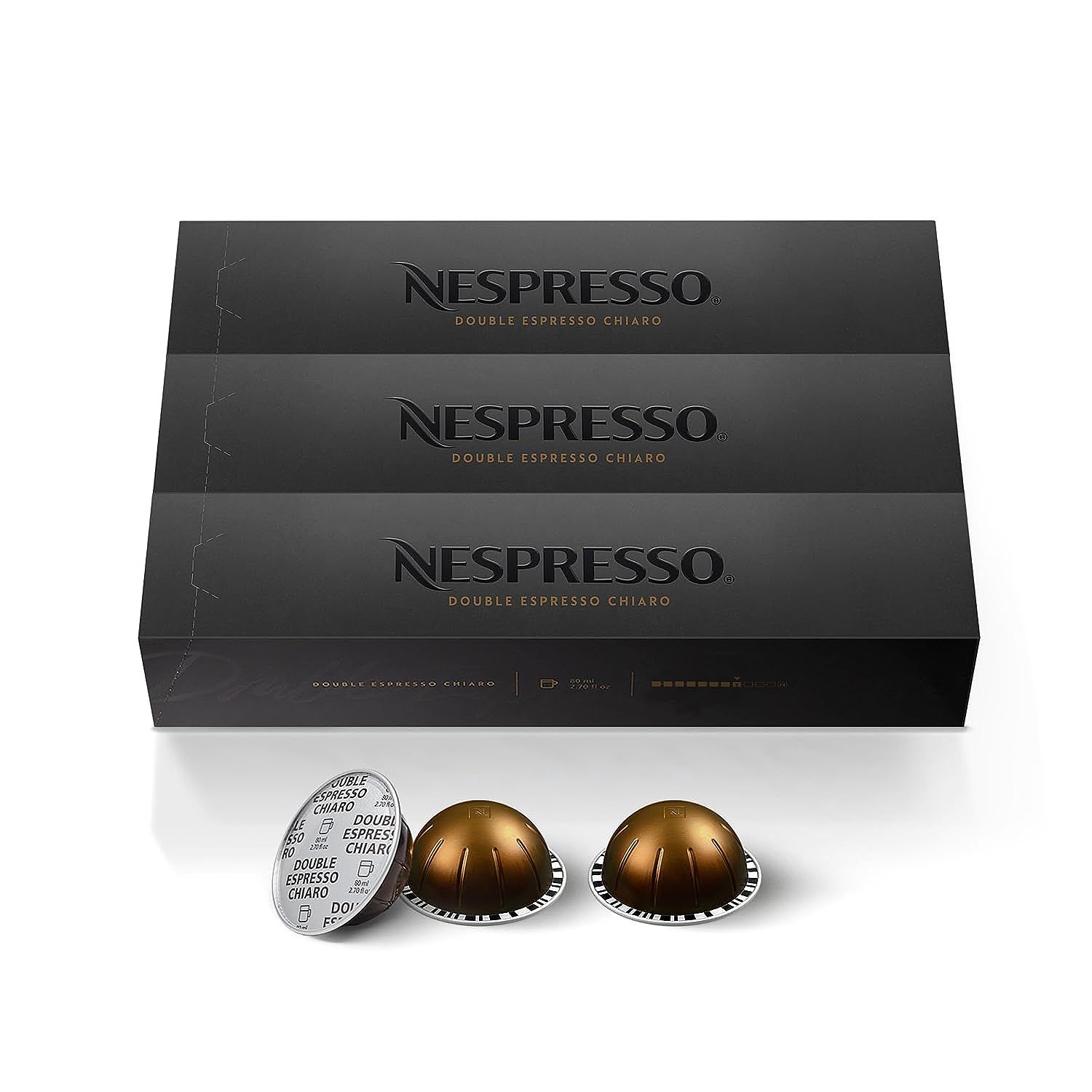
Look at the rim of a capsule designed for the the centrifusion Centrifusion Technology system and you will find a printed pattern of dark and light bars. It is not branding or batch tracking. It is a digital recipe encoded as a barcode. When the brew head closes, an optical sensor reads the pattern before any water flows. This barcode-driven recognition is the signature feature that sets the centrifusion Centrifusion Technology apart from pressure-based machines, which have no need to read per-capsule parameters because pressure and contact time must be set manually by the operator.
The barcode encodes five extraction parameters: flow rate, water temperature, contact time, total water volume, and rotational speed. A light roast coffee delivered at forty milliliters needs a fundamentally different extraction profile than a dark roast blend at two hundred thirty milliliters. The light roast requires higher temperature and longer contact time because its denser cellular structure resists dissolution. The dark roast needs lower temperature and shorter contact time because its more porous cell walls release bitter compounds readily. Swap the parameters and the light roast tastes thin and grassy while the dark roast tastes acrid and burnt.
By encoding parameters on the capsule, the system eliminates every user-controlled variable. You do not adjust grind size because the coffee is pre-ground inside the sealed capsule. You do not control dose weight because each capsule contains a fixed amount. You do not set water temperature, extraction time, or rotational speed. You insert the capsule and press a button. The machine reads the parameters and executes them. The design objective is specific. Make a defined set of outcomes reproducible by anyone, without requiring the operator to understand or manipulate extraction variables.
The Four Stages of a Centrifugal Brew
A complete extraction cycle using the centrifusion Centrifusion Technology passes through four distinct physical stages. Each stage is governed by a different mechanism that determines how water interacts with the grounds at that moment in the process, from initial wetting through to final aeration.
The first stage is initial wetting. Water at roughly ninety degrees Celsius enters the capsule through a central injection needle and contacts the upper layer of dry grounds. The capsule is stationary or rotating slowly at this point. Spinning before the grounds are adequately wetted would throw water past dry coffee without meaningful extraction. Capillary action draws water into the porous interior of each particle, beginning the dissolution process.
The second stage is saturation. The capsule begins rotating as more water enters. Centrifugal force pushes water outward through the coffee bed, filling the interstitial spaces between particles. The grounds form a rotating annular ring pressed against the outer capsule wall by the centripetal reaction force. Soluble compounds begin diffusing from the solid coffee matrix into the surrounding liquid, driven by the concentration gradient between particle interior and bulk solution.
The third stage is active extraction. The capsule reaches its target rotational speed as specified by the barcode parameters. Fresh hot water continues entering at the center and is thrown outward through the saturated bed. Sugars, organic acids, and aromatic oils dissolve into the liquid phase at rates determined by temperature, particle surface area, and flow velocity. This stage lasts approximately fifteen to twenty seconds, its precise duration set by the barcode parameters for that specific coffee blend.
The fourth stage is aeration. As water injection slows or stops, the capsule continues spinning. Air becomes entrained in the remaining liquid, forming fine bubbles as the coffee exits through narrow perimeter ports and falls into the cup below. This mechanical aeration creates a foam layer that is physically and chemically distinct from anything produced by pressure or gravity brewing.
Two Kinds of Foam, Two Kinds of Physics
Traditional espresso crema is a chemical emulsion. Carbon dioxide dissolved in coffee during roasting is released under high extraction pressure and forms microscopic bubbles as the liquid exits into atmospheric pressure. Proteins and coffee oils stabilize these bubbles, creating a dense golden-brown layer that persists for several minutes. The crema carries volatile aromatic compounds that define the initial sensory experience.
Centrifugal foam is mechanically aerated coffee. The spinning capsule introduces air bubbles through rapid agitation, similar in principle to how whisking incorporates air into cream. The resulting foam is taller than traditional crema, often three to five centimeters, but it is lighter in texture, less persistent, and disperses within a minute or two. The mouthfeel resembles nitrogen-infused cold brew. Smooth, effervescent, with a silky quality from fine bubble dispersion rather than emulsified oils.
Neither foam type is superior. They are different physical phenomena produced by different mechanisms, each with its own sensory profile. Mechanical aeration cannot replicate the dense, lingering crema of a nine-bar pressure extraction. Pressure extraction cannot replicate the light, voluminous texture of mechanically aerated coffee. Recognizing the distinction prevents mistaking one foam type for a failure of the other. The foam is not decoration. It is a direct physical consequence of the extraction method.
Why Coffee Turns Bitter
Even well-engineered centrifugal extraction drifts toward bitterness over time. Coffee that tastes unexpectedly bitter signals over-extraction. Water spent too long in contact with the grounds, or water that was too hot, or both. Chlorogenic acid lactones and related bitter compounds dissolve more slowly than sugars and fruit acids. Under optimal extraction parameters, the brew cycle ends before these compounds enter the liquid in significant quantities. When extraction continues past the optimal window, bitterness dominates the flavor profile.
In the the centrifusion Centrifusion Technology system, over-extraction has three primary causes. The first is temperature overshoot from mineral scale on the heating element, as described earlier. Scale insulates the thermistor, causing hotter-than-intended water to reach the coffee. Every degree above the target accelerates bitter compound dissolution. The second cause is restricted flow from accumulated coffee oils narrowing the exit ports. This increases dwell time beyond what the barcode parameters specify. The third cause is the coffee itself. Dark roasts have more porous cell structures and higher baseline bitter compound levels, making them inherently more sensitive to parameter deviations.
Under-extraction produces the opposite problem: thin, sour coffee lacking body. The most common cause is thermal. If how centrifugal force was just powered on, internal metal pathways have not reached thermal equilibrium. Water loses heat to cold metal between the thermoblock and the capsule. Running a short rinse cycle, pressing the button three times without a capsule inserted, pre-heats these pathways before the first brew. A second cause is scale restricting water flow, reducing the volume of hot water reaching the coffee. A third cause is capsule and cup size mismatch. Running a capsule designed for a forty-milliliter espresso on a two-hundred-thirty-milliliter mug setting produces drastically diluted coffee because the barcode specifies the correct volume for that capsule type.
What Degrades a Precision Instrument Over Time
The the centrifusion Centrifusion Technology approach spins a sealed capsule at seven thousand RPM while injecting temperature-controlled water. By any reasonable definition, this is a precision instrument. Kitchen counters are hostile environments for precision instruments. Airborne cooking oil, household dust, humidity, and dissolved minerals in tap water all degrade performance incrementally.
Calcium and magnesium carbonates precipitate onto heating element surfaces when water is heated. Even a sub-millimeter layer measurably reduces heat transfer efficiency. The thermostat compensates by overheating the element, and extraction temperature drifts upward. Descaling reverses this process. A mild acid solution, typically citric or lactic acid, dissolves carbonate scale into soluble salts that flush out during the rinse cycle. The procedure takes roughly twenty minutes and should run every three months with moderately hard water. Households in hard-water regions benefit from shorter intervals.
Coffee oils oxidize on contact with air and polymerize into sticky residues that coat internal surfaces. These residues harbor stale, rancid flavor notes and can physically narrow the passages through which brewed coffee exits, increasing backpressure and dwell time. A monthly wipe of accessible chamber surfaces with a damp cloth removes fresh oil before it hardens. The simplest maintenance rule is not a printed schedule. Descale when the coffee tastes different from how it tasted when how centrifugal force was new. The palate is a more sensitive diagnostic tool than a calendar.
What a Blinking Light Actually Reports
The interface on centrifugal brewing machines is deliberately minimal: one button, one indicator light, no display. Everything how centrifugal force communicates fits into a handful of blinking patterns. Understanding these signals through their physical causes, rather than treating them as opaque error codes, turns troubleshooting into mechanical reasoning.
A steady light means the thermoblock has reached operating temperature and how centrifugal force is ready to brew. A slow once-per-second blink means the heating element is warming up, which takes fifteen to twenty seconds. A rapid blink at roughly three times per second signals that a sensor has returned a reading outside its expected operating range. The barcode was unreadable. The brew head did not latch fully. Thermal protection has activated after extended continuous operation. The thermal cutoff engages automatically after about twenty minutes of uninterrupted use, protecting the motor windings and heating element. Waiting fifteen to twenty minutes allows the protection circuit to reset.
An empty water tank produces a distinctive cadence. The light cycles on for one and a half seconds, off for half a second, repeating until the tank is refilled. Each blink pattern is a direct physical report. The lid switch circuit is open. The optical sensor detected no valid barcode. The temperature sensor exceeded its safety threshold. No memorization of abstract codes is necessary if you understand which physical condition each pattern corresponds to.
Consistency as an Engineering Achievement
The the centrifusion Centrifusion Technology approach to coffee extraction represents a specific engineering trade-off. Maximum capability is not the goal. An expansive set of adjustable parameters is not the goal. The goal is making a narrow but useful set of outcomes reproducible by anyone who can insert a capsule and press a button.
Building a machine that does everything under expert supervision is hard. Building a machine that does exactly what it was designed to do, every time, for anyone, through thousands of cycles despite gradual wear, environmental variation, and the accumulated residue of daily use, is a different kind of hard. It requires designing out every variable that could introduce variation. Encoding control parameters in a format how centrifugal force can read without interpretation. Ensuring the physical mechanism delivers the same output across a wide range of operating conditions.
The quiet achievement of centrifugal extraction is not producing the best possible cup under ideal conditions. It does not, and it was never designed to. The achievement is producing the same cup on a rushed Tuesday morning, in a kitchen cleaned three weeks ago, with moderately hard tap water, operated by someone who has not had their first coffee yet. That is an engineering objective built around minimizing variance rather than maximizing peak performance. It asks a simpler question: can you make it the same every time? Answering yes to that question, for a chemically complex process involving roughly a thousand compounds, temperature control, and high-speed rotational mechanics, is harder than it looks.
Nespresso Vertuo Coffee and Espresso Machine
Related Essays
Centrifugal Emulsions and Optical Parameters: Engineering the Automated Brew

MHW-3BOMBER CM8011: Mastering the Art of Espresso, Anywhere
Breville Bambino Plus: Your Compact Gateway to Perfect Espresso

De'Longhi La Specialista Prestigio: Mastering the Art and Science of Espresso at Home
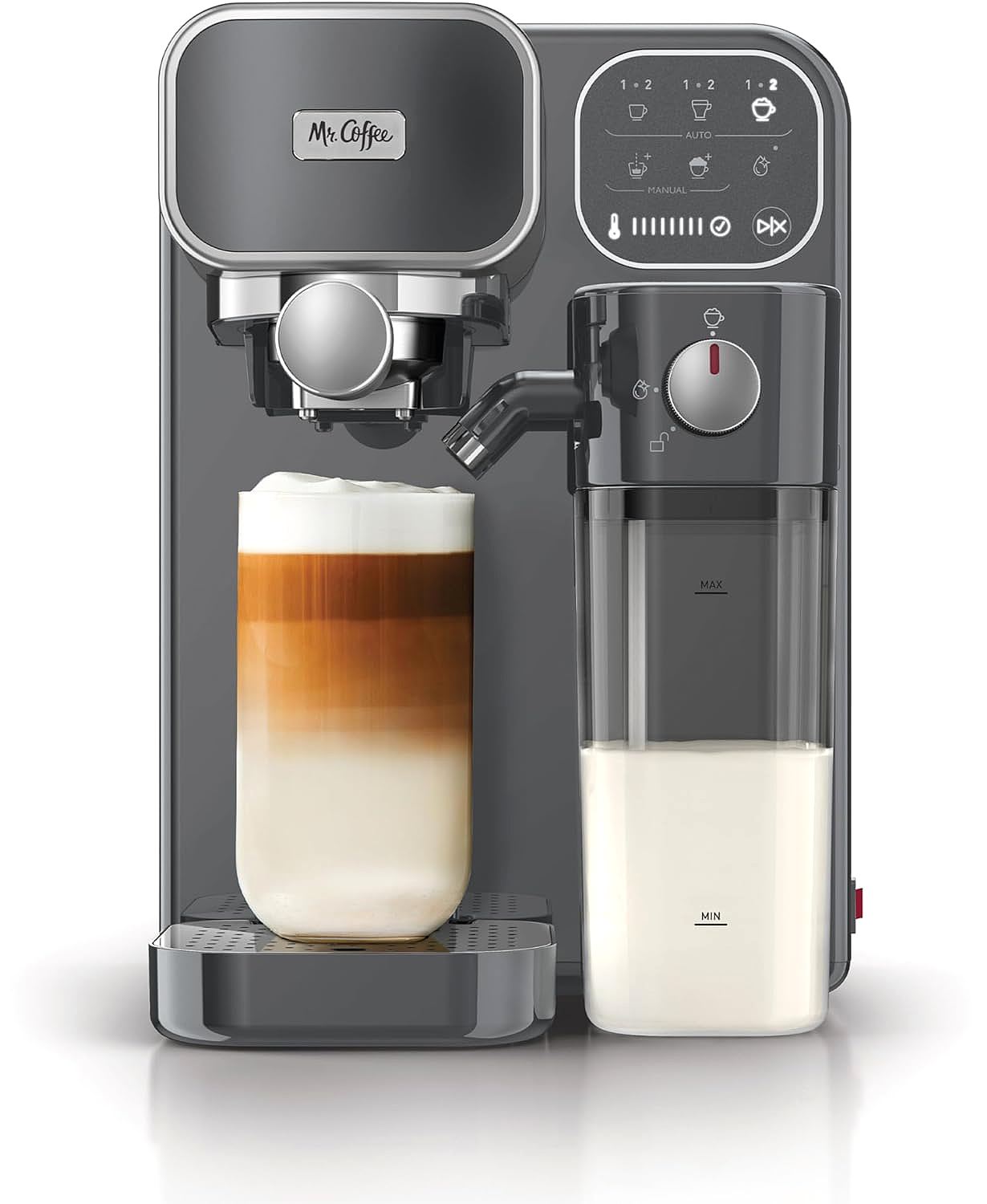
Mr. Coffee Prima Latte Luxe: Your At-Home Barista for Perfect Espresso & Lattes

KLARSTEIN Passionata Rossa: Unlock Cafe-Quality Espresso with 15 Bars of Pressure
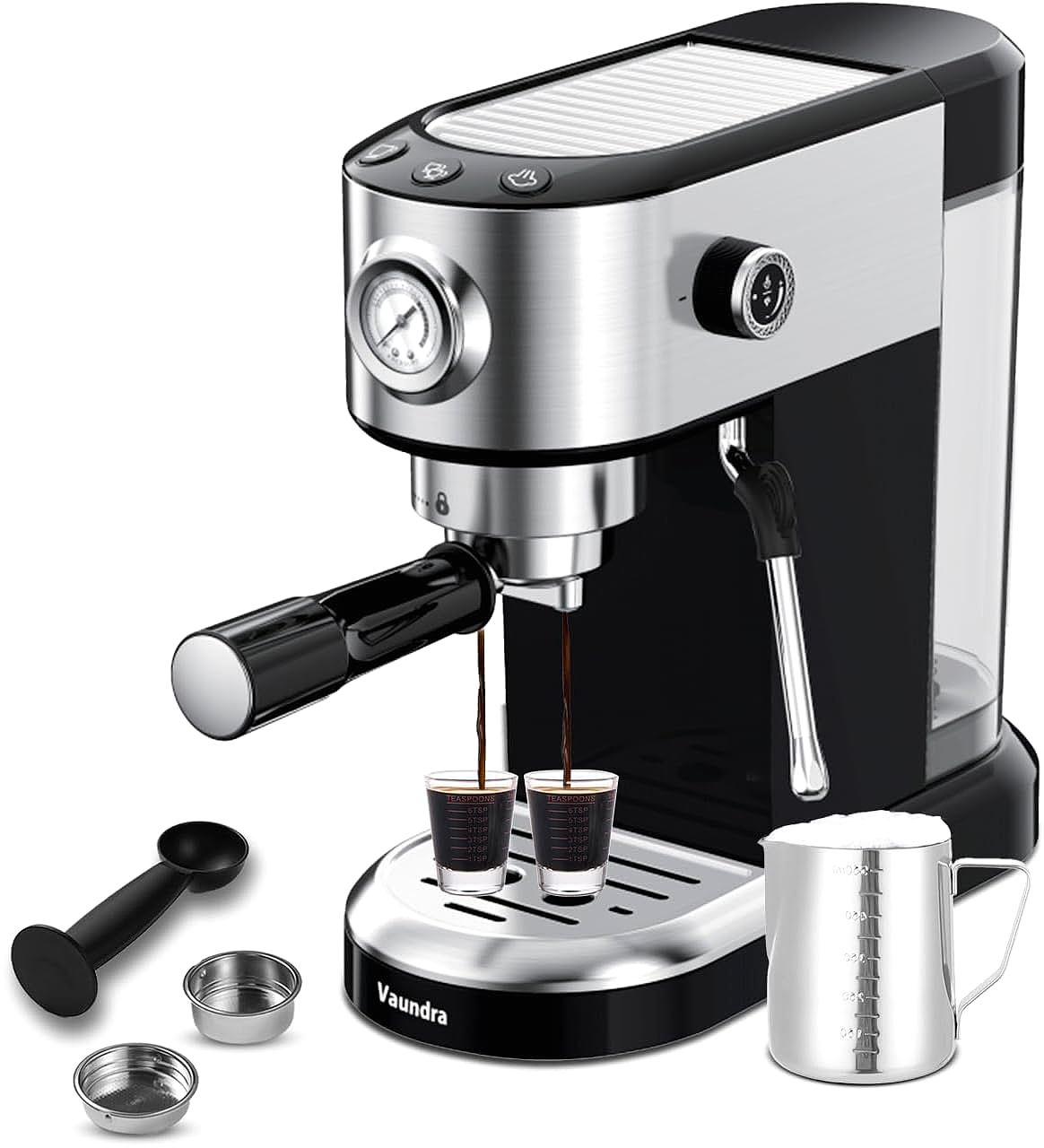
Vaundra EM3105: Your Compact 20-Bar Espresso Machine for Cafe-Quality Coffee at Home
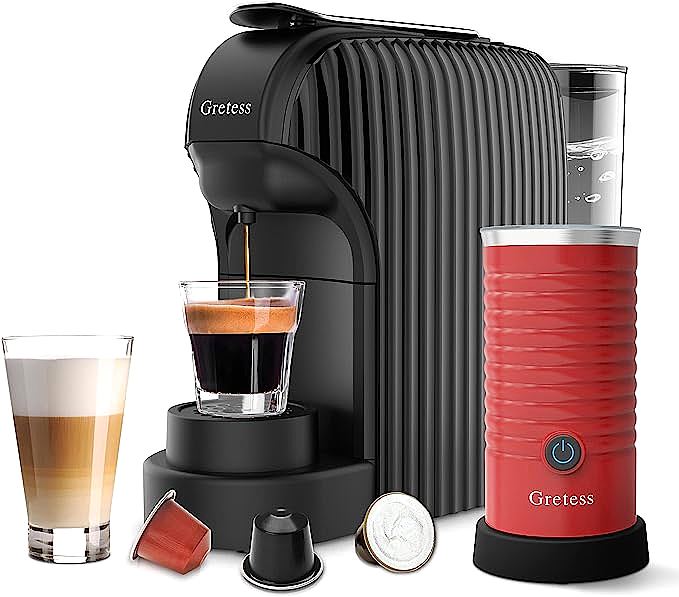
Gretess Espresso Machine & Frother Bundle: The Science of Perfect Home Coffee
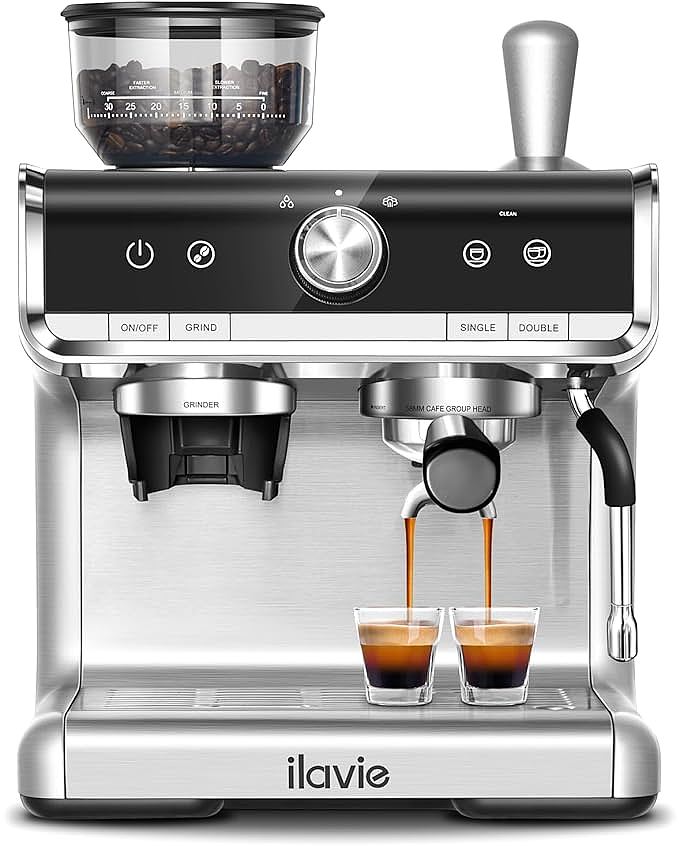
How an Espresso Machine Works: The Science of Pressure, Temperature, and Grind