Stovetop Espresso Physics: Why Steel and Twin Spouts Changed the Moka Pot
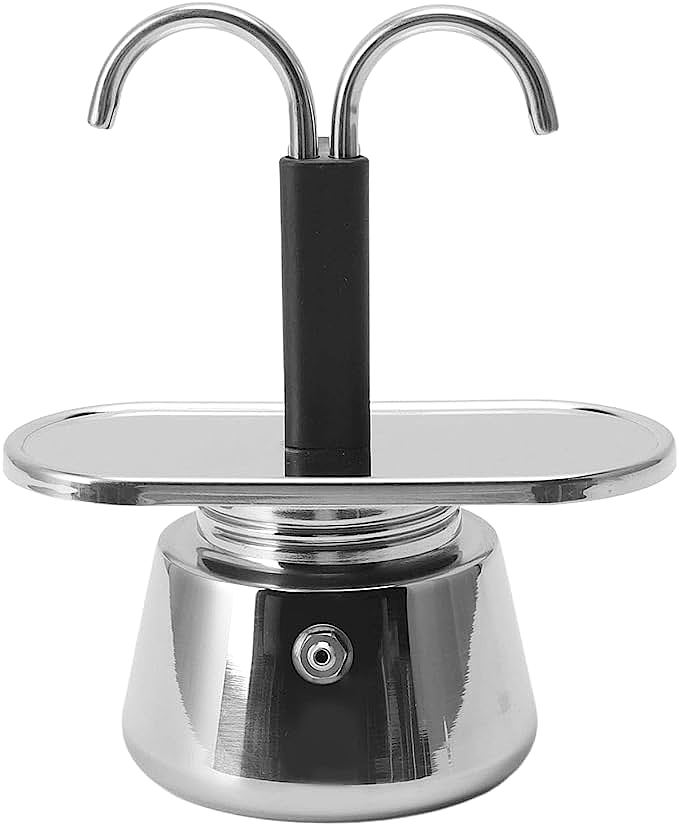
YEmirth 2 Cup Stovetop Espresso Maker
Two small cups, one aluminium pot, and a hissing sound that means coffee is ready. That is the moka pot ritual most people know. But move the same brewing principle into stainless steel and split the spout in two, and the physics start to behave differently. Heat moves slower. Pressure distributes across two paths instead of one. The result looks almost identical in the cup, yet the engineering underneath has shifted in ways that matter for taste, durability, and daily use.
The YEmirth 2 Cup Stovetop Espresso Maker is one example of this shift, but the story here is not really about one brand. Whether you call it a stovetop pot, a Bialetti alternative, or a yemirth moka pot espresso maker, the underlying physics is the same. It is about what happens when you change the material and the geometry of a brewer that has barely evolved since 1933. Understanding the why behind those changes tells you more than any feature list ever will.

How a Moka Pot Actually Brews
A moka pot is a pressure vessel, not a percolator and not a pump machine. Three chambers stack vertically: a lower boiler filled with water, a funnel basket holding ground coffee, and an upper collection chamber. Heat from the stove raises the water temperature. As the water warms, the air trapped above it expands. By the time the water approaches 100 degrees Celsius, the pressure in the lower chamber has climbed to roughly 1 to 2 bars. That pressure has only one escape route, and it routes upward, through the coffee bed and out a central column into the top chamber.
Two things are worth noticing here. First, the brew temperature is effectively the boiling point of water at your altitude, not the 92 to 96 degrees that a proper espresso machine targets. This is why moka coffee tastes different from espresso: hotter water extracts more bitter compounds alongside the desirable ones. Second, the pressure is modest. A real espresso machine runs at 9 bars. A moka pot produces perhaps a fifth of that. The crema you see on top is mostly emulsified oils and trapped air, not the pressure-formed crema of a commercial shot.
These constraints are not flaws. They are the design. The moka pot was engineered to give a working-class Italian household something close to espresso without a costly machine, and the same constraints still define the brew today.
Why Stainless Steel Behaves Differently From Aluminum
Aluminium is the traditional material for a reason. It conducts heat rapidly, at roughly 237 watts per metre-kelvin, which means the base of an aluminium moka pot heats fast and responds quickly when you turn the flame down. This responsiveness is part of why a Bialetti feels forgiving on a gas hob. The same property is also why aluminium demands care: the metal is reactive and porous at a microscopic level, which is why an aluminium moka pot has to be seasoned with a few throwaway brews and never washed with detergent.
Stainless steel sits at the opposite end of the thermal scale. Food-grade 18/8 steel, the alloy used in most cookware, conducts heat at around 16 watts per metre-kelvin. That is roughly fifteen times slower than aluminium. In practical terms, the same brew on a gas stove takes about 30 seconds longer to start, and the pot holds onto its heat longer after you pull it off the burner. That thermal lag has consequences. The good one is temperature stability during the brew itself, since the metal resists sudden spikes. The tricky one is that the brew keeps extracting for a few seconds after removal, so the trick of lifting the pot the instant the sound changes matters more with steel than with aluminium.

There is a second property that matters more than thermal conductivity. Stainless steel is non-reactive. No seasoning, no metallic taste leaching into the cup, no aluminium flavour dispute to worry about. You can wash it with soap. You can leave it wet overnight. The chromium oxide layer that gives stainless steel its name reforms itself on contact with air, which is why the surface does not pit the way aluminium does. For a buyer who has been told never to scrub their moka pot, switching to steel removes a whole category of anxiety.
A third property, less obvious but quietly valuable, is ferromagnetism. The grade of steel used in induction-compatible cookware contains enough iron to interact with an induction coil. Aluminium does not. If your kitchen runs an induction hob, an aluminium moka pot is useless without a converter disc, while a steel one simply works. The yemirth moka pot espresso maker uses exactly this induction-compatible grade, which is why it lands directly on a modern hob with no adapter. That single fact has pushed more moka pot sales in the last decade than any flavour claim.
The Engineering of a Twin Spout
A single spout has been the default for nearly a century. The brewed coffee rises through a central column and pours out of one nozzle into one cup. If you want two cups, you split the stream manually, and you accept that the first pour is stronger than the second because the brew weakens as the water level drops.
A twin-spout design tackles that problem geometrically. Near the top of the upper chamber, the column branches into a Y-shaped funnel. The two outlets are placed symmetrically around the centre line, which means the static pressure at each outlet is identical. In fluid terms, the flow rate through each spout depends on the pressure differential between the chamber interior and the outside air. With symmetric geometry, those differentials are equal, and the two streams pour at the same rate.

The catch is in the word symmetrical. The split only works if the coffee bed below was tamped level and the pot was screwed together squarely. If the funnel basket sits at a slight angle, the column of rising coffee preferentially feeds one branch. One spout then pours a full stream while the other drips. This is not a defect of the design, and it shows up on the yemirth moka pot espresso maker the same way it shows up on any twin-spout pot. It is a sensitivity to assembly that any twin-spout pot will share, regardless of who makes it. The fix is procedural rather than mechanical: level the grounds, tighten the threads, set the pot on a centred flame.
There is a quieter argument for the twin spout, which has nothing to do with speed of service. A shorter pour distance means less heat lost between pot and cup. Two streams falling a few centimetres each cool less than one stream travelling further or being poured back and forth. For a small 100 millilitre brew, where a few degrees of temperature change affects how the oils emulsify, that detail is not trivial.
The Small-Pot Problem and Why It Is Not a Problem
A 100 millilitre pot brews two small espresso cups, nothing more. That sounds limiting until you consider what a moka pot is for. It is not a batch brewer. It is a pressurised extraction device tuned for a narrow window of dose and yield. Scale a moka pot up to six cups and you scale up the distance the coffee has to travel through the bed, the channeling risk, and the unevenness of extraction across the puck. The three-cup and six-cup pots exist because households demanded volume, not because volume produces better coffee.
A two-cup pot sits closer to the original design intent. The coffee bed is shallow and even. The water path is short. The whole brew completes in roughly five minutes, and the resulting 100 millilitres lands in the cup hot, fully extracted, and free of the muddy over-extraction that haunts larger pots left on the flame too long.
For a single drinker, the math still works. One brew fills two small cups, and the second cup is your refill. For a couple, both cups pour simultaneously, which is the entire reason the twin spout exists. The yemirth moka pot espresso maker sits squarely in this category, treating the 100 millilitre volume as a feature rather than a limitation. For a camper or traveller, the small size is the point: a 380 gram steel pot packs into a side pocket and produces real coffee on a camp stove, something instant coffee cannot match.

The Quiet Work of the Safety Valve
Every moka pot has a pressure relief valve, and almost nobody talks about it until it matters. The valve is a small brass or steel pin set into the side of the lower chamber, sealed with a rubber gasket. Under normal brewing pressure of 1 to 2 bars, the pin stays seated and the brew proceeds as described. If the pressure climbs, typically because the coffee bed has clogged the funnel or the pot was left on a high flame, the valve lifts and vents steam sideways before the chamber can fail.
This is the only true safety mechanism in the entire device, and it is also the part most likely to degrade silently. The rubber gasket hardens with heat cycling. After a year or two of daily use, the seal may no longer hold at its rated pressure, which means the valve either weeps during normal brews or, worse, fails to vent when it should. Replacement is cheap and easy, and standard Bialetti-compatible gaskets fit most steel pots of similar size. Treat the valve like a smoke alarm battery: check it, replace it on a schedule, and never assume it is fine because nothing has gone wrong yet.
Cleaning Without Ruining the Pot
Stainless steel removes the seasoning rule that aluminium imposes, but it does not remove physics. Soap molecules are long and sticky, and they cling to microscopically rough surfaces even after rinsing. The yemirth moka pot espresso maker is no exception: washed with detergent and rinsed casually, it will taste faintly soapy for the next three brews. The fix is mechanical, not chemical: rinse with hot water until the surface feels squeaky rather than slick, and run two cycles of plain water through the pot before the next coffee brew to flush any remaining residue.
Hard water leaves a different kind of deposit. Calcium and magnesium carbonates precipitate out of heated water and form a pale crust on the inside of the boiler. This crust is harmless to taste, and a thin layer can actually smooth out temperature swings, but over months it thickens and insulates the base from the flame. A monthly descale with a dilute white vinegar solution dissolves the minerals without touching the steel. Rinse thoroughly afterward, because vinegar left in a steel pot will pit the surface given enough time.
The rubber gasket between the upper and lower chambers ages fastest of all. Heat cycles degrade elastomers, and a gasket that has lost its elasticity will weep steam during the brew and drop the chamber pressure. A weeping gasket means slower, cooler extraction and a thinner cup. Six to twelve months is a reasonable replacement interval for daily use, and the swap takes thirty seconds.
Reading the Sound of a Finished Brew
The most useful skill a moka pot owner can develop is listening. The brew begins with a low rumble as steam starts to form, rises into a steady hissing pour as the coffee climbs the column, and ends with a sputtering, gurgling crackle when the lower chamber is running dry. That sputter is the cue to remove the pot from the heat. Every second past that point is over-extraction, and with steel's thermal lag, the pot keeps cooking for several seconds after you lift it.
Two techniques extend control beyond simply pulling the pot off. The first is running the base under a cold tap for a few seconds the moment the sputter starts, which arrests extraction immediately by dropping the chamber pressure. The second is preheating the water in a kettle before pouring it into the lower chamber, which shortens the time the coffee spends in contact with hot metal before pressure builds. Both apply to the yemirth moka pot espresso maker in the same way they apply to any steel pot. Neither technique requires special equipment. Both produce a measurably cleaner cup.
What Steel and Twin Spouts Are Really Saying
The moka pot has lasted ninety years because it solves a problem elegantly: strong coffee at home, without a machine, with only a stove and a few minutes. The classic aluminium single-spout design is the canonical solution. Everything else is variation on the theme, and variation is where the engineering conversation lives.
Steel answers a different question than aluminium. It asks what happens when you trade responsiveness for stability, reactivity for neutrality, induction compatibility for thermal lag. The twin spout asks another: what happens when you change the geometry of the pour itself, splitting one stream into two equal halves. None of these choices is universally better. They are trade-offs, and the job of a buyer is to match the trade-offs to the kitchen they actually have.
The yemirth moka pot espresso maker sits at one particular intersection of these choices: stainless steel, twin spout, small volume, induction-ready. It is not the only pot at that intersection, and the principles above apply equally to any pot that shares the geometry. What matters is that the next time you lift a moka pot off the flame and listen for that sputter, you understand which forces are at work inside the metal in your hand, and why the cup in front of you tastes the way it does. The brewing was never magic. It was always physics, patiently waiting to be read.
YEmirth 2 Cup Stovetop Espresso Maker
Related Essays
Stovetop Espresso Physics: Why Steel and Twin Spouts Changed the Moka Pot
Stovetop Espresso Physics: Why Steel and Twin Spouts Changed the Moka Pot
Stovetop Espresso Physics: Why Steel and Twin Spouts Changed the Moka Pot
Stovetop Espresso Physics: Why Steel and Twin Spouts Changed the Moka Pot
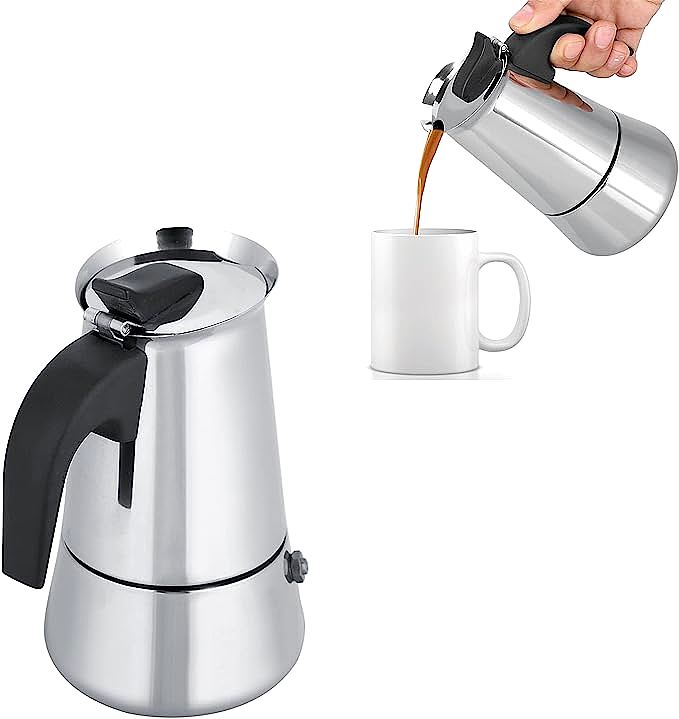
YUYTE Moka Pot: Brewing Authentic Italian Espresso at Home
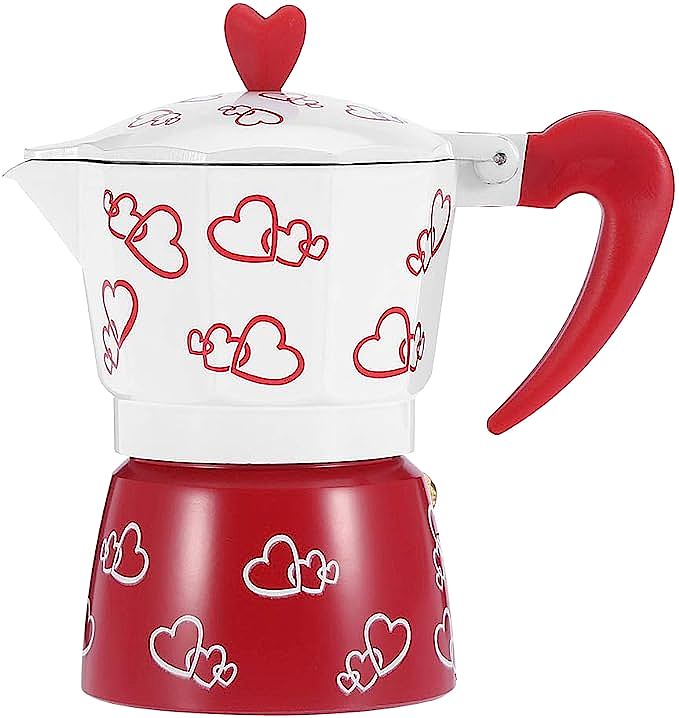
Fdit Moka Pot: Your Gateway to Authentic Italian Espresso at Home

Nannday Moka Pot: Your Gateway to Authentic Italian Espresso at Home

The Stovetop Icon: A Scientific and Cultural Anatomy of the Moka Pot and the RAINBEAN ST201-B6
The Stovetop Icon: Anatomy of the Moka Pot and the RAINBEAN ST201-B6
