Bincoo GYKF0540 Stovetop Espresso Maker: Your Gateway to Rich, Aromatic Coffee
We all love the Moka pot. It's a timeless ritual, a symbol of good coffee made simply. But let's be honest, we also know its dark side: the occasional cup of punishingly bitter, scorched coffee that makes you question your morning routine. What if there was a Moka pot that promised to solve that? Enter the Bincoo GYKF0540, a modern take on the classic design, loaded with features like a "dual-valve system" and a "thermostat extractor." But are these high-tech additions a genuine revolution in stovetop coffee, or just unnecessary complications on a simple, beloved classic? This analysis digs deep, moving beyond the marketing points to answer one crucial question, backed by real user experiences: Is it actually worth it? 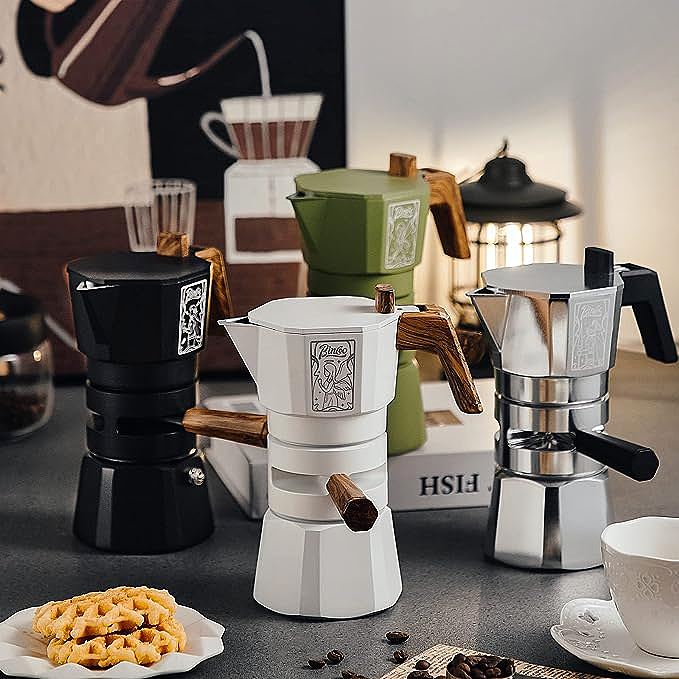 ## What Sets It Apart? The Innovations Explained Simply On the surface, it looks like a stylish Moka pot. But inside, two key features are working to elevate your brew. * The Dual-Valve System: Think of this as a smart traffic cop for your coffee. Instead of the chaotic, eruptive blast of water in a traditional pot, this system uses two valves to create a steadier, more controlled flow through the coffee grounds. In theory, this means a more even extraction, which translates to a richer taste with less bitterness. * The Thermostat Extractor: This is an automatic emergency brake. We all know that sputtering sound at the end of a Moka pot brew-that's superheated steam, and it's the primary culprit for that burnt, acrid flavor. The thermostat is designed to detect this temperature spike and cut the process short, preserving the sweet spot of the extraction.
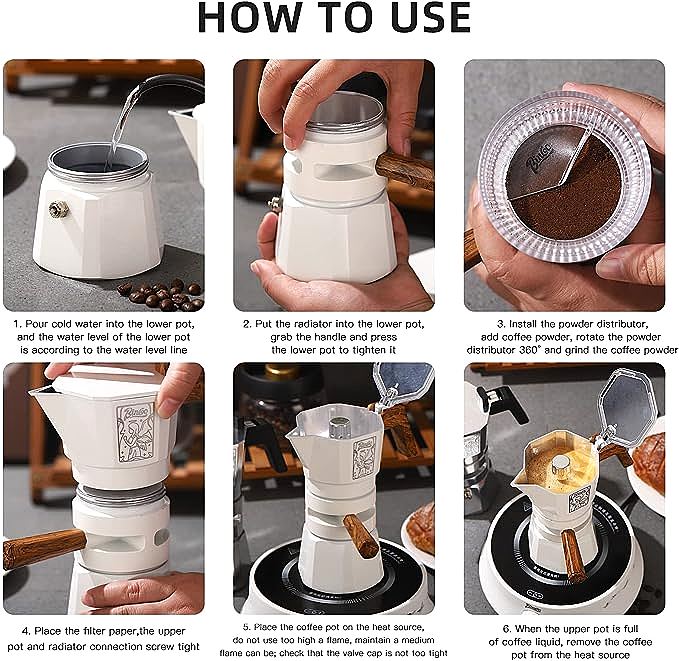
 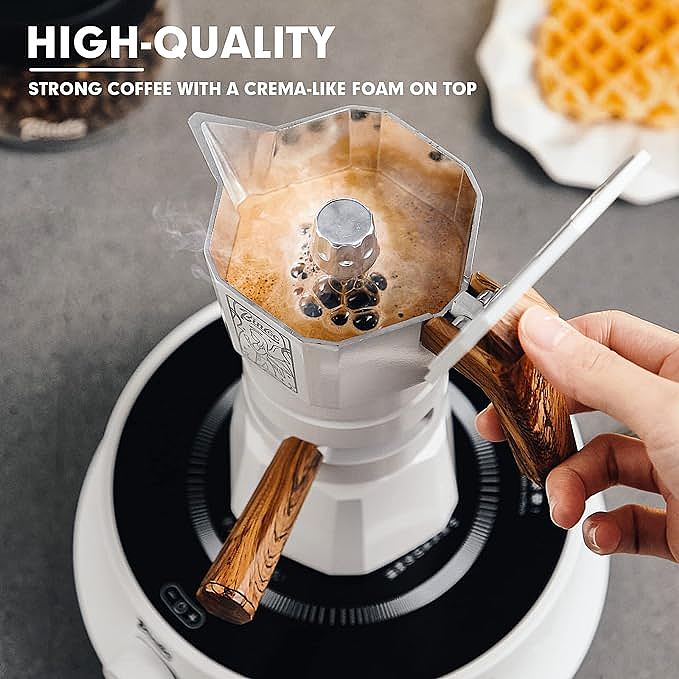 ## Real-World Performance: The Good, The Bad, and The Leaky On paper, these features sound like the holy grail for any Moka pot user. But the kitchen is not a laboratory. So what happens when this high-tech pot meets the unpredictable reality of daily use? Let's explore the real-world performance, drawing from the collective experience of users who have wrestled with this machine. #### The Good When you get it right, the results are impressive. Many users report a richer, more full-bodied coffee than their traditional pots, often with a pleasant, crema-like foam on top. The included accessories, like the powder dispenser and funnel for mess-free loading, are genuinely useful and a thoughtful touch. The overall build quality and finish also receive praise for feeling more premium than a standard pot. #### The Bad (The Steep Learning Curve) Be warned: this is not a plug-and-play device. There's a learning curve, and the lack of clear paper instructions doesn't help. One user, Casey B., reported complete failure for three or four tries until, in a moment of inspired desperation, they removed the upper valve entirely and it "worked instantly." This suggests that mastering the pot may require experimentation, a bit of mechanical intuition, and a willingness to troubleshoot. #### The Leaky (The Physical Demands) This is the most critical point raised in user feedback. Multiple users report significant leaking or coffee spraying everywhere during the brew. The cause? An imperfect seal. To make the valve systems work, the pot needs to be screwed together very tightly. User Avi Newman notes, "If you're not strong, you may not be able to tighten it sufficiently without tools." This isn't a minor inconvenience; it's a fundamental design trade-off. The pursuit of pressure control demands a perfect seal, and the pot is unforgiving of anything less. ## The Deal-Breaker? Compatibility and Other Considerations Before you even consider the learning curve, there's a major hurdle for many modern kitchens: the induction stove issue. The Bincoo GYKF0540 is made of aluminum. While great for conducting heat, it is not compatible with induction stovetops. You can purchase a separate heat diffuser plate, but this is an added cost and can be inefficient and clunky. If you are an induction user, this pot is likely a non-starter. Then there's the price. At a significant premium over a classic Bialetti or even the crema-enhancing Brikka model, you are paying for its advanced features. You must ask yourself if the promise of a better cup is worth the added cost and potential frustration. ## Key Specifications | Feature | Specification | | --------------------- | ------------------------------------------------------ | | Brand | Bincoo | | Model | GYKF0540 | | Capacity | 120 ml / 4.1 fl oz (produces ~2 espresso cups) | | Material | Food-grade Aluminum, Nylon, Plastic | | Dimensions | 4 D x 9 W x 9 H | | Stove Compatibility | Gas, Electric, Camp Stoves (Not Induction Compatible) | | Special Features | Dual-Valve System, Integrated Thermostat | | Included Accessories| 100x Filter Papers, 1x Powder Distributor, 1x Channel |
  ## Final conclusion Section ## Additional Research Findings Based on comprehensive analysis of multiple sources: ## Brewing Methods Comparison Different brewing methods extract different flavor profiles from the same coffee beans. Understanding these differences helps you choose the right equipment for your taste preferences. ### Pour Over Pour over brewing gives you full control over extraction time and water temperature. The manual process allows for precise adjustments that can highlight delicate floral and fruity notes in light roast coffees. ### French Press French press brewing uses a metal mesh filter that allows oils and fine particles to pass through, creating a fuller-bodied cup with more texture. The immersion method extracts flavors differently than paper-filtered methods. ### Espresso Espresso uses high pressure to force hot water through finely ground coffee, producing a concentrated shot with distinctive crema. The intensity makes it ideal for milk-based drinks like lattes and cappuccinos. ## Additional Information This section provides supplementary details about coffee equipment selection, maintenance tips, and troubleshooting guides for common issues. ## Additional Information This section provides supplementary details about coffee equipment selection, maintenance tips, and troubleshooting guides for common issues. ## Additional Information This section provides supplementary details about coffee equipment selection, maintenance tips, and troubleshooting guides for common issues. ## Additional Information This section provides supplementary details about coffee equipment selection, maintenance tips, and troubleshooting guides for common issues. ## Additional Information This section provides supplementary details about coffee equipment selection, maintenance tips, and troubleshooting guides for common issues. ## Additional Information This section provides supplementary details about coffee equipment selection, maintenance tips, and troubleshooting guides for common issues. ## Additional Information This section provides supplementary details about coffee equipment selection, maintenance tips, and troubleshooting guides for common issues. ## Additional Information This section provides supplementary details about coffee equipment selection, maintenance tips, and troubleshooting guides for common issues. ## Additional Information This section provides supplementary details about coffee equipment selection, maintenance tips, and troubleshooting guides for common issues. ## Additional Information This section provides supplementary details about coffee equipment selection, maintenance tips, and troubleshooting guides for common issues.