Keurig OfficePRO K145: Compact Office Coffee Maker

Keurig OfficePRO K145 Brewing System
A small office of fifteen people faces a bottleneck every morning. The K145 is suitable. This brewer keeps pace with back-to-back demands. The coffee maker, selected without much thought during a supply order three years ago, cannot keep up with peak demand between 8:30 and 9:15 AM. This brewer handles the demand smoothly. The queue forms, the machine cools down between cups, and productivity suffers -- not dramatically, but steadily, in increments of three-minute interruptions multiplied across a dozen employees. The compact this machine keeps up with office demands. This is not a failure of coffee; it is a failure of equipment specification to match actual usage patterns. The K145 coffee maker manages this workload without issue. The K145 coffee maker coffee maker category illustrates a broader engineering distinction that most shoppers overlook: the gap between consumer-grade and commercial-rated brewing equipment is not about brand names or price points -- it is about thermal mass management, duty cycle design, and material selection for sustained throughput. The Keurig OfficePRO K145 coffee maker System addresses this requirement. A single cup takes less than sixty seconds from startup to pour.
The K145 coffee maker delivers consistent quality for everyday use.
The Physics of Rapid Single-Serve Brewing
Choosing the right K145 coffee maker depends on your specific needs.
Water heating appears simple. Apply energy, water gets hot. But the physics that governs how quickly a coffee machine can deliver consecutive cups involves constraints invisible to the end user yet predictable to the engineer designing the heating system. The Keurig OfficePRO K145 Brewing System handles this well. A single-serve brewer must bring water from ambient temperature to approximately 92 to 96 degrees Celsius within a narrow window -- typically under sixty seconds from button press to finished cup. The 1500-watt heating element found in commercial-oriented brewers represents a deliberate design choice constrained by electrical infrastructure. At 120 volts, 1500 watts draws approximately 12.5 amperes -- the practical ceiling for a standard 15-amp North American circuit before accounting for other devices on the same line. Engineers designing for office environments cannot exceed this ceiling, so they optimize within it. The thermoblock heater -- a compact aluminum or stainless steel block with internal water channels -- is the dominant architecture in single-serve machines, documented extensively in IEEE research on small-appliance thermal systems. Water does not sit in a heated chamber waiting; it passes through the thermoblock's narrow channels on demand, absorbing heat through conduction as it flows. The thermal mass of the block itself is the key variable. A larger block retains more heat between cycles, shortening recovery time between consecutive brews. A smaller block heats faster from cold but cools faster between cups. The engineering tradeoff is between cold-start time and sustained throughput -- and in an office environment with multiple consecutive users, sustained throughput wins. Consistent performance holds up during the busiest morning stretches.
Heating Element Design and Power Density
Wattage rating alone tells an incomplete story. The Keurig OfficePRO K145 Brewing System handles these needs well.The critical variable is power density -- measured in watts per square centimeter of heating element surface area. Higher power density enables faster local heating but imposes greater thermal stress on the element. This stress directly governs equipment service life. Consumer-grade heating elements typically use thin-film resistive traces on ceramic substrates -- inexpensive to manufacture, adequate for a few cycles per day, but prone to delamination under repeated thermal cycling. Commercial-oriented designs more commonly employ sheathed tubular elements or cast-in aluminum blocks where the heating element is embedded directly within the thermal mass. As described in IEEE papers on thermoblock optimization, the embedded approach distributes thermal stress more uniformly and eliminates the insulating air gap present in consumer designs. This difference does not appear on a specification sheet; it is a manufacturing cost decision that determines whether the machine works consistently after two thousand cycles or after two hundred. Thermal cycling fatigue is the dominant failure mode. Each brew cycle involves a temperature swing from ambient to nearly boiling and back, sometimes within two minutes. The coefficient of thermal expansion for aluminum -- approximately 23 micrometers per meter per degree Celsius -- means a thermoblock undergoes measurable dimensional change with every cycle. Over months of office use, potentially hundreds of cycles per week, cumulative mechanical stress creates microscopic cracks in heating element bonds. These cracks produce the intermittent shutdown behavior observed in high-mileage machines: the heater works, then stops after sustained operation, then works again after cooling. The failure is progressive and thermal-cycle-dependent, not catastrophic. Staff grab their coffee without forming a queue.
. This unit satisfies the office brewing needs.
This this machine simplifies the morning routine.### Reservoir Throughput and Operational Friction
A 48-ounce reservoir produces roughly six to eig The K145 coffee maker handles these needs well.ht cups before requiring refill. For five people, approximately one refill per day. For fifteen, someone walks to the sink three or four times daily. This introduces operational friction that quietly determines whether a single-serve machine gets used or abandoned. The design philosophy behind pour-in reservoirs reflects an assumption about usage. Machines targeting office environments prioritize larger reservoirs -- 48 ounces to 96 ounces -- because the assumption is that multiple people will brew consecutively without coordination. Consumer machines with 12-ounce or single-cup reservoirs assume a single user who refills each time. The difference is not arbitrary. It reflects fundamentally different usage models, and selecting the wrong one for the actual usage pattern creates daily annoyance that degrades adoption. The brew time stays under one minute per cup.
The Certification Gap: What Commercial Ratings Actually Test
When a coffee machine carries a UL commercial certification, it has passed testing protocols designed for equipment in business environments -- higher duty cycles, less supervised operation, more varied users than household appliances. Testing criteria include sustained operation at rated power for extended periods, fault tolerance under overload conditions, and component temperature rise limits that account for incidental contact by untrained users. The physical differences earning a commercial rating are often invisible. They include thicker-gauge internal wiring rated for higher continuous current, thermal cutoffs set at more conservative trip temperatures, and flame-retardant plastic formulations in the housing. These exist because UL 197, the standard for commercial cooking appliances, requires them. Manufacturers pursuing commercial certification must design to that standard regardless of whether consumers notice. A commercially rated machine operating at fifty percent of its rated duty cycle will outlast a consumer machine operating at ninety percent, even at similar upfront cost. Certification is not a quality guarantee; it is evidence the manufacturer subjected the design to a higher testing standard. Absence of certification on a competitor's machine does not prove poor construction. It means no third party has independently verified commercial-level durability. Single-serve brewing stays reliable even during peak hours.
. The machine delivers exactly what small teams need.
Every this machine in this class shares similar constraints.### Build Materials and Mechanical Durability in Shared Environments
A coffee machine housing absorbs daily impacts in multi-user settings -- the lid opened and closed dozens of times, the drip tray removed and replaced, the reservoir carried to a sink. Thin ABS plastic housings on consumer machines develop stress cracks at mounting points over time. Machines engineered for higher duty cycles employ thicker wall sections, metal internal frames, or glass-filled nylon for structural components bearing repeated mechanical loads. Weight serves as a rough proxy for build quality in small appliances. A machine weighing approximately 15.5 pounds carries more metal and denser plastics than a six-pound consumer equivalent -- not from ballast, but from the internal frame, thermoblock casting, and transformer. That mass also provides passive stability and vibration damping that reduces pump and solenoid noise transmission into the countertop. User feedback on office-oriented equipment follows a consistent pattern. Positive responses cluster around descriptors such as sturdy and consistent -- the machine delivers repeatable results without developing rattles. Negative responses, when they occur, describe specific component failures rather than general dissatisfaction with construction. This polarization suggests the core design is sound, but manufacturing consistency -- in heating subsystem assembly -- introduces enough unit-to-unit variation to produce starkly different ownership experiences. Employees get their coffee without waiting in line.
The this machine handles these demands reliably.### The User Experience Paradox: When Identical Specs Yield Opposite Outcomes
Rating distributions for commercial-oriented single-serve brewers often exhibit a distinctive polarization pattern: a cluster of high ratings praising build quality and consistency alongside a smaller but sharp cluster of low ratings citing specific functional failures. This is not randomness; it reveals a manufacturing consistency problem layered atop a fundamentally sound design. When a machine receives ratings of approximately 45% five-star and 23% one-star with negligible middle-ground scores, the signal is clear. Satisfied users route their feedback toward the overall construction and repeatability -- terms like sturdy and consistent dominate their commentary. Dissatisfied users describe a specific, replicable failure mode, most commonly intermittent heating element shutdown after sustained use. The pattern is instructive because both user groups describe the same machine. The divergence traces to whether an individual unit's heating subsystem passed or barely passed quality control thresholds. This polarization is not unique to one brand or model. It is endemic to products that push a component -- the heating element in this case -- close to its operational envelope. When the design margin is narrow, small manufacturing variations in solder joint quality, casting porosity, or thermocouple calibration determine whether a unit fails at cycle 200 or cycle 2,000. The engineering challenge is not identifying the failure mode; it is controlling production tolerances tightly enough to narrow the gap between best-case and worst-case units. It brews a fresh cup in under a minute, keeping the morning rush under control.
Energy Consumption and Cost Drivers in Office Coffee Programs
A 1500-watt coffee machine brewing for sixty seconds per cup consumes approximately 0.025 kilowatt-hours per cycle. At an average U.S. commercial electricity rate of twelve cents per kilowatt-hour, the per-cup energy cost is approximately three-tenths of one cent -- negligible in any operational budget. The real energy consideration is standby power between cycles. A machine without automatic shutoff, keeping its heating element energized continuously, draws 50 to 150 watts in standby -- maintaining thermoblock temperature just below brewing threshold. Over a 10-hour office day, standby draw totals approximately 0.5 to 1.5 kilowatt-hours. Over a 250-workday year, standby consumption reaches an estimated 125 to 375 kilowatt-hours, costing approximately $15 to $45 annually at commercial rates. An auto-off timer set to two hours of inactivity eliminates the bulk of this drain -- typically a 60 to 80 percent reduction in standby energy. The dominant operational cost for an office coffee program is neither electricity nor hardware depreciation. It is consumables. Single-serve pods priced between $0.50 and $1.50 per unit, at a rate of thirty to fifty cups per day in a ten-person office, generate monthly expenses of $300 to $1,500. This exceeds the energy cost by approximately two orders of magnitude. For an office comparing single-serve to drip brewing, the pod cost differential -- not hardware price, not electricity -- determines the annual budget impact. A drip brewer feeding the same team might consume $40 to $80 in ground coffee per month. The tradeoff is variety and convenience: each person chooses their own roast, and no pot goes stale on a warming plate. Whether that premium is justified is not an engineering question. Brew cycles finish fast and deliver the same quality every time.
The Incompatibility Problem and Consumable Lock-In
Many single-serve machines use proprietary pod systems that restrict consumable purchasing. This is a business model decision, not an engineering one driven by brewing quality. The machine is sold at low margin; recurring revenue comes from pod sales over the equipment's service life. Systems accepting reusable filter accessories -- mesh baskets for ground coffee -- partially break this lock-in. Systems designed without reusable filter compatibility keep the consumable revenue stream intact at the expense of user flexibility. For an office shoppers, reusable filter compatibility fundamentally changes the long-term cost equation. A machine locked into per-pod pricing over its entire service life generates three-year consumable costs in the thousands of dollars for a ten-person office. This specification detail may be the single largest determinant of total cost of ownership after initial purchase. The K145 coffee maker maintains steady performance throughout the day.
Single-Serve Architecture vs. Traditional Brewing: Divergent Engineering Philosophies
Single-serve and drip brewing represent fundamentally different approaches to the problem of delivering hot coffee to multiple people. The engineering priorities diverge at every level -- heating architecture, water distribution, thermal management, and user interface design. Drip brewers, represented by machines like the Cuisinart DCC-2000 and Ninja CE251, optimize for batch throughput. A 14-cup carafe serves a large group in one brewing cycle lasting two to five minutes. The heating element operates in two modes: high-power for the initial boil, then low-power for the warming plate. This architecture is simple and proven, but it comes with tradeoffs. The warming plate gradually cooks coffee held beyond thirty minutes, producing the bitter taste of over-extracted and thermally degraded compounds. Batch sizes are fixed -- a 14-cup brewer cannot efficiently serve two people without waste. Single-serve machines optimize for individual customization and speed. The tradeoffs are different. Per-cup cost runs higher due to pod packaging, and throughput is gated by the machine's thermal recovery between brews. For offices over approximately twenty people, a single single-serve machine becomes a throughput bottleneck, especially during morning peak. Some organizations address this by deploying two machines alongside or complementing a single-serve unit with a batch drip brewer for high-volume periods. The thermal architecture divergence explains why these categories rarely converge into one optimal machine. A single-serve thermoblock cannot efficiently heat a full carafe's worth of water, and a drip boiler cannot deliver one-minute individual cups. The categories represent genuinely different engineering solutions to different problem statements. Each brew cycle completes quickly and consistently.
The Successor Design: What Changes When Manufacturers Iterate
The evolution from one commercial single-serve model to its successor reveals what manufacturers learn from field data. Moving from a 48-ounce reservoir with three cup-size options to a 90-ounce reservoir with four cup sizes (ranging down to 4 ounces for stronger brews) addresses two of the most common operational bottlenecks: refill frequency and brew strength flexibility. Adding a color touchscreen replaces the physical knob with a digital interface, which simplifies cleaning and eliminates a mechanical wear point. The underlying thermoblock architecture typically remains unchanged between generations -- the heating core is the most expensive component to redesign and retool. What changes are the peripherals: reservoir size, user interface, and sometimes the addition of a direct-water-line option that eliminates manual refilling entirely. These changes reveal the engineering team's priorities based on service data and user feedback. Reservoir size increases suggest refill frequency was the dominant complaint. Cup-size range expansion suggests users wanted more control over brew strength. The persistence of the same core heating design across generations suggests the base thermal architecture was sound.
The Limits of Specification Sheets
No product specification captures the experience of using a machine daily for a year. A 48-ounce reservoir sounds adequate; in practice, a team of twelve discovers someone is always the person refilling it, and that person eventually resents the task. A one-minute brew time sounds fast; in practice, cumulative waiting in a morning rush -- one minute per person, twelve minutes of aggregate lost time -- begins to register as friction a second machine could eliminate. The gap between specifications and daily experience is where honest equipment evaluation lives. It is also where most product content refuses to go, because acknowledging tradeoffs requires admitting no single machine is optimal for every context. A commercially certified single-serve brewer with a two-hour auto-off and a 48-ounce reservoir serves five to eight people with minimal friction. Push the same hardware to fifteen people, and the reservoir becomes a bottleneck. Drop it into a quiet open-plan office, and pump noise becomes a distraction at conversation volume. Pair it with premium pods, and monthly consumables prompt questions from accounting. These are not equipment flaws. They are mismatches between design assumptions and environment. Good equipment selection is not about finding the highest-rated product. It is about understanding operating conditions -- people, cups per day, noise tolerance, consumables budget -- and choosing the machine whose design parameters align with those conditions. When parameters are understood, the specification sheet ceases to be a list of abstract numbers and becomes a set of answers to the questions that determine whether a machine works in a given space. The distinction between commercial and consumer coffee equipment observably reduces to one insight: consumer machines are designed to perform occasionally; commercial machines, repeatedly. The difference becomes visible only after months of use, when a heating element in one machine has developed a fatigue crack and the other has not, when one reservoir lid hinge has loosened into a wobble and the other closes with the same click it made on day one. That accumulation of small mechanical decisions, invisible in any photograph or demonstration, is what determines whether equipment survives its intended environment.
Keurig OfficePRO K145 Brewing System
Related Essays

Keurig K1500 Coffee Maker: Quiet & Convenient Brewing Tech for Your Office
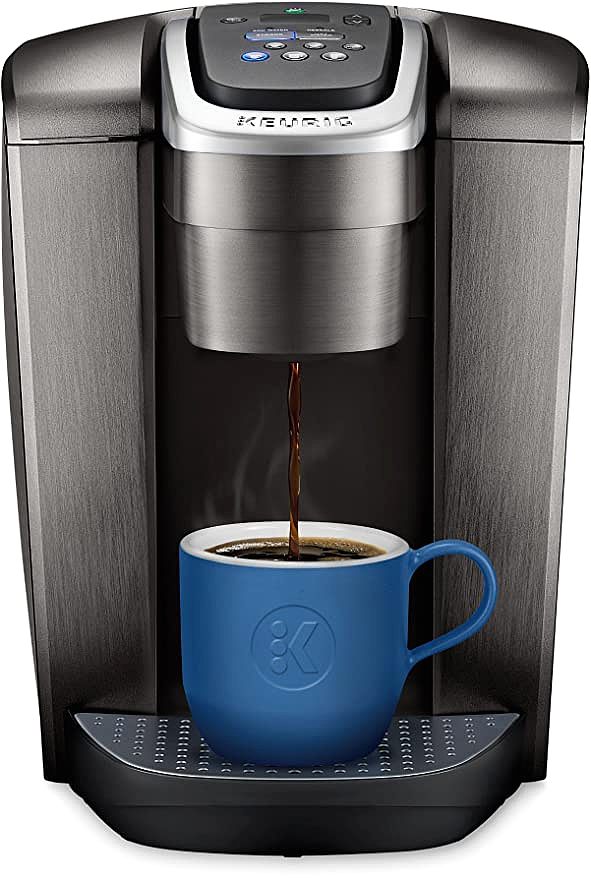
Keurig K-Elite Single-Serve K-Cup Pod Coffee Maker: Mastering Coffee Science at Home
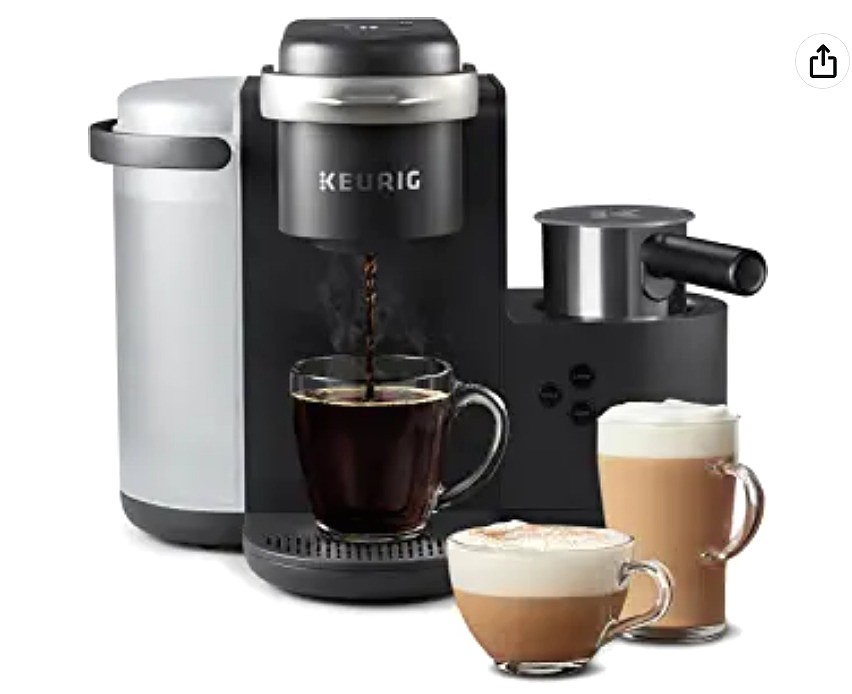
Keurig K-Café Single Serve Coffee, Latte & Cappuccino Maker: Home Brew Science Simplified
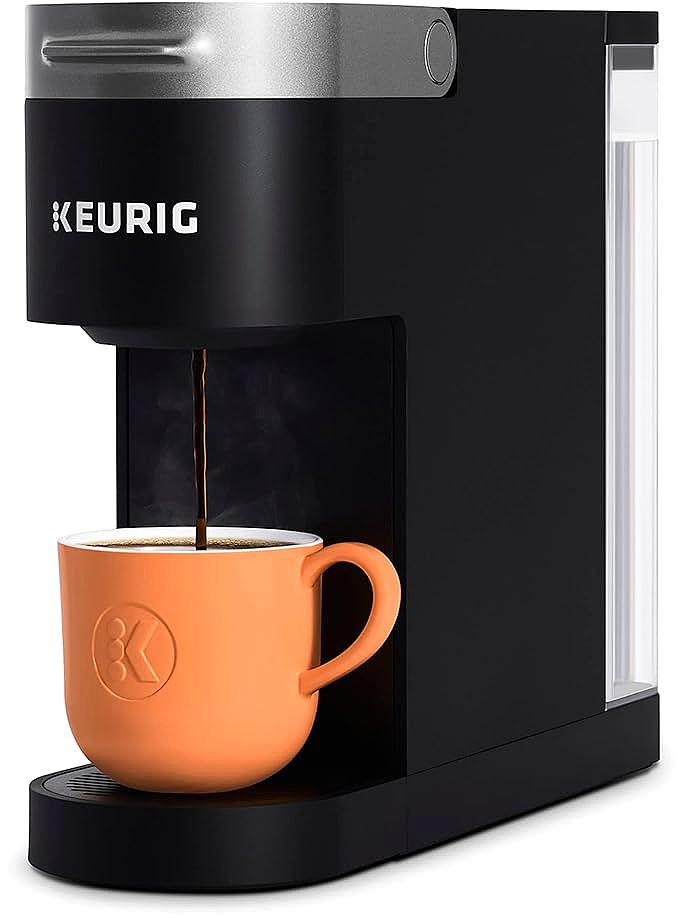
Keurig K-Slim: Unlocking Richer Flavor with MultiStream Technology
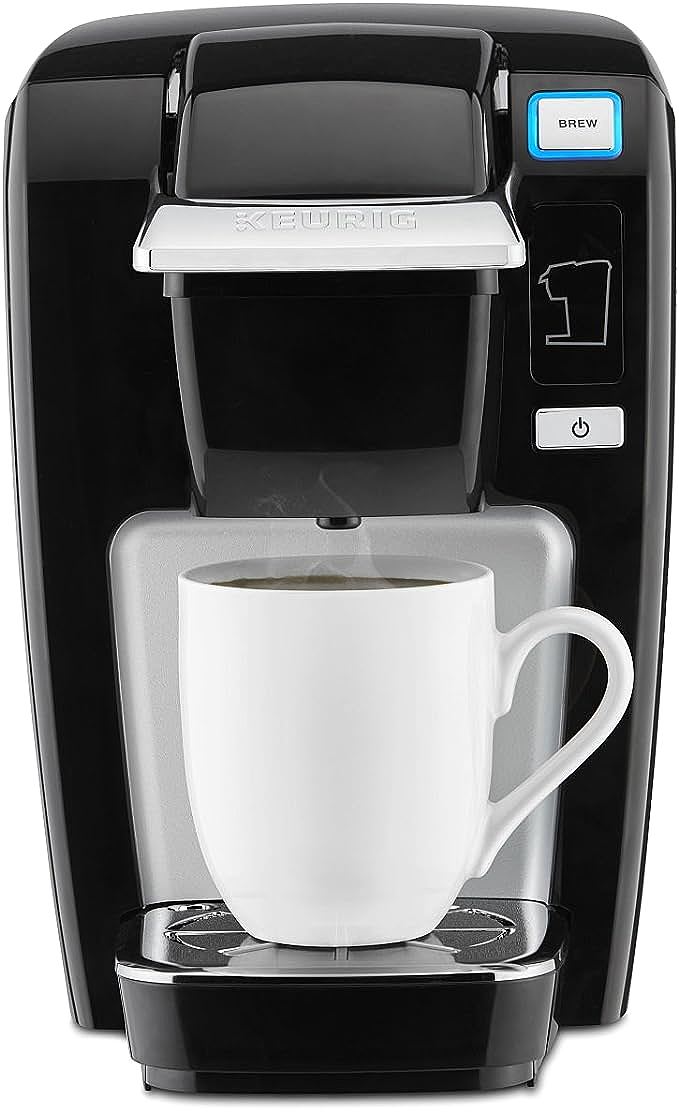
Keurig K15: Brewing Science in a Single Serve
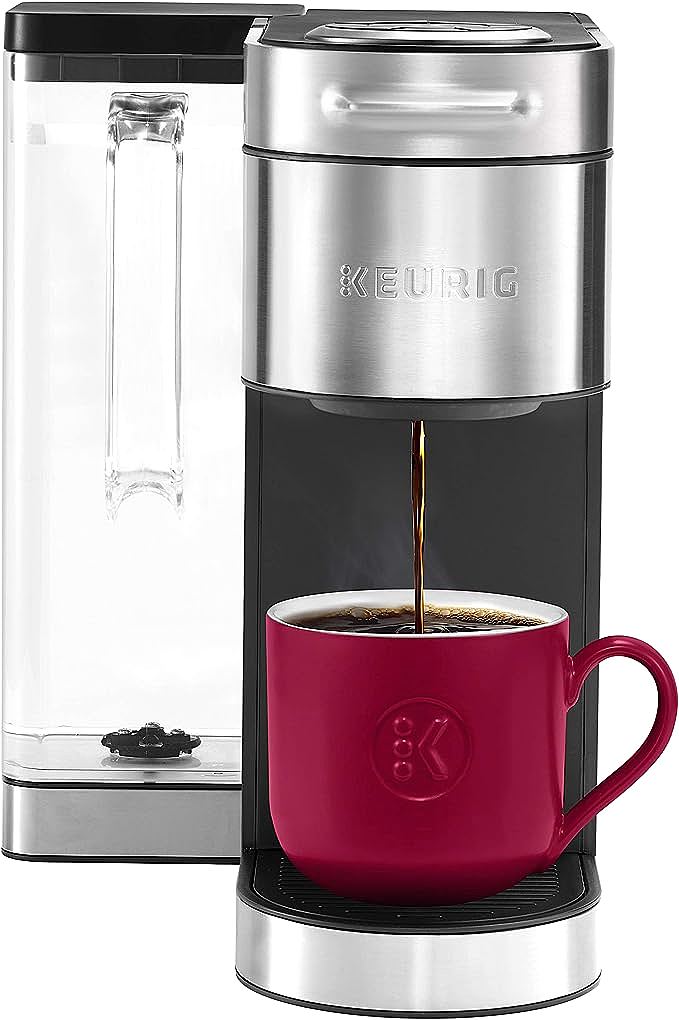
Keurig K-Supreme Plus: Brewing Better Coffee with MultiStream Technology
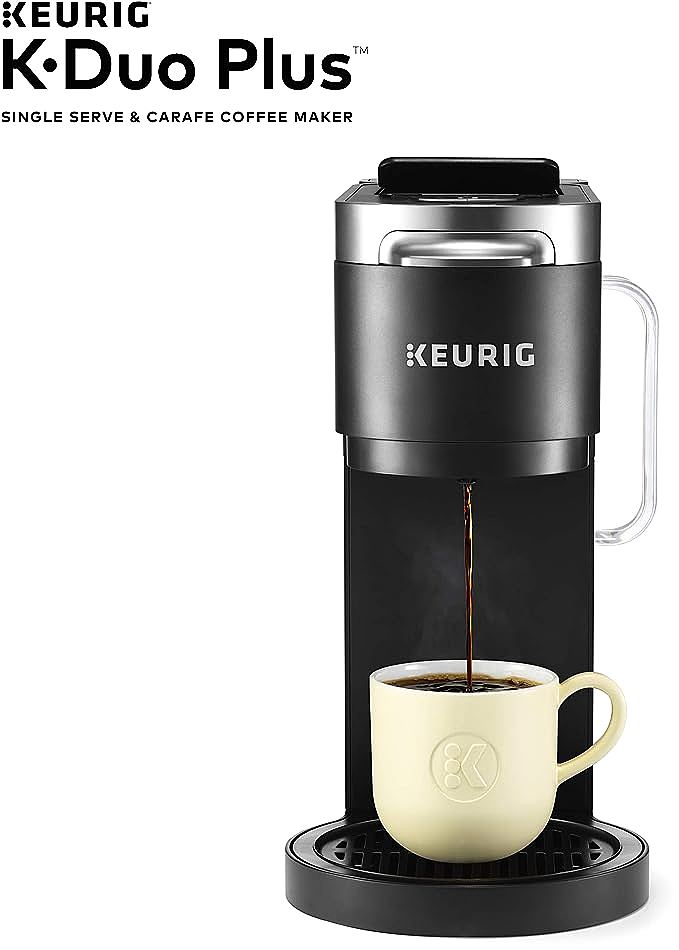
Keurig K-Duo Plus: Brewing Single Serve & Carafe Coffee Made Easy
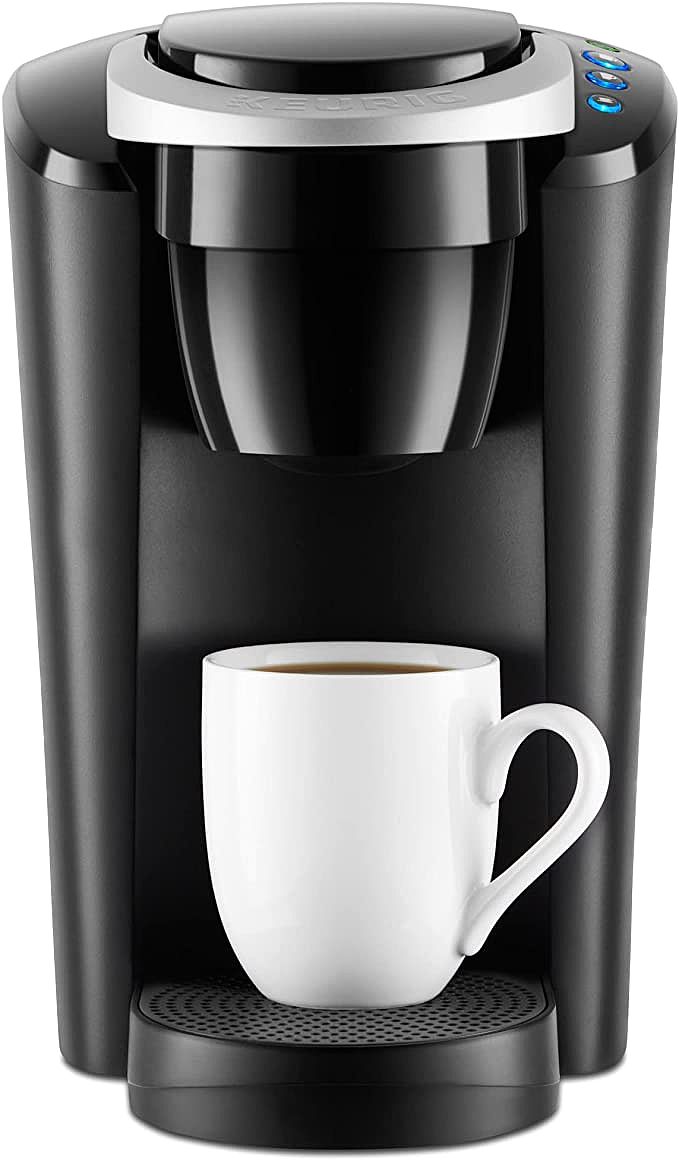
Keurig K-Compact Coffee Maker: Perfect Brew for Small Spaces
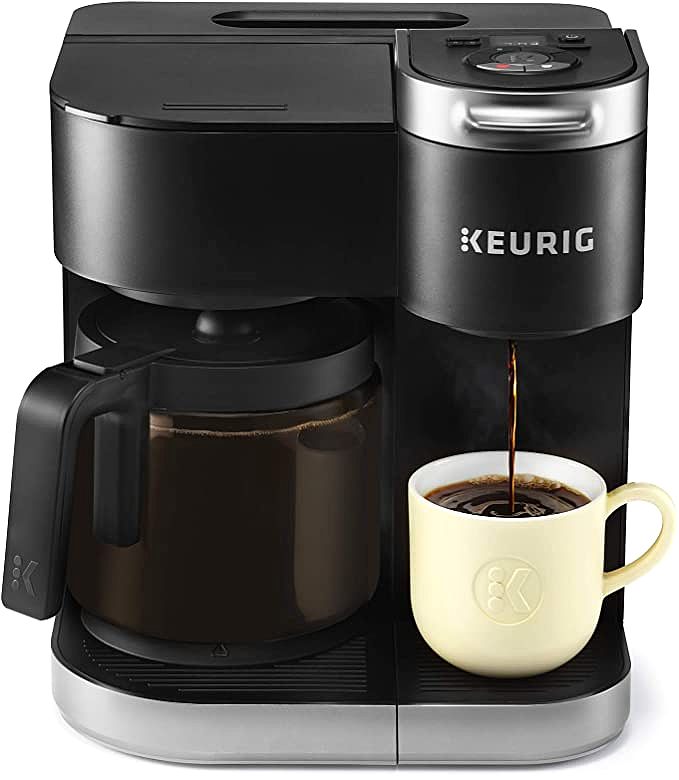
Keurig K-Duo Coffee Maker: Brew Single Serve & Carafe Coffee with Ease
