The Chaos of Extraction: Engineering Consistency in Espresso Brewing

De'Longhi EC9455M La Specialista Touch Espresso Machine
Espresso is widely considered the most difficult brew method to master. Unlike drip coffee, which is forgiving, espresso is high-energy, high-pressure, and high-speed. It operates on the knife-edge of physics. A change in humidity, a slight deviation in tamping pressure, or a 1-degree fluctuation in temperature can ruin the shot. It is a chaotic system governed by fluid dynamics and organic chemistry.
For the home barista, the challenge has always been variable management. How do you control four independent variables—Grind, Dose, Temperature, and Pressure—simultaneously? Historically, this required years of practice. Today, machines like the De'Longhi La Specialista Touch act as algorithmic co-pilots, using sensor fusion and mechanical precision to tame the chaos. To understand how they work, we must first understand the physics of the variables they control.
The Foundation: Grind Mechanics and Surface Area
Everything begins with the grind. Espresso requires a fine grind to create enough hydraulic resistance for the 9 bars of water pressure. If the grind is too coarse, water gushes through (under-extraction: sour). If too fine, water chokes (over-extraction: bitter).
But it's not just about size; it's about Particle Size Distribution (PSD). Conical burrs, like those found in the integrated grinder of the La Specialista Touch, naturally produce a "bimodal" distribution.
1. Main Peak: The bulk of the grounds, which provide the primary structure.
2. Fines Peak: Microscopic particles that migrate to the bottom of the puck.
These "fines" are crucial. They clog the microscopic gaps between the larger particles, restricting flow and allowing pressure to build. This resistance is what creates the emulsification of oils, leading to the rich body and crema characteristic of espresso. The machine’s 15 grind settings allow the user to manipulate this resistance curve precisely, tuning the flow rate to match the bean’s density.

The Physics of Tamping: Denisty and Channeling
Once ground, the coffee creates a loose pile. For extraction to occur evenly, this pile must be transformed into a solid cake of uniform density. This is tamping.
The enemy of tamping is Channeling. According to the path of least resistance, high-pressure water will always find the weak spot in the puck. If the tamp is uneven (tilted), water rushes through the lower side, extracting the bitter tannins there while leaving the high side dry and sour. * Mechanical Consistency: The Smart Tamping Station on the La Specialista addresses this human error. It uses a lever system to apply a consistent force perpendicular to the basket. * The Physics: By fixing the angle and pressure mechanically, the machine ensures that the hydraulic resistance is uniform across the entire surface area of the puck. This forces the water to permeate every particle evenly, adhering to Darcy's Law of flow through porous media.
BeanAdapt: Algorithmic Extraction
Different roast levels require different extraction parameters. * Light Roasts: Dense, hard structure. High acidity. Hard to extract. They need higher temperatures (to increase solubility) and finer grinds. * Dark Roasts: Porous, brittle structure. Low acidity. Easy to extract. They need lower temperatures (to prevent scorching) and coarser grinds.
In the past, understanding this required a barista's intuition. BeanAdapt Technology digitizes this intuition. It is an algorithm that correlates roast level with extraction parameters. When the user inputs "Dark Roast," the machine adjusts the PID controller to lower the water temperature and suggests a coarser grind setting. It is essentially a look-up table based on coffee chemistry, ensuring that the thermal energy applied matches the solubility of the bean.
Active Temperature Control: Stability is Key
Espresso extraction happens at around 93°C (200°F). Stability is more important than precision. If the temperature drops during the 30-second shot, the extraction profile warps. * Initial Phase: Acids and fruit notes extract (needs heat). * Middle Phase: Sugars and caramel notes extract. * Late Phase: Bitterness and heavy oils extract.
A thermoblock system with Active Temperature Control maintains thermal stability throughout the shot. By rapidly pulsing the heating element based on real-time sensor feedback, it ensures that the water hitting the puck remains constant, preserving the integrity of the flavor profile designed by the BeanAdapt algorithm.
Conclusion: The Democratization of Physics
Making espresso is an engineering problem. It is about pushing a solvent through a resistor at a specific temperature and pressure.
Machines like the De'Longhi La Specialista Touch do not remove the human element; they augment it. By mechanizing the variables that require extreme physical consistency (tamping) and digitizing the variables that require chemical knowledge (temperature/grind matching), they allow the home user to focus on the result: the taste. It is the democratization of espresso physics, turning a chaotic process into a repeatable science.
De'Longhi EC9455M La Specialista Touch Espresso Machine
Related Essays

The Physics of Extraction: Redefining the Standard of Home Espresso through Pressure and Precision
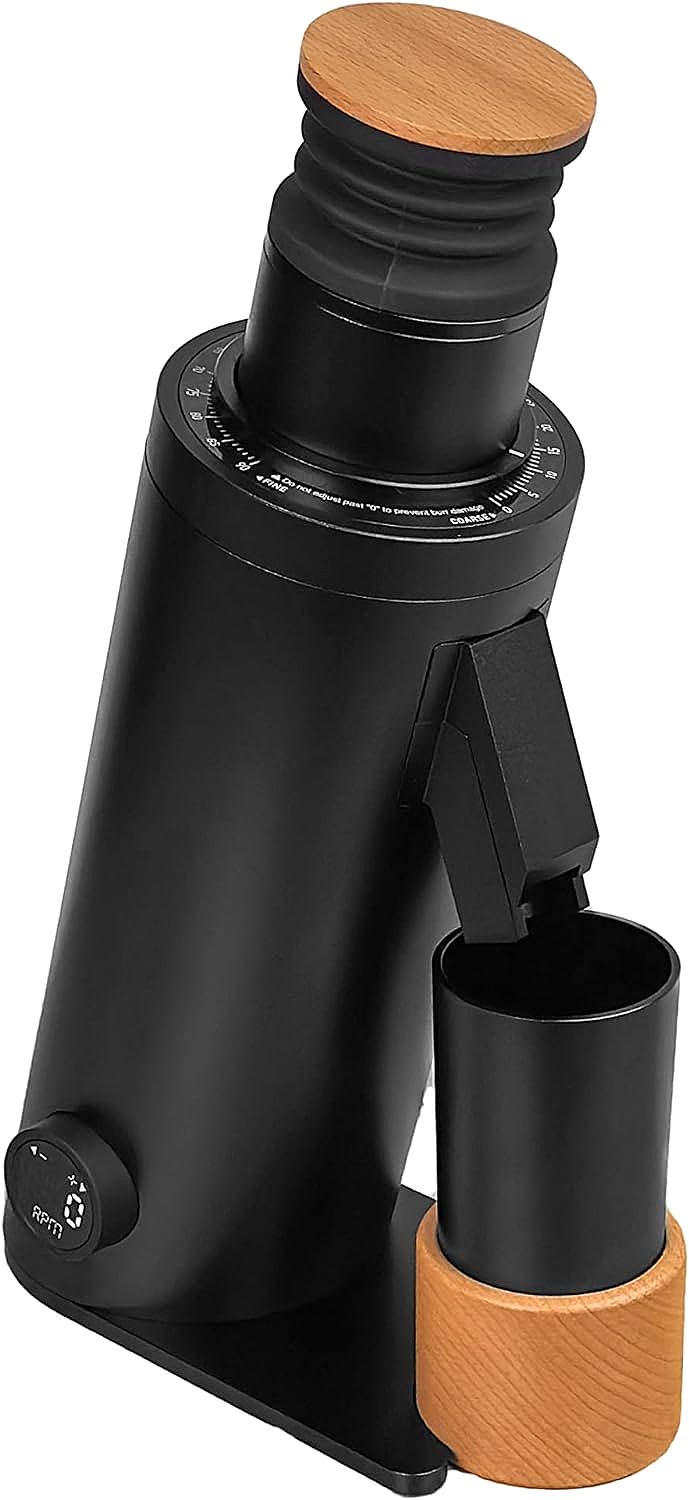
The Mechanics of Flavor: Variable Speed Grinding and the Pursuit of Particle Perfection
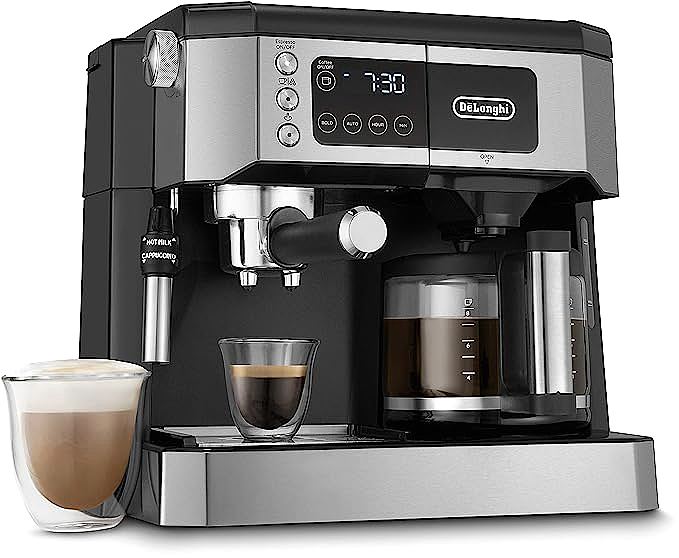
The Physics of the Pull: Pressure, Resistance, and the Engineering of Espresso
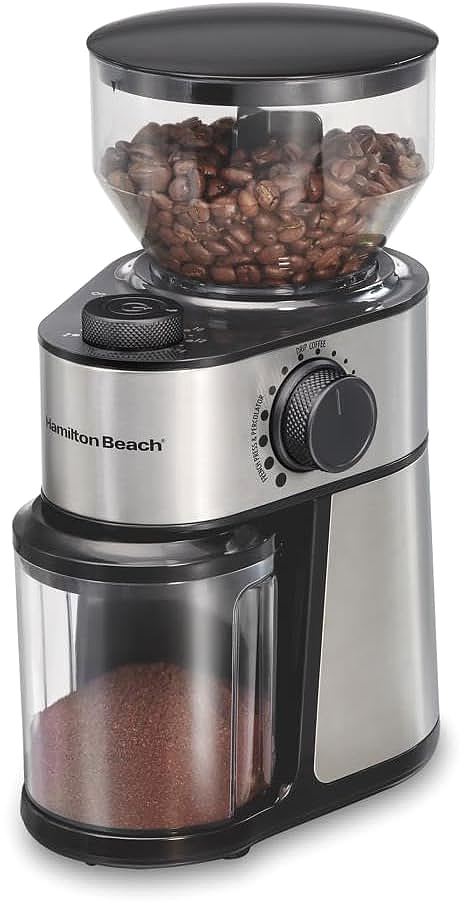
Hamilton Beach 80385 Electric Burr Coffee Grinder: Unlock the Secret of Coffee Flavor
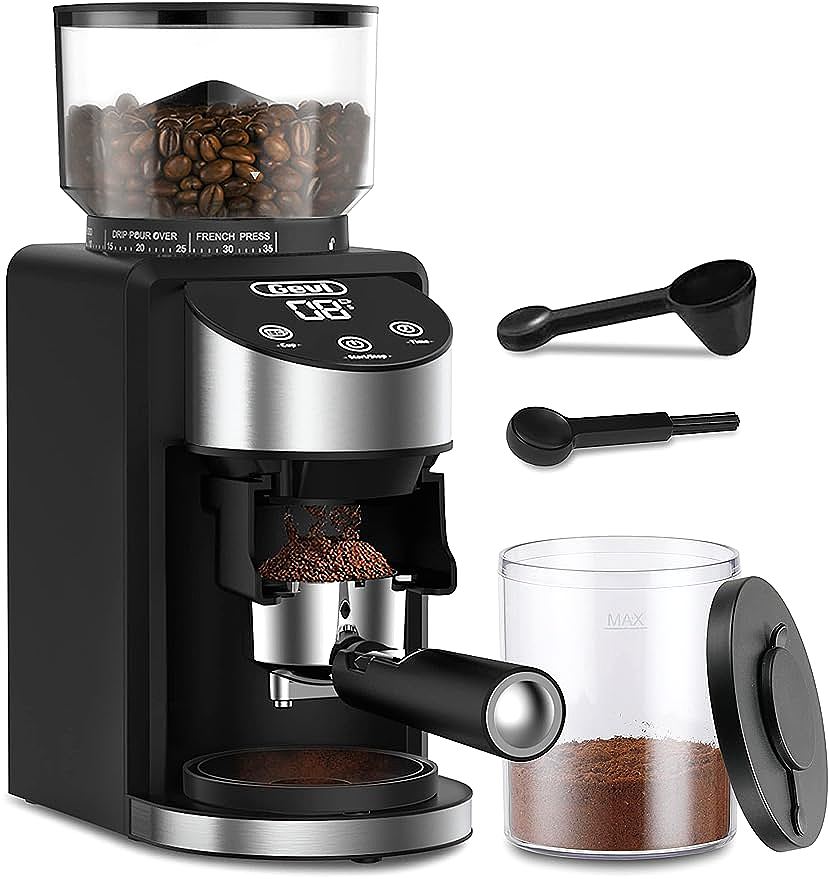
The Alchemy of the Grind: A Deep Dive into Burr Grinders and Coffee Flavor

Bodum Bistro Burr Coffee Grinder: Unlock the Aroma of Freshly Ground Coffee
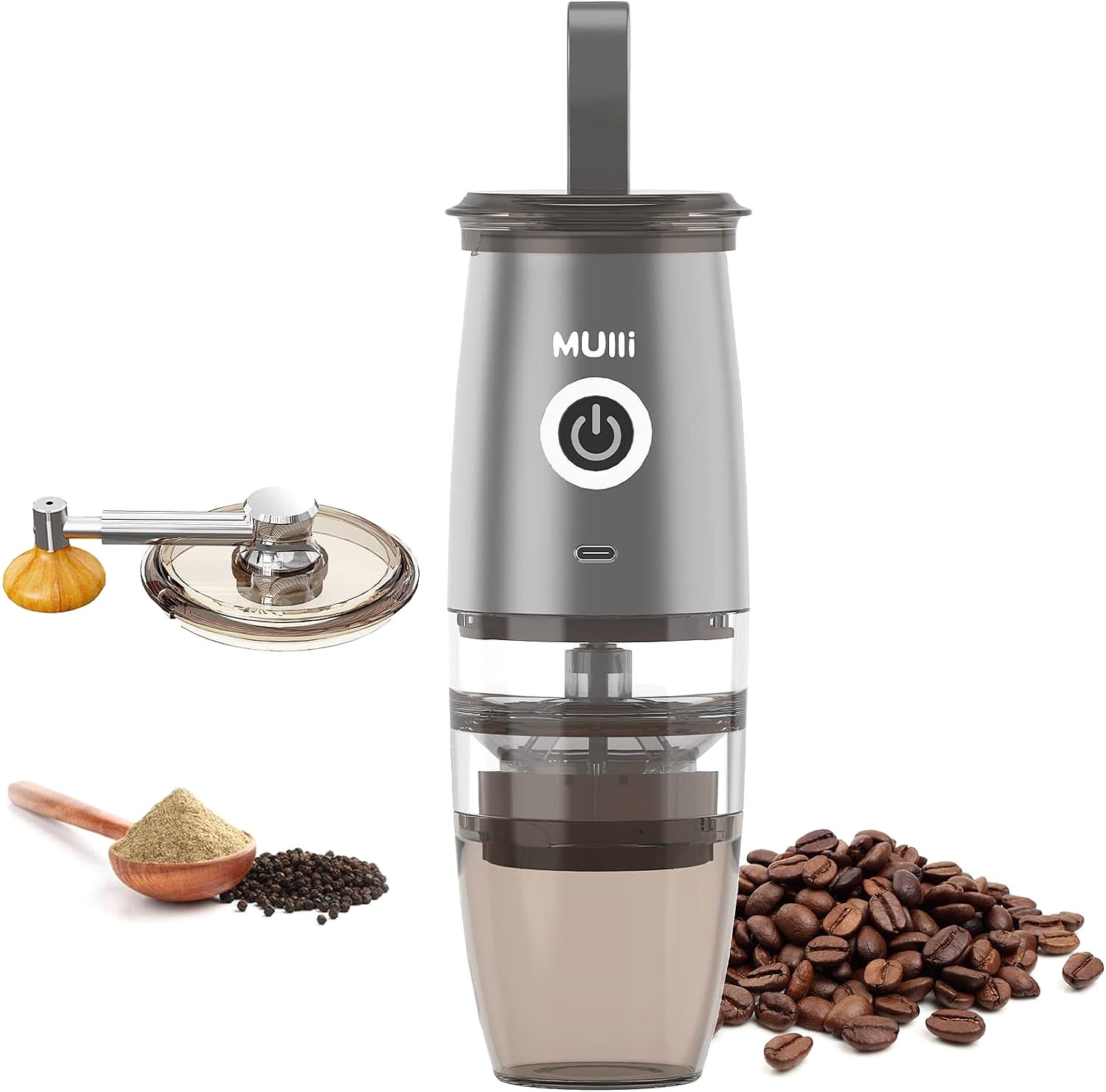
Mulli KF-YM-01: Your Portable, Adjustable Burr Coffee Grinder for Perfect Coffee Anywhere
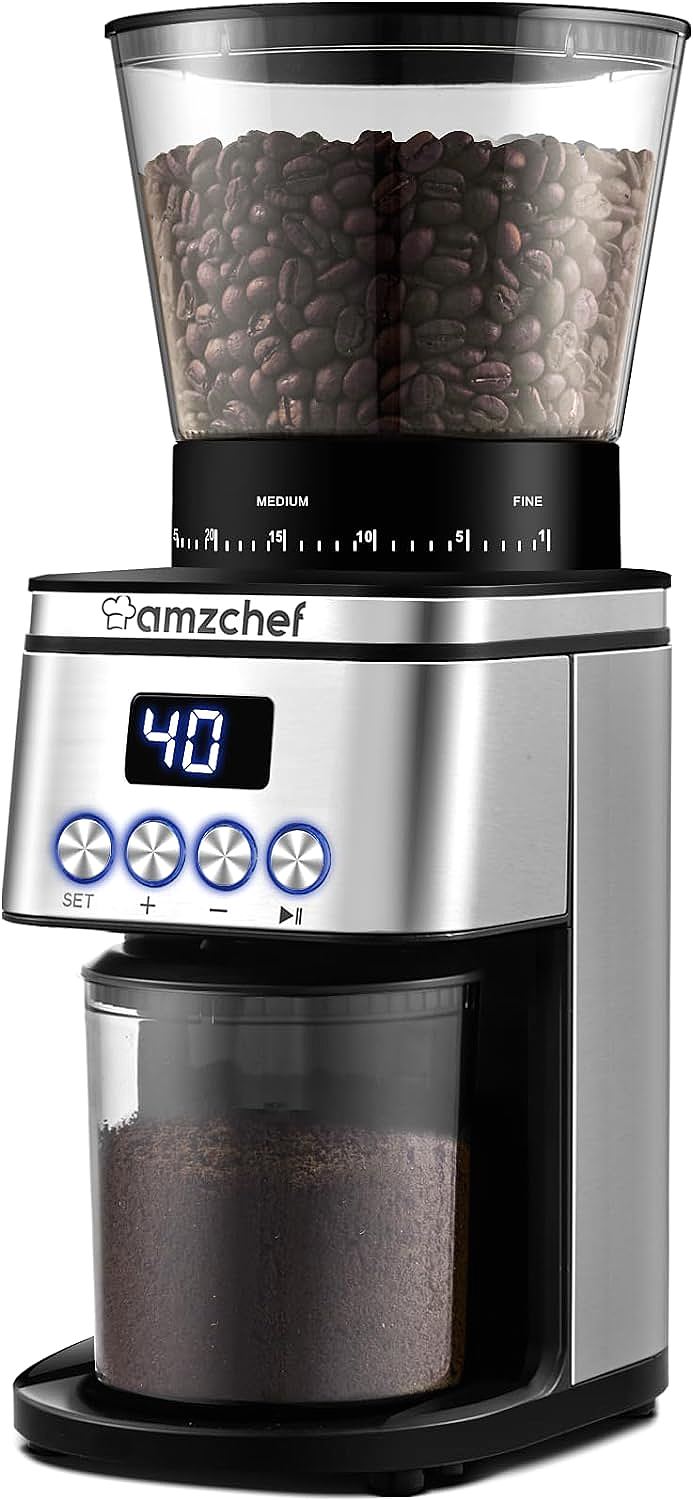
AMZCHEF AZ-BG709S-SV Burr Coffee Grinder: Unlock the Science of Freshly Ground Coffee
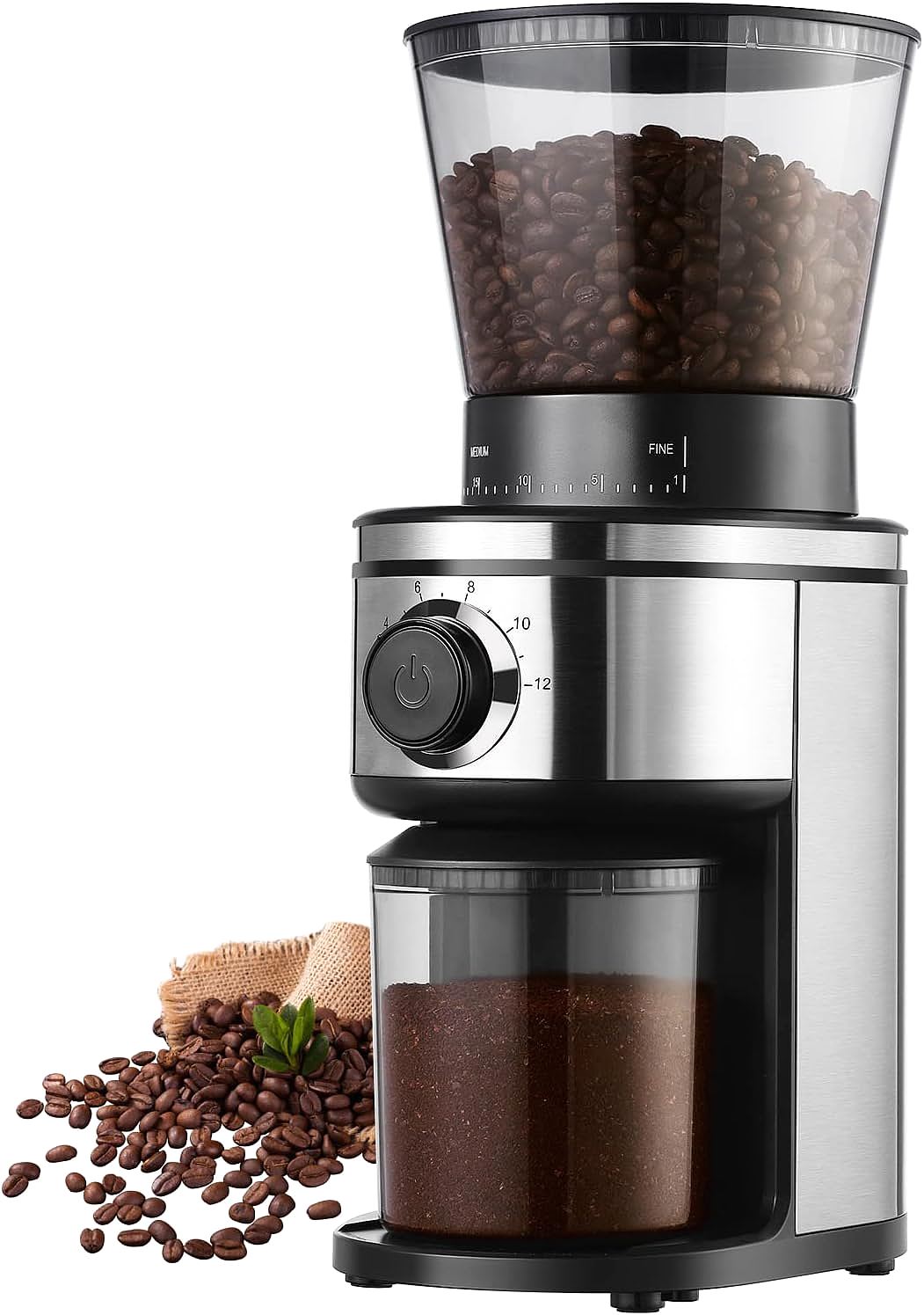
Ollygrin BG702S Coffee Bean Burr Mill Grinder: Your Key to Freshly Ground Perfection
