Espresso Dark Roast Coffee Extraction Profile: A Technical Deep Dive

Cafe La Llave Espresso Dark Roast Coffee
Every coffee bean carries within its cellular structure a map of how it will behave when water, heat, and pressure are applied. For dark roasts, that map is drawn in bolder lines than for any other roast level. The compounds are more accessible, the margins for error are narrower, and the visual and sensory feedback arrives faster. Understanding the variables that shape an dark roast coffee extraction is not about memorizing a recipe. It is about learning to read what the coffee tells you as it flows from the portafilter, and adjusting in real time based on principles that hold across different machines, different water sources, and different batches of beans.
Why Roast Level Dictates Extraction Behavior
When a green coffee bean enters the roasting drum, its internal structure begins a transformation that determines how easily water will later carry soluble compounds out of it. Light roasts retain more of the bean's original cellulose scaffolding. The cell walls remain largely intact, and the bean resists fracturing during grinding. Dark roasts, by contrast, have been pushed past second crack, where the cell walls fracture under thermal stress and the bean becomes porous and brittle. This physical difference is the root cause behind why an dark roast coffee extraction looks nothing like what you would see with a medium or light roast.
A coffee like Cafe La Llave Espresso, with its dark, oily surface and fine grind, demonstrates these principles in a cup. The porosity of a dark-roasted bean means that water penetrates the grounds faster than it does with denser, lighter-roasted particles. Volatile aromatic oils migrate to the surface during extended roasting, giving the bean an oily sheen visible to the naked eye. These surface oils carry intense flavor compounds that hit the palate immediately upon contact with hot water. They also make the ground coffee more prone to clumping and uneven wetting during the pre-infusion stage. Baristas who work exclusively with light roasts and then switch to a dark roast often find their usual grind setting produces a gusher, because the water simply races through the more open structure of the dark-roasted particles without encountering the resistance they are accustomed to.
Roast degree also determines which soluble compounds are available for extraction in the first place. During roasting, the Maillard reaction and caramelization break down complex carbohydrates into simpler sugars, some of which continue degrading into bitter-tasting melanoidins as the roast darkens. A dark roast has already given up most of its chlorogenic acids, which decompose into quinic and caffeic acids that contribute to perceived bitterness. This means the window of desirable extraction for a dark roast is narrower than for a light roast. Pull too short and the shot tastes hollow and ashy. Pull too long and the bitterness becomes overwhelming. Understanding this narrow window and learning to keep every shot centered within it is the central challenge that defines an dark roast coffee extraction. Every variable that follows, from grind size to water temperature to the length of pre-infusion, is about hitting that narrow target with consistency.
The Physical Structure of a Dark-Roasted Bean
Under a microscope, a green coffee bean shows dense, intact cell walls packed with oils, proteins, and carbohydrates suspended in a rigid matrix. The structure resembles a tightly sealed honeycomb, with each cavity storing its contents behind strong walls. After a dark roast, that same bean looks like a honeycomb that has been partially collapsed by heat. The cellulose structure has been weakened by thermal degradation to the point where the walls separating individual cells are riddled with microscopic fractures. Carbon dioxide, created as a byproduct of the Maillard reaction and Strecker degradation, builds up inside these porous cavities. Some of this gas escapes during roasting, but a significant amount remains trapped inside the cellular structure, slowly releasing over the days and weeks after the beans leave the cooling tray.
This internal architecture has direct and measurable consequences for grinding. A dark-roasted bean shatters more readily under the burrs, producing a wider distribution of particle sizes at any given grind setting. More fines are generated, and these microscopic particles migrate during the brewing process, filling the gaps between larger particles and creating resistance to water flow. The result is a somewhat paradoxical situation. The large particles of a dark roast are more porous and allow faster water penetration, but the excessive fines can clog the puck and slow down the overall flow rate. Balancing these opposing forces is what makes an dark roast coffee extraction distinct from that of lighter roasts, where the particle distribution tends to be more uniform and fines play a less dominant role in determining flow resistance.
The oil content of dark-roasted beans also influences extraction mechanics in ways that are not immediately obvious. Oils are hydrophobic, meaning they resist wetting by water. When a shot starts and water hits the puck, the oils coating the dark-roasted grounds can initially repel the water, causing uneven saturation across the surface of the puck. This is why a longer pre-infusion phase, where water sits on the puck at low pressure before the full nine bars kick in, often yields better results with dark roasts than an immediate ramp to full pressure. The pre-infusion gives water time to penetrate the oily surface layer and begin dissolving the soluble compounds that sit beneath it. Without this step, the water finds the path of least resistance through the least oily regions of the puck, leaving large sections of the coffee bed under-extracted.
Grind Size, Surface Area, and Flow Resistance
Adjusting grind size is the primary tool that baristas use to control extraction, but dark roasts respond to grind changes differently than lighter roasts do. Because the beans are more brittle, a small adjustment on the grinder produces a larger shift in the particle size distribution than the same adjustment would with a denser, lighter-roasted bean. Moving the grind collar two notches finer might choke a light roast shot to a standstill. With a dark roast, the same two-notch change might only slow the shot by a few seconds, because the shattering of the brittle beans generates a range of particle sizes regardless of the nominal setting.
The concept of surface area is central to understanding any dark roast coffee extraction. A finer grind increases the total surface area of coffee exposed to water, which increases the rate at which soluble compounds dissolve into the brewing liquid. But with dark roasts, this relationship is modified by the presence of surface oils and the collapsed cellular structure. The oils can block water from reaching the internal surfaces of the particles, reducing the effective surface area available for extraction even though the geometric surface area, as calculated from particle size, suggests a high extraction potential. This is part of why dark roasts often extract to a lower percentage yield than light roasts at the same nominal grind setting, even though they contain less dense cellular material overall and should theoretically be easier to extract.
Particle shape also matters in ways that standard grind size measurements do not capture. The shattering pattern of a brittle dark roast produces more irregular, angular particles than the clean fracture planes seen in lighter roasts. These irregular shapes create a more tortuous path for water flowing through the puck, increasing contact time in some regions while creating low-resistance channels in others. This uneven flow is the mechanism behind the channeling that dark roast shots are notoriously prone to. A small crack or void in the puck becomes a preferential pathway, and the rest of the puck remains under-extracted. The resulting shot tastes simultaneously bitter from the over-extracted channel and sour from the under-extracted surrounding coffee. This is why the dark roast coffee extraction of even a properly dialed-in coffee can fall apart if the puck preparation is rushed or inconsistent.
Temperature Selection for Optimal Solubility
Water temperature is one of the most powerful variables in espresso brewing, and it affects dark roasts differently than it affects lighter roasts. Solubility increases with temperature for almost all coffee compounds, but the rate of increase is not uniform across compound classes. Sugars, organic acids, and bitter phenolic compounds each have their own solubility curves that respond differently to temperature changes. At higher temperatures, the bitter compounds dissolve much faster relative to the sweeter compounds, shifting the flavor balance decisively toward harshness and away from the sweetness that makes espresso pleasant to drink.
Cafe La Llave Espresso, like many dark roast coffees, benefits from lower brew water temperatures, typically in the range of 185 to 195 degrees Fahrenheit, compared to the 198 to 205 degree range commonly used for lighter roasts. The reasoning is grounded in basic chemistry. Dark roasts already have a higher proportion of readily soluble bitter compounds concentrated on the surface of the grounds, deposited there by the roasting process itself. Using high-temperature water dissolves these compounds almost instantly upon contact, and the resulting shot tastes acrid and burnt regardless of how carefully the other extraction parameters have been tuned. Lower temperatures slow down the dissolution of these bitter surface compounds, giving the sweeter, more balanced compounds located deeper inside the particles time to come into solution before the shot ends.
This temperature sensitivity is a defining characteristic of an dark roast coffee extraction. A dark roast pulled at 203 degrees Fahrenheit often tastes one-dimensional and harsh, with a burnt aftertaste that lingers unpleasantly. The same coffee pulled at 190 degrees can reveal chocolate, caramel, and roasted nut notes that were completely masked at the higher temperature. The difference between these two shots is not subtle. It is the difference between a shot that someone might describe as burnt and unpleasant, and one they might describe as rich, smooth, and balanced. The temperature variable alone can rescue a shot that would otherwise be undrinkable, or ruin a shot from excellent beans.
The thermal stability of the espresso machine matters especially for dark roasts because the acceptable temperature window is narrower than for other roast levels. A machine with poor thermal regulation might fluctuate by five or six degrees over the course of a single shot. With a light roast, that fluctuation might go unnoticed in the cup. With a dark roast, it can mean the difference between a balanced extraction and one dominated by harsh bitterness. This is why machines equipped with PID controllers, which maintain brew water temperature within a degree or two of the set point, have become increasingly common in settings where dark roast espresso is the primary offering. A stable temperature is one of the few variables that, when locked in correctly, makes every other aspect of an dark roast coffee extraction easier to control and reproduce.
Pressure Profiles Through the Brewing Cycle
Traditional espresso brewing applies a constant nine bars of pressure from start to finish. This approach works reasonably well across a range of coffee types, but it is not optimized for the specific demands of dark roasts. As the puck erodes and fines migrate downward during the shot, the resistance to flow decreases steadily. A constant pressure profile means that the flow rate accelerates as the shot progresses, and the later portion of the shot, which is already extracting mostly bitter and astringent compounds, extracts even faster than the earlier portion. The result is a shot where the finish is disproportionately harsh relative to the body and sweetness of the opening.
A declining pressure profile, where pressure starts high and gradually decreases over the course of the shot, can substantially improve an dark roast coffee extraction. By reducing the pressure in the later stages of extraction, the flow rate stays more consistent from start to finish, and the extraction of undesirable bitter compounds during the final phase is moderated. Many modern espresso machines offer programmable pressure profiling as a built-in feature, and even machines without this capability can approximate a declining profile by manually reducing pump pressure during the second half of the shot, though this requires attention and practice to execute consistently.
Another approach that has gained traction is a low-pressure pre-infusion followed by a gentle ramp to full extraction pressure. Pre-infusion at two to three bars saturates the puck without disturbing its internal structure. This is especially beneficial for dark roasts because of their oily surface characteristics and the elevated risk of channeling. When water hits the puck at full nine bars immediately, the force can physically break apart weakly held regions of the puck, creating the channels that lead to grossly uneven extraction. A slow pre-infusion wets the grounds gradually, allowing the coffee particles to swell and form a more cohesive, self-supporting mass before the full pressure of extraction arrives.
Slayer-style shots, which use an extended low-flow pre-brew phase before ramping to full pressure, are another technique that has shown promise with dark roast coffees. The prolonged low-flow period gives water time to penetrate the oily exterior of the grounds and begin dissolving internal compounds before the extraction pressure opens up the flow. The result of this approach is often a shot with more perceptible sweetness and body and less of the harsh, ashy character that can plague conventionally pulled dark roast espresso shots. The technique requires a machine capable of flow control rather than simple pressure control, but the improvement in cup quality can be substantial.
The Role of Degassing and Bean Age
Freshly roasted coffee releases carbon dioxide at a rate that depends on roast degree, bean density, and ambient storage conditions. Dark roasts degas faster than light roasts because their cellular structure is more porous and because the roasting process itself generates higher internal gas pressure, which accelerates the release of trapped gases once the beans are exposed to atmospheric pressure. A dark roast might lose half of its trapped carbon dioxide in the first forty-eight hours after roasting, while a light roast might take a week or more to reach the same point of degassing progress.
This rapid degassing means the optimal rest period for dark roast espresso is shorter than the rest period commonly recommended for lighter roasts. Many baristas find that dark roasts pull best between three and seven days after the roast date. Pulling a shot on day one, when the beans are still off-gassing heavily, leads to a puck that swells and contracts unpredictably as gas bubbles escape through the wet coffee bed, disrupting flow consistency and producing an dark roast coffee extraction that is erratic and difficult to reproduce from one shot to the next. Pulling the same coffee two weeks later, when most of the available gas has already been released, often yields a shot with noticeably less crema and a thinner body, though the flavor may still be pleasant if the coffee has been stored properly.
The visual indicator of proper rest is the behavior of the puck during the pre-infusion phase. Coffee that is too fresh will bubble and foam visibly as the water first contacts the grounds, indicating rapid and forceful carbon dioxide release that disrupts the formation of a stable extraction bed. Coffee that has rested adequately will wet evenly across the entire surface of the puck, with minimal visible bubbling, and the flow will start as a steady, controlled stream rather than a sputtering dribble. These visual cues are part of the sensory feedback loop that experienced baristas use to adjust their approach to each batch of coffee as it ages over the days and weeks following the roast date.
Visual Markers of a Proper Dark Roast Shot
The appearance of an espresso shot as it flows from the portafilter carries a surprising amount of diagnostic information for the barista who knows what to look for. For dark roasts, the visual cues are somewhat different from those associated with lighter roasts, and recognizing these differences is part of the skill set required to dial in an dark roast coffee extraction with speed and accuracy.
The first drops of liquid should appear within five to eight seconds of pump activation, assuming a pre-infusion phase of similar duration precedes the full pressure application. The color of these initial drips should be a dark, viscous brown, verging on black, before lightening as the flow rate increases and the stream consolidates into a single, centered pour. If the first drops are pale and watery, appearing almost immediately after the pump engages, the grind is too coarse or the puck has already developed a significant channel. If nothing appears for twelve or more seconds and then the coffee drips out reluctantly in sporadic bursts, the grind is too fine or the dose is too high for the current basket.
Once the stream forms, it should have the visual texture of warm honey, with visible stripes of darker and lighter brown that shift and undulate as the shot progresses. These stripes, sometimes described as tiger striping or mottling, indicate that fines are migrating through the puck in an organized way, creating micro-channels that are stable and self-regulating rather than destructive. A perfectly uniform stream of coffee without any visible striping or variation can actually be a warning sign of an overly coarse grind where water is passing through so fast that no meaningful micro-filtration is taking place, and the shot is likely to taste thin and under-developed.
The volume, color, and persistence of the crema also provide valuable feedback about the state of the extraction. Dark roasts produce more crema than light roasts at the same freshness level because they contain more trapped carbon dioxide and more emulsified oils, both of which are necessary for crema formation and stability. The crema on a properly pulled dark roast shot should be thick, persistent, and a shade of reddish-brown with a fine, even texture across the surface. Large, irregular bubbles or a crema that thins and dissipates within thirty seconds of the shot finishing suggest that the coffee is either too fresh and gassy, too old and depleted, or that the extraction was too fast, pulling more gas out of the grounds than the emulsion could stabilize.
Dose Weight and Brew Ratio Optimization
The brew ratio, defined as the weight of the espresso output divided by the weight of the dry coffee dose, is a fundamental parameter that sets both the extraction yield and the perceived strength of the finished shot. For dark roasts, the brew ratios that produce balanced, drinkable results tend to be shorter than those used for lighter roasts. A ratio of 1:1.5 to 1:2, meaning 18 grams of dry coffee yielding between 27 and 36 grams of liquid espresso, is the typical target range for an dark roast coffee extraction. Lighter roasts, by contrast, often benefit from longer ratios of 1:2.5 or even 1:3, which drive extraction further into the denser, less soluble bean structure to access additional sweetness and complexity.
The rationale for the shorter ratio with dark roasts is tied to the solubility patterns discussed earlier. The bitter-tasting phenolic compounds in a dark roast are concentrated on or near the surface of the grounds, deposited there during the roasting process, and they dissolve rapidly upon contact with hot water. A longer extraction, which pulls more total liquid through the puck, inevitably pulls more of these surface bitter compounds into the cup. Beyond a certain yield, the increase in bitterness outweighs any marginal gain in body or sweetness, and the overall quality of the shot begins to decline. Stopping the shot at a lower total yield preserves the balance of flavors that makes a dark roast enjoyable to drink.
Dose weight interacts with brew ratio in a way that is not linear and requires some experimentation to optimize. Increasing the dose while maintaining the same target ratio increases the strength and body of the shot without necessarily increasing the extraction yield, because a thicker puck provides more resistance and the water spends more total time in contact with the coffee bed. However, a thicker puck also increases the risk of channeling in the center of the basket, where the water's path through the coffee bed is longest and the puck is hardest to saturate evenly from top to bottom. For dark roasts, which are already more prone to channeling than lighter roasts, a moderate dose of 16 to 18 grams in a standard 58-millimeter basket is often the sweet spot. It provides enough puck resistance to generate good body and mouthfeel without creating excessive channeling risk that would undermine the evenness of the extraction.
Water Mineral Content and Extraction Chemistry
The mineral composition of brew water, often referred to as water chemistry, has a larger effect on the sensory outcome of espresso extraction than many home baristas realize. Two categories of minerals drive the process in different directions. Magnesium ions, which carry a double positive charge, are particularly efficient at binding to and extracting the flavor compounds in coffee, especially the acidic and fruity notes that contribute brightness and complexity. Calcium ions perform a similar function but are less chemically aggressive in their extraction behavior. On the other side of the equation, carbonate and bicarbonate ions act as buffers, neutralizing the acids that give coffee its liveliness and shifting the flavor balance toward a flatter, more muted character.
For dark roasts, water with moderate mineral content and moderate alkalinity tends to produce the best and most consistent results. The Specialty Coffee Association recommends a total hardness of 50 to 175 parts per million expressed as calcium carbonate, and an alkalinity in the range of 40 to 70 parts per million. Water that falls within these ranges will extract enough soluble material from the coffee to produce a full-bodied shot with recognizable flavor structure, without extracting so aggressively that harsh, astringent notes come to dominate the dark roast coffee extraction. The balance between adequate extraction and avoidance of over-extraction is particularly delicate with dark roasts because of the abundance of surface bitter compounds.
Water that is too hard, with high concentrations of dissolved calcium and magnesium, can over-extract a dark roast and produce a chalky, drying sensation on the palate that persists long after swallowing. Water that is too soft, such as distilled or reverse-osmosis water with no added mineral content, under-extracts the coffee and produces a flat, thin shot that lacks body, sweetness, and any recognizable flavor structure. The bottled spring waters that many people use for home espresso vary widely in their mineral content, and a water that produces excellent results with a light-roasted single-origin coffee might produce harsh, undrinkable results with a dark roast blend. Testing different water sources, or building water from scratch using distilled water and mineral additives, is one of the less obvious but highly effective ways to improve the extraction quality of a dark roast espresso.
Flavor Changes Across the Extraction Window
If you pull a sequence of shots from the same dark roast coffee, varying only the extraction time while holding all other parameters constant, a clear and repeatable pattern emerges in the cup. The first shot, pulled short at perhaps twenty seconds including pre-infusion, will taste intensely sour and saline, with a sharpness that hits the sides of the tongue immediately and then fades. These are the organic acids and mineral salts that dissolve first because they are the most water-soluble compounds in the coffee matrix. The body will be thin and watery, and the finish will be short, leaving little aftertaste.
The next shot in the sequence, pulled to a standard extraction time of twenty-five to thirty seconds, will taste balanced and structured. The initial sourness has faded and been replaced by a more even distribution of sweetness and bitterness, with neither dominating. The body will be fuller and more viscous because more of the coffee's oils and suspended solids have been emulsified into the liquid stream. This balanced middle range is the target for an dark roast coffee extraction, where the shot shows recognizable complexity with distinct flavor layers that unfold as the coffee cools in the cup.
The third shot in the sequence, pulled long at thirty-five seconds or beyond, will taste predominantly bitter and astringent. The sweetness that was present in the middle shot has been buried under an accumulation of phenolic compounds and tannins that are extracted only in the later stages of the brewing process. The body may still be full and satisfying in terms of mouthfeel, but the overall sensory experience is harsh and one-dimensional, dominated by a drying sensation that coats the tongue and lingers unpleasantly after swallowing.
This progression from sour to balanced to bitter defines the extraction window for a given coffee, and for dark roasts this window is narrower than it is for lighter roasts. The bitter compounds are more abundant from the start, and they are located closer to the surface of the grounds where they dissolve more readily. The barista's job is to hit the center of this window consistently, shot after shot, using every variable discussed in this article: grind size, water temperature, pressure profile, dose weight, brew ratio, and water chemistry. When all of these variables are aligned, the result is a shot that shows depth and balance. When even one of them is off, the shot falls into either sour under-extraction or bitter over-extraction.
Technique Adjustments That Prevent Channeling
Channeling is the most common defect in dark roast espresso preparation, and it is the mechanism behind many shots that should taste good based on their parameters but end up tasting uneven and disappointing. Channeling occurs when water finds a path of lower resistance through a particular region of the puck and concentrates its entire flow there, over-extracting the coffee along that narrow path while leaving the rest of the puck severely under-extracted. The result in the cup is a shot that tastes simultaneously bitter and sour, sometimes in the same sip, because different regions of the puck experienced dramatically different extraction conditions.
Distribution technique is the first and most important line of defense against channeling. The Weiss Distribution Technique, in which a thin needle or a purpose-made distribution tool is used to stir the grounds in the portafilter basket before tamping, breaks up the clumps that form naturally and distributes the grounds evenly across the entire basket surface. For dark roasts, whose surface oils make clumping significantly more severe than it is with lighter roasts, this distribution step is not optional. It is essential for achieving an even, reproducible extraction across multiple consecutive shots.
After the grounds have been properly distributed, the tamp must be applied level and with consistent force. A tilted tamp creates a puck of uneven thickness, and water will always flow preferentially toward the thinner side where the resistance is lower. The absolute amount of tamping pressure matters less than many people assume. Once the air between the coffee particles has been compressed out and the grounds are packed into a cohesive bed, additional downward force does not significantly change the puck's resistance to water flow. A tamp of roughly fifteen to twenty pounds of force, applied level and without any rocking motion, is sufficient for the vast majority of espresso preparations.
Some baristas also find that using a slightly coarser grind setting paired with a slightly higher dose helps reduce channeling in dark roasts. The coarser grind produces fewer fines during the grinding process, and it is the excess fines that are most responsible for clogging the pore spaces between larger particles and initiating the channel formation that degrades extraction evenness. The higher dose compensates for the increased flow rate that would otherwise result from the coarser grind, keeping the total shot time within the target range. This approach trades a small amount of theoretical extraction efficiency for a large improvement in shot-to-shot consistency, and for many dark roast coffees the trade is well worth making.
Clean equipment is another factor that is easy to overlook but has a measurable impact on extraction consistency. Residual water on the walls of the portafilter basket from a previous rinse can cause the edges of the puck to wet unevenly when the next shot starts, initiating edge channeling from the very first moment of pre-infusion. Wiping the basket completely dry with a clean towel before dosing takes only a few seconds and removes this variable from the equation entirely.
None of these technique adjustments operates in isolation. They form an interconnected system where distribution quality affects how the puck responds to tamping, tamping levelness affects how water flows through the distributed bed, and equipment cleanliness affects whether any of the foregoing matters at all. A barista who masters this system develops an intuitive sense of when a shot is going to channel before the pump even engages, based on the feel of the distribution, the resistance of the tamp, and the visual state of the portafilter. That intuition, built over hundreds or thousands of shots, is what separates consistent extraction from hit-or-miss results. Mastering the dark roast coffee extraction of a dark roast means developing this instinct, so that every variable can be adjusted before the shot even begins to flow.
Cafe La Llave Espresso Dark Roast Coffee
Related Essays
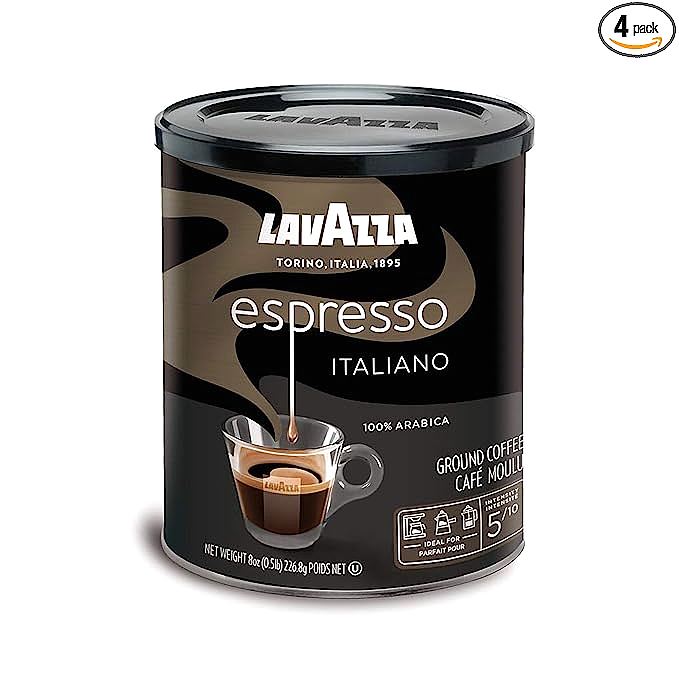
Lavazza Espresso Italiano: Authentic Italian Coffee for Your Daily Ritual
The Enigmatic Charm of the Moka Pot: Unveiling the Art of Stovetop Espresso

Sincreative CM9429 Single Serve Coffee Maker: Brewing Convenience and Flavor in
this coffee maker: Brewing Convenience and Flavor ...
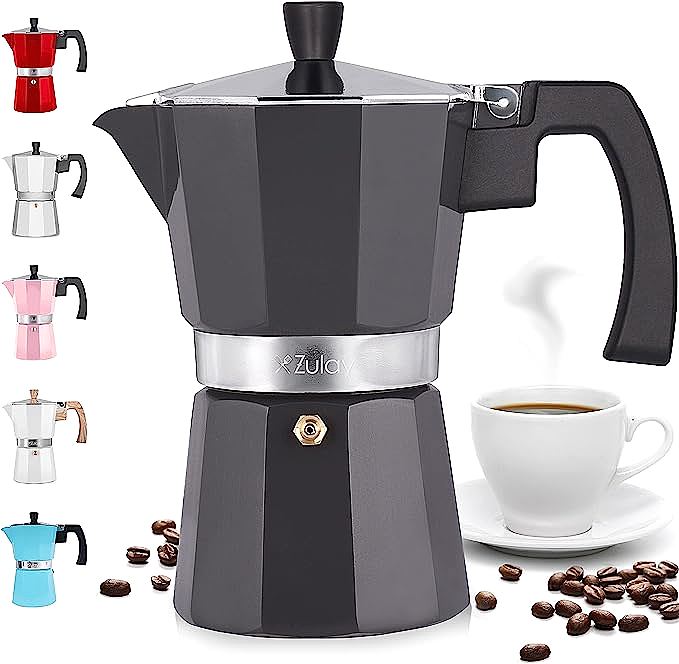
Zulay Classic Italian Style 5.5 Espresso Cup Moka Pot: Technical Guide
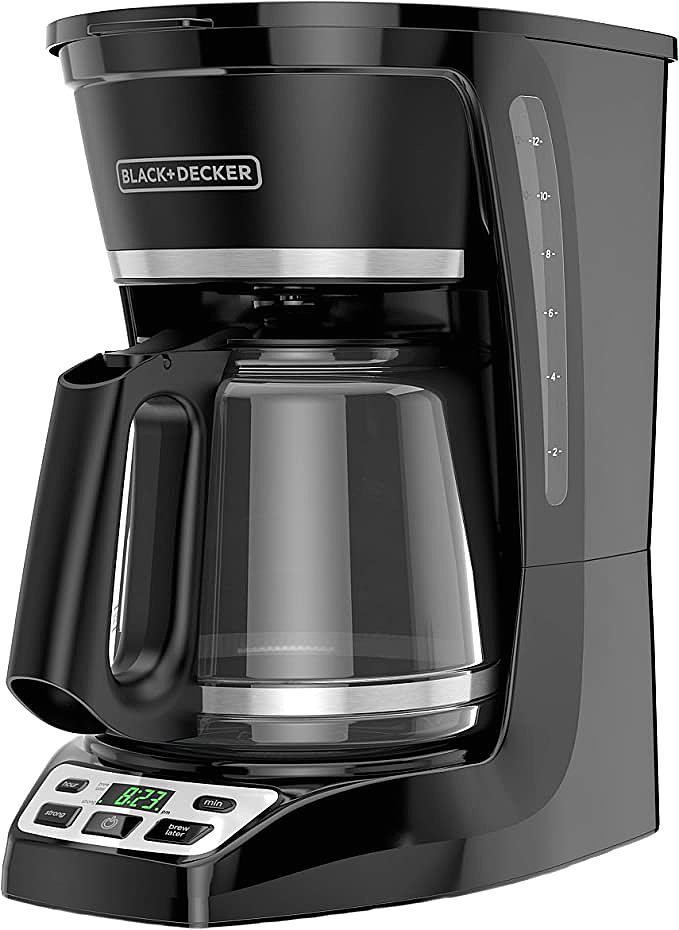
Why Your Coffee Tastes Bitter and Sour at the Same Time: The Channeling Problem Nobody Talks About
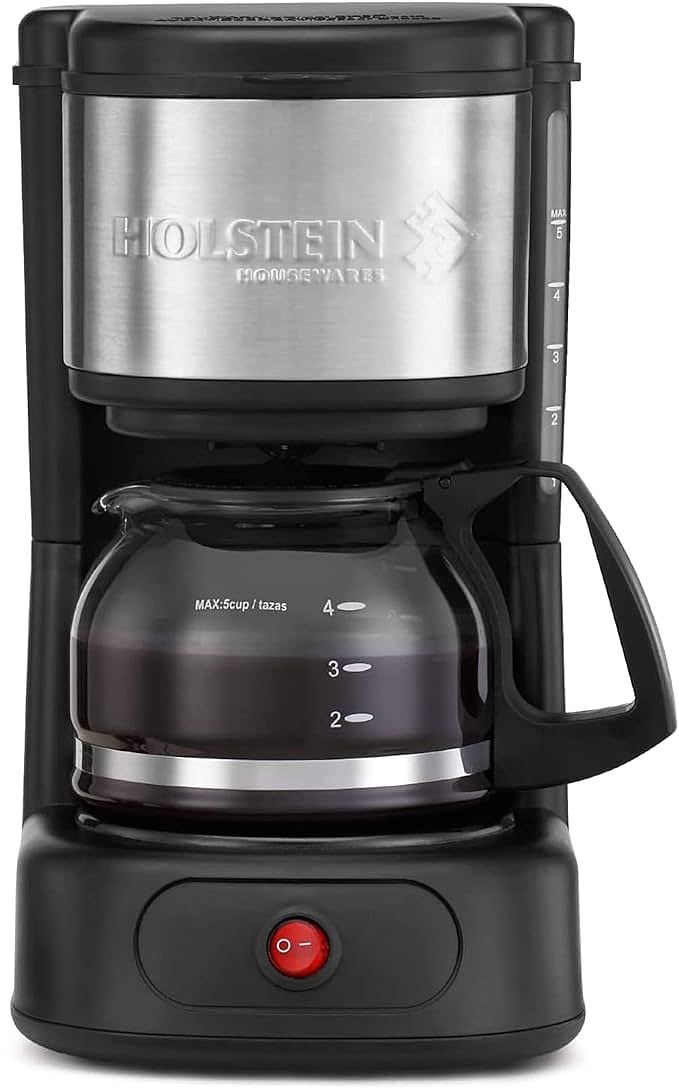
Engineering the Morning: The Fluid Dynamics of 5-Cup Drip Extraction

The Belgian Balance Siphon: Understanding the Physics, History, and Brewing Ritual
Instant Pod 3-in-1 Coffee Maker: Your Ultimate Guide to Espresso, K-Cups, and Ground Coffee
