The Durability Paradox: IPX7, Titanium, and the Charging Cable Trap


Panadia DG08B Bone Conduction Headphones
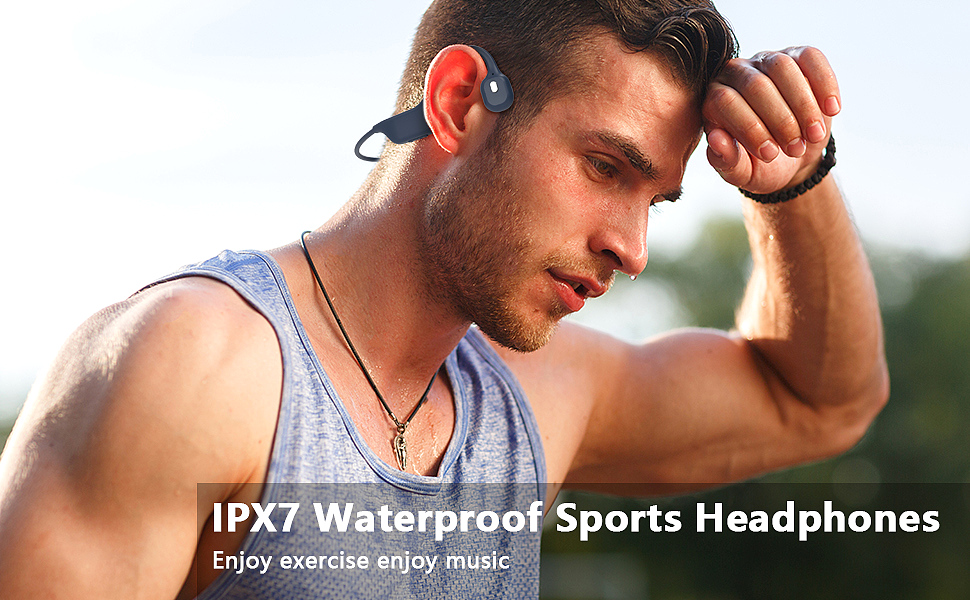
For a piece of gear designed to be soaked in sweat and battered by the elements, durability is paramount. The Panadia DG08B enters the arena with a Titanium alloy frame and an IPX7 waterproof rating, impressive specs for its sub-$50 price point. However, a forensic look at the construction reveals a mix of robust engineering and potential points of failure that users must navigate.

The Titanium Skeleton: Flexibility vs. Fatigue
The "memory titanium" headband is a standard feature in bone conduction headphones for a reason. Titanium alloys offer a high yield strength and a low modulus of elasticity, meaning they can be twisted and bent significantly and still return to their original shape (Thesis). * The Benefit: This flexibility provides the clamping force necessary to keep the transducers pressed against your cheekbones without the headache-inducing pressure of rigid plastic bands. It also survives being shoved into a gym bag. * The Weak Point: While the band is titanium, the housings for the battery and transducers are plastic. The junction where the metal enters the plastic is a classic stress concentration point. In cheaper manufacturing, repeated bending near this joint can lead to plastic fatigue or glue separation, potentially compromising the water seal (FMEA).
IPX7 vs. The Chemistry of Sweat
The IPX7 rating claims the device can survive submersion in 1 meter of water for 30 minutes. This is great for rain or rinsing off under the tap. However, IPX ratings are tested with fresh water.
Real-world usage involves sweat, which is corrosive. Sweat contains salts and lactic acid that can degrade rubber seals and, more critically, corrode metal contacts.
* The Electrochemical Failure: The DG08B uses exposed magnetic pins for charging. If you charge the device while these pins are still wet with sweat, a process called electrolysis occurs rapidly, eating away the gold plating and leading to connection failure (Physics).
* Maintenance Protocol: To make these headphones last, you must wipe the charging contacts dry and clean them with a damp cloth after every workout before attaching the charger. Neglecting this is the #1 cause of the "dead after a month" reviews.
The Proprietary Cable Liability
To achieve IPX7 at a low cost, Panadia opted for a proprietary magnetic charging connector instead of a USB-C port. USB-C ports require complex internal sealing to be truly waterproof, which drives up cost. A solid plastic shell with external pins is cheaper and easier to seal.
The Trade-off: This engineering decision creates a logistical vulnerability. The cable is unique. If you lose it, break it, or forget it on a trip, you cannot simply borrow a phone charger. You are dead in the water. For a budget device, finding a replacement cable can sometimes cost half the price of the headphones themselves (Challenge).
Physical Controls in a Touch World
One distinct ergonomic advantage of the DG08B is its use of physical buttons rather than touch controls. In a sweaty, active environment, touch sensors are notoriously unreliable (sweat triggers ghost touches). Physical buttons provide tactile feedback, allowing you to pause music or change volume with gloved hands or while wet, ensuring positive control when you're focused on your run.
In conclusion, the Panadia DG08B offers a robust chassis and high water resistance for the price, but it demands disciplined maintenance. It is a tool that requires you to respect the chemistry of corrosion and the logistics of proprietary accessories. Treat it right, and it's an incredible value; neglect the contacts, and it's disposable tech.
