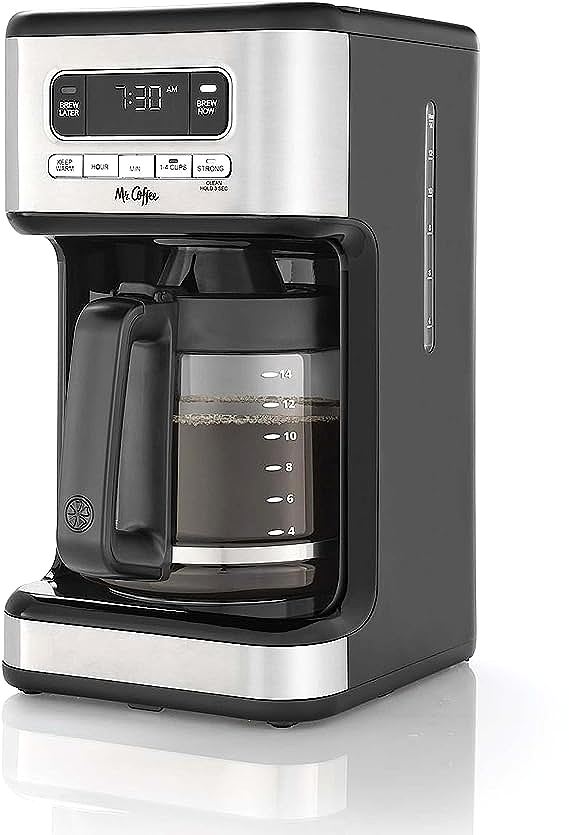
How a Programmable Drip Coffee Maker Thermal Carafe Delivers Better Coffee
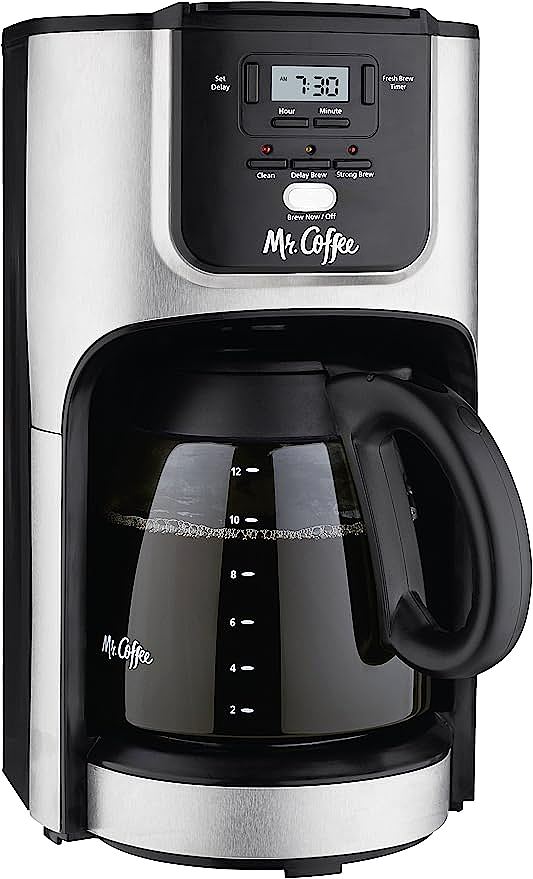
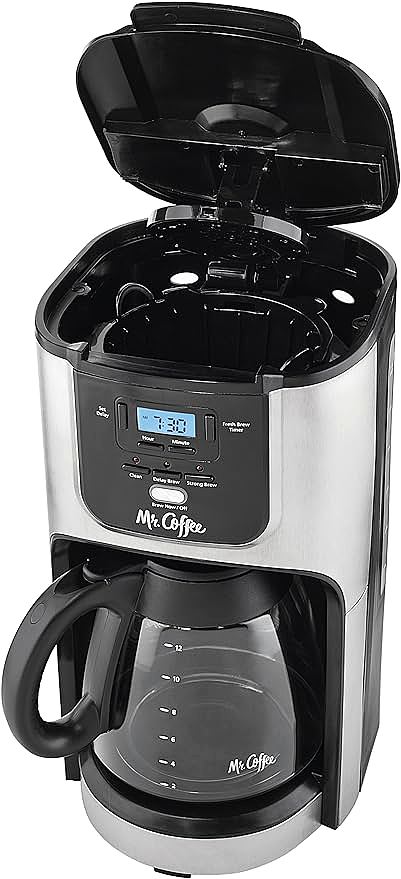
Mr. Coffee BVMC-JPX37 12-Cup Programmable Coffee Maker
The first cup of coffee in the morning is less about caffeine and more about ritual, and a well-designed programmable drip coffee maker delivers that ritual without drama. Water passes through a bed of ground beans, and in about six minutes, a clear brown liquid collects in the container below. What happens in those six minutes is not magic. It is a sequence of chemical and physical events that have been understood, measured, and engineered for decades. The variables include water temperature, contact time, grind particle distribution, mineral content in the water, and what happens to the coffee after it finishes brewing. The machine brings all of these variables under deliberate control, turning a passive process into one that can be tuned for repeatable results. When each variable is managed correctly, the difference between an average cup and a great one narrows to a matter of attention rather than luck. The gap between mediocre and excellent is whether time and temperature are managed with consistency rather than guesswork.
You can spend a great deal of money on coffee equipment and still get inconsistent cups from a programmable drip coffee maker if you do not understand which variables matter and how they interact. A machine that heats water to the right temperature but distributes it unevenly over the grounds will produce unbalanced extraction. A machine with perfect water distribution that runs on unfiltered, high-chlorine municipal water will produce off-flavors regardless of bean quality. Each variable in the brewing chain depends on the others, and a weak link anywhere produces a weak cup everywhere. This article walks through the science behind each step of the drip brewing process, from the moment cold water enters the reservoir to the final pour from the thermal carafe two hours later. The goal is to explain why specific engineering choices produce specific taste outcomes, so that the next time you program a brew cycle for 6:15 a.m., you know exactly what is happening inside the machine and why it matters.
The Chemistry of Coffee Extraction: What Happens When Water Meets Grounds
Coffee brewing is a solid-liquid extraction process. Hot water acts as a solvent, dissolving soluble compounds from roasted and ground coffee beans. Not all compounds dissolve at the same rate or at the same temperature. Acids come out first, followed by sugars and lipids, then bitter tannins and plant fibers toward the end. This sequence means that brew time is not just about strength. It is about which compounds end up in the cup and in what proportions.
The soluble portion of a roasted coffee bean represents roughly 28 to 30 percent of its mass by weight. But the target extraction yield for a balanced cup sits between 18 and 22 percent. Below 18 percent, the brew tastes sour and thin because not enough sugars and caramelized compounds have dissolved to balance the early-extracting acids. The mouthfeel is watery and the finish disappears almost immediately after swallowing. Above 22 percent, bitterness dominates as astringent polyphenols and tannins enter the solution, producing a drying sensation on the tongue and a harsh aftertaste that lingers unpleasantly. Every piece of brewing equipment, from a simple pour-over cone to a drip brewer with a thermal carafe, is designed to land within that narrow 18-to-22-percent window.
Water-to-coffee ratio also matters more than most people realize. The Specialty Coffee Association recommends 55 grams of coffee per liter of water, which translates to roughly one gram of coffee for every 16 to 18 grams of water. Deviation from this ratio changes not just strength but also the extraction dynamics because the concentration gradient between grounds and water shifts. When too little coffee is used for the amount of water, the water becomes more aggressive as a solvent because the concentration of dissolved solids remains low, pushing extraction into the over-extracted bitter zone even at normal brew times. When too much coffee is used, the opposite happens. The water saturates quickly with dissolved solids and stops extracting efficiently, leaving desirable compounds trapped in the grounds where they contribute nothing to the final cup. A programmable drip coffee maker that dispenses water at the correct ratio and temperature removes two of the largest sources of human error from the process.
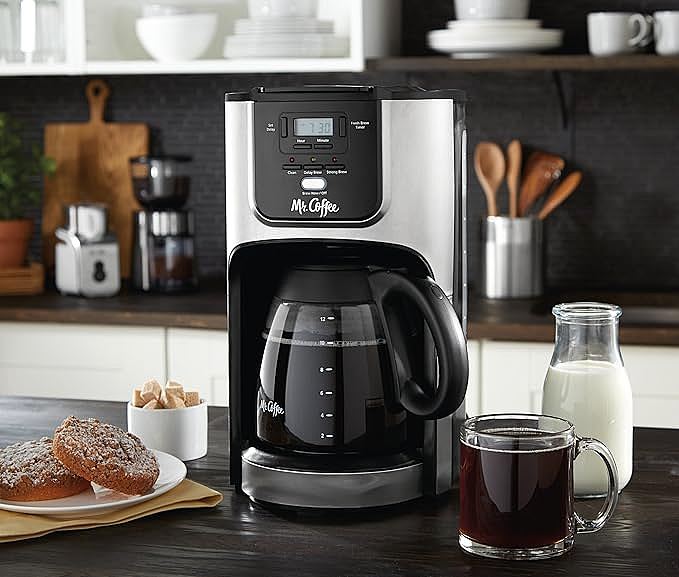
Water Temperature and the 195-to-205-Degree Window
Temperature is the variable that most directly controls extraction rate. Hotter water dissolves soluble compounds faster because the thermal energy accelerates molecular motion at the interface between water and coffee particle surfaces. But the relationship is not linear across the full temperature range. Below 195 degrees Fahrenheit, the thermal energy is insufficient to dissolve the desirable sugars and lipids that give coffee its body and sweetness. The result is a cup dominated by sharp, under-extracted acidity that tastes thin and one-dimensional. Above 205 degrees, the water begins pulling out bitter compounds that make the coffee taste harsh and burnt, even if the beans themselves were roasted to a medium profile. These compounds include chlorogenic acid lactones and other heat-degraded molecules that contribute a distinctly unpleasant sharpness.
Maintaining temperature inside the brewing chamber is harder than it sounds. Water loses heat to the air, to the plastic or metal components of the machine, and to the coffee grounds themselves, which start at room temperature. A well-engineered brewing system accounts for this heat loss by heating the water slightly above the target temperature before it reaches the spray head, so that by the time it hits the coffee bed, it falls within the 195-to-205-degree range. The temperature drop between the heating element exit and the coffee bed surface can be 5 to 15 degrees depending on ambient conditions, machine materials, and the thermal mass of the components in the water path. This thermal compensation is one of the defining engineering challenges in any programmable drip coffee maker, including every model with a thermal carafe on the market.
The heating element in a drip programmable drip coffee maker is typically an aluminum extrusion with a resistive heating coil running through it. Water passes through a narrow channel alongside this heated block, gaining thermal energy through conduction. The diameter of the channel, the wattage of the heating element, and the flow rate of the water all interact to determine the final brew temperature. Changing any one of these three parameters shifts the output. A wider channel gives the water more surface contact with the heated aluminum but also increases the volume that must be heated. A higher-wattage element heats faster but risks overshooting the target if the flow rate drops. The balance among these three variables explains why brew temperature can vary between different machines even when they use similar heating technology on paper.
Grind Size, Surface Area, and Extraction Rate
Grind size controls the total surface area exposed to water. Finer grinds have more surface area per gram and extract faster. Coarser grinds have less surface area and extract slower. For a given brew time and water temperature, the grind size determines whether the cup lands in the under-extracted, balanced, or over-extracted zone. This is why two people using the same machine with the same beans can get dramatically different results if one uses a blade grinder set to fine and the other uses a burr grinder on a coarse setting.
For drip brewing specifically, a medium grind works best. The grounds need to be fine enough that water does not rush through the bed in a matter of seconds, but coarse enough that water can flow through without pooling and clogging the filter. If the grind is too fine, the water stalls above the coffee bed, the contact time extends unpredictably, and the result is over-extraction with muddy sediment in the bottom of the cup. The fine particles can also migrate through the filter pores, creating a silty texture that many people find unpleasant. If the grind is too coarse, water channels through the bed along paths of least resistance, leaving some grounds untouched while others are over-extracted. Both problems produce uneven flavor, and neither can be fixed by adjusting other variables after the fact.
The grind consistency also matters more than the average particle size. A burr grinder produces particles of relatively uniform size, meaning all the grounds extract at roughly the same rate. A blade grinder produces a mixture of fine dust and large chunks. The dust over-extracts quickly, contributing bitterness, while the chunks under-extract, contributing sourness. The difference between these two grinders can be more noticeable than the difference between two brewing machines. The same machine paired with a consistent burr grind will outperform a more expensive model fed with poorly ground coffee every time.
How Programmable Timers Eliminate Morning Friction
Programmability in a drip programmable drip coffee maker serves a function that goes beyond convenience, though convenience is the obvious benefit. It eliminates a specific failure mode: the groggy, half-awake person who measures coffee grounds at 5:30 a.m., gets the ratio wrong, spills water on the counter, and starts the day with a mediocre cup. By shifting the preparation step to the evening before, when cognitive resources are higher and there is no time pressure, the timer function improves consistency indirectly. The grounds get measured carefully, the water gets filled to the right level, and the filter gets seated properly because there is no rush.
A delay brew timer works by holding the machine in a standby state. The clock circuit keeps time using a quartz oscillator, drawing minimal power from the wall outlet. When the clock matches the pre-set brew time, it closes a relay that sends current to the heating element and the water pump or one-way valve. From that point forward, the brew cycle proceeds exactly as it would if the user had pressed the start button manually. The only difference is the timing of the initial trigger. The rest of the thermodynamics, water distribution, and extraction physics proceed identically.
One practical consideration with delay brew is grounds freshness. Coffee grounds begin losing volatile aromatic compounds within minutes of grinding. Ground coffee left in the filter basket overnight will lose some of its peak aroma before brewing starts. The trade-off is real but often worth making because the consistency gain from evening preparation outweighs the modest aroma loss, especially for those whose mornings are compressed and stressful. A machine with a tight-sealing lid on the filter basket compartment helps minimize overnight staling by reducing air exposure and the rate of volatile compound evaporation.
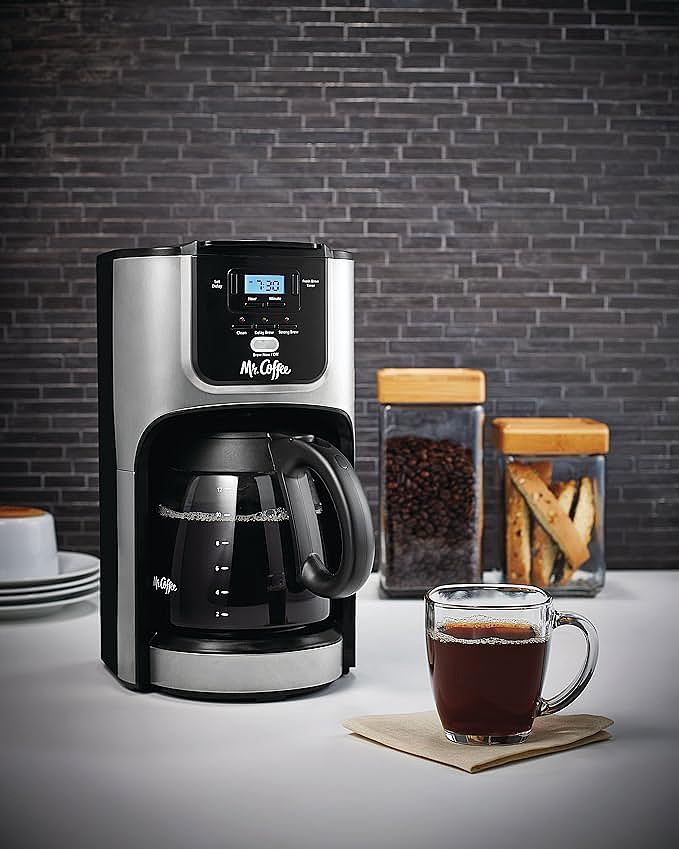
The Physics of Even Water Distribution Over Coffee Beds
When water first hits a bed of dry coffee grounds, it does not immediately soak through. The grounds release carbon dioxide gas trapped during roasting, creating a frothy bloom on the surface. If water is poured in a single stream onto one spot, that spot becomes saturated while the surrounding grounds remain dry. The water then finds the path of least resistance downward, creating channels through the bed. The grounds inside those channels get over-extracted. The grounds outside the channels barely get extracted at all. The resulting cup tastes simultaneously bitter and sour, a combination that no amount of cream or sugar can mask.
The solution is a shower head design that disperses water evenly across the entire surface of theprogrammable drip coffee maker In a drip machine, this is typically a plastic disc with multiple small holes arranged in a radial or grid pattern, positioned above the filter basket. Water enters from a single inlet at the top, spreads across the disc through internal channels, and exits through the holes as individual streams that cover a wide area. The goal is for every square centimeter of the coffee bed surface to receive roughly the same volume of water over the course of the brew cycle.
The engineering challenge is ensuring that every hole delivers water at the same rate. If the central holes receive more pressure than the outer holes, the center of the coffee bed gets more water than the edges, leading to uneven extraction. The internal channel geometry inside the shower head, the diameter of each hole, and the inlet water pressure all contribute to distribution uniformity. Some machines use a rotating shower arm, similar to a dishwasher sprayer, to achieve more even coverage through mechanical motion. Others rely on carefully tuned static hole patterns where the hole diameters increase toward the outer edgeprogrammable drip coffee makerte for pressure drop. A drip machine that does not distribute water evenly will produce cups that taste different from one brew to the next, even when all other variables are held constant.
Thermal Carafes vs. Hot Plates: Heat Retention Without Cooking
The container that receives the brewed coffee determines what happens to the coffee after brewing ends, and this post-brew phase has as much impact on taste as the brewing itself. A glass carafe sitting on a heated plate keeps coffee hot through conduction, with the heating element warming the glass from below. This works as a short-term solution, but it introduces a problem that compounds over time. Coffee sitting on a hot plate continues to cook. Over the course of 20 to 30 minutes, compounds in the coffee keep reacting, breaking down desirable aromatics and concentrating bitter notes through continued thermal degradation. The taste change is noticeable even within one hour, and by the 90-minute mark the coffee tastes distinctly different from a fresh pour.
A thermal carafe takes a different approach rooted in basic thermodynamics. It uses a double-walled vacuum-insulated container, similar to a travel thermos or laboratory Dewar flask. The vacuum between the inner and outer walls eliminates conductive and convective heat transfer almost entirely. With no air molecules in the gap to carry heat, and no solid material bridging the inner and outer walls, the only remaining heat loss pathway is radiation across the vacuum gap, which is minimal at the temperatures involved in coffee storage. A well-made thermal carafe can keep coffee hot for two hours or more without any additional energy input, and without the continued cooking that a hot plate causes.
The trade-off is that a thermal carafe must be preheated before brewing. If the stainless steel interior starts at room temperature, it absorbs a significant amount of heat from the first coffee that enters it, dropping the temperature of the full pot by 15 to 20 degrees within the first minute. A simple preheat with hot tap water for 30 seconds makes a measurable difference in how long the carafe maintains drinking temperature. The hot water brings the stainless steel interior up to near-brewing temperature, so the coffee loses minimal heat on contactprogrammable drip coffee makeris part of the routine for anyone using a drip machine with a thermal carafe, alongside grinding beans and filling the water reservoir. The preheat step takes seconds and pays back in cup quality over the next two hours.
Brew Strength and the Role of Extended Contact Time
Brew strength is often confused with extraction, but they describe different things. Strength refers to the concentration of dissolved coffee solids in the final cup, measured as total dissolved solids or TDS. Extraction refers to what percentage of the original coffee grounds ended up dissolved in the water. They are related but independent variables. You can have a strong cup that is under-extracted, which tastes intensely sour and concentrated but lacks sweetness, or a weak cup that is over-extracted, which tastes watery and bitter at the same time. Understanding the distinction helps diagnose what went wrong when a cup does not taste right.
Most drip programmable drip coffee makers control strength by adjusting the water-to-coffee ratio, which the user sets when measuring grounds into the filter basket. Some machines also offer a brew strength selector, which works by extending the contact time between water and grounds rather than changing the coffee dose. When the strong setting is engaged, the machine slows the water flow or adds a pause in the middle of the brew cycle, giving the water more time to dissolve compounds from the grounds. This increases extraction yield without requiring more coffee. The effect is a bolder, more intense cup from the same amount of grounds, achieved through physics rather than through ingredient quantity.
The mechanism behind this is typically a valve or flow restrictor controlled by the machine's microcontroller. When the user selects strong brew, the microcontroller adjusts the duty cycle of the water pump or the position of a solenoid valve, reducing the flow rate by 10 to 20 percent. The total brew time might extend from six minutes to seven or eight minutes. This may not sound like much, but in extraction terms, an extra 90 seconds of contact time at 200 degrees pulls out measurably more dissolved solids from the grounds. The Mr. Coffee BVMC-JPX37, for instance, implements this through a flow modulation cycle that extends the total contact time when the strong brew button is engaged, giving the user control over extraction intensity without changing the grounds measurement.
Water Filtration and the Chlorine Problem in Municipal Supplies
Municipal tap water contains chlorine or chloramine as a disinfectant. These compounds keep the water safe to drink by killing pathogens in the distribution system, but they react with coffee's organic compounds during brewing, producing off-flavors described as medicinal, pool-like, or simply flat and lifeless. The threshold for detecting chlorine in water is around one part per million by taste. Most municipal supplies deliver water at or above this level, which means the chlorine contribution is perceptible in the brewed cup even when the water tastes fine on its own.
Carbon filtration removes chlorine through adsorption, a surface phenomenon distinct from absorption. Activated carbon has an enormous internal surface area packed with microscopic pores, typically 500 to 1,500 square meters per gram of carbon. Chlorine molecules stick to the carbon surface through van der Waals forces as water passes through, while the water molecules continue through the filter medium. A typical programmable drip coffee maker water filter uses a compressed carbon block or a mesh pouch filled with granular activated carbon, rated to remove over 90 percent of chlorine from a single pass at the flow rates used in drip brewing.
The filter also captures some sediment and particulate matter, which extends the life of the machine's internal tubing by reducing mineral and debris accumulation on the heating element surfaces. The filter cartridge needs replacement roughly every 30 brew cycles or once a month, whichever comes first. A spent filter not only stops removing chlorine but can become a breeding ground for bacteria in the warm, moist environment inside the machine, particularly between brew cycles when the filter remains damp. Replacing the filter on schedule matters as much for hygiene as for taste. Every drip brewer that includes filtration requires this maintenance step, and skipping it negates one of the primary taste advantages of the machine while potentially introducing new problems.
Mineral Scale, Descaling Chemistry, and Machine Longevity
Hard water contains dissolved calcium and magnesium ions picked up as groundwater passes through limestone and dolomite rock formations. When water is heated inside a programmable drip coffee maker's narrow tubing, these minerals precipitate out of solution and form solid deposits called scale. The precipitation occurs because calcium carbonate and magnesium carbonate have inverse solubility curves. They become less soluble as temperature rises. Scale builds up layer by layer on the interior walls of the heating channel, reducing the effective diameter of the tube and insulating the water from the heating element. The result is slower brewing, lower brew temperatures, and eventually a complete blockage if the scale is left unaddressed for months or years.
Descaling removes these deposits using a mild acid that dissolves the carbonate minerals. White vinegar at roughly five percent acetic acid concentration is the most common household descaling agent. The acid reacts with calcium carbonate to produce calcium acetate, which is water-soluble and rinses away cleanly. The reaction also produces carbon dioxide gas as a byproduct, which is why the descaling solution bubbles and fizzes inside the machine. Commercial descaling products use citric acid or sulfamic acid, which are equally effective on scale and tend to leave less residual odor than vinegar, an key factor when the next brew cycle follows the descaling process.
The descaling process involves running the acid solution through a complete brew cycle, then pausing for 30 to 45 minutes to let the acid dwell inside the heating channel and dissolve accumulated scale that has built up over weeks of use. After the dwell period, the machine completes the cycle, and the user runs two or more full cycles of fresh water to flush the acid and dissolved minerals out of the system entirely. The frequency depends on water hardness. With soft water, descaling every 80 to 100 cycles is adequate. With hard water, every 40 cycles is more appropriate. Many machines track cyclprogrammable drip coffee makerdisplay a cleaning indicator light when descaling is due. A drip machine that gets descaled on schedule will maintain consistent brew temperature for years longer than one that does not.
Filter Media and Their Effect on Final Cup Body
The filter that holds the coffee grounds serves two distinct purposes. It keeps grounds out of the carafe so the coffee is clean and sediment-free, and it selectively allows or blocks certain compounds from passing through into the final brew. Paper filters trap coffee oils and fine sediment, producing a clean cup with high flavor clarity and light body. The paper fibers form a dense mat that catches particles down to roughly 10 to 15 microns. Metal mesh filters allow oils and micro-fines through, producing a heavier-bodied cup with more texture and mouthfeel, closer to what a French press produces. The choice between these two filter types is a matter of taste preference, not quality.
Paper filters also trap diterpenes, specifically cafestol and kahweol, which are oily compounds found in coffee that have been shown to raise LDL cholesterol levels in some clinical studies. Metal filters allow these compounds through into the cup. For most people drinking two or three cups a day, the health impact of this difference is negligible, but it is worth knowing that the filter type has a measurable chemical effect on the final liquid, not just a textural one.
Permanent nylon mesh filters offer a middle ground between paper and metal. They trap most sediment while allowing some oils through, and they do not need to be replaced after each use, which reduces ongoing cost and waste. They do require rinsing after every brew and periodic deep cleaning with hot water and mild soap to prevent oil rancidity. Over time, accumulated coffee oils in a nylon filter can oxidize and go rancid, imparting stale, cardboard-like flavors to fresh brews. The cleaning schedule matters more with permanent filters than most people assume. The same machine paired with a rinsed and well-maintained filter, whether paper or permanent, will produce consistent results indefinitely without introducing unwanted flavors from degraded filter residues.
How All the Variables Come Together in a Single Brew Cycle
When the delay timer triggers at 6:30 a.m. and the brew cycle begins, the following chain of events unfolds inside the machine. Cold water from the reservoir enters the heating channel, where it passes alongside a resistive element drawing roughly 1,100 watts of electrical power. The narrow channel geometry and high wattage ensure that water reaches approximately 200 degrees Fahrenheit by the time it exits the channel, even though it entered at room temperature less than a minute earlier. It then travels up a vertical tube to the shower head, which disperses it in a pattern of droplets over the coffee bed in the filter basket. The shower head has been engineered so that no single spot on the coffee bed receives disproportionately more or less water than any other spot.
The hot water saturates the grounds, initiating the extraction process. Over the next six to eight minutes, fresh hot water continues to enter from above while brewed coffee drips through the filter into the thermal carafe below. The flow rate stays consistent because the heating element and pump operate at a fixed duty cycle. The carafe, having been preheated with hot tap water 30 seconds before the cycle started, accepts the coffee without absorbing excessive heat. The double-walled vacuum insulation begins its work immediately, trapping the thermal energy inside the container.
When the water reservoir empties, the heating element shuts off and the brew cycle ends. The coffee in the thermal carafe remains within five to ten degrees of its initial temperature for the next hour, and within fifteen to twenty degrees for the second hour. No hot plate is cooking it. No continued thermal degradation is altering its flavor profile. The person who programmed the brew cycle the night before wakes up at 7:00, walks to the kitchen, and pours a cup of coffee that was brewed with precise temperature control, even water distribution, and chlorine-free filtered water. The machine handled the variables. The person just has to drink it.
It is not complicated to use, but the chain of physical and chemical events that happens inside the box between 6:30 and 6:38 in the morning is nontrivial. Water chemistry, heat transfer, fluid dynamics, extraction kinetics, and vacuum insulation physics all play coordinated roles in delivering what looks like a simple cup of brown liquid. Understanding that chain does not make the coffee taste better by itself. But it does make the process feel less like magic and more like an engineered solution to a well-defined problem, one that humans have been refining since the first percolator appeared in the early nineteenth century. That shift in perspective is worth something, too, especially at 7:00 in the morning when the first sip lands exactly right.
Mr. Coffee BVMC-JPX37 12-Cup Programmable Coffee Maker
Related Essays
How a Programmable Drip Coffee Maker Thermal Carafe Delivers Better Coffee
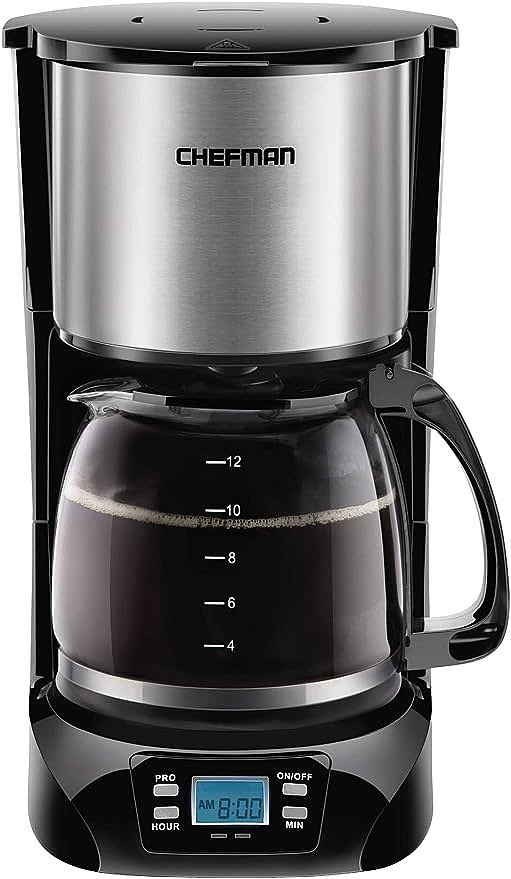
Chefman 12-Cup Programmable Coffee Maker: Your Perfect Brew Every Time

Empstorm CM1440A-UL 12-Cup Programmable Coffee Maker: Brewing Science and Convenience
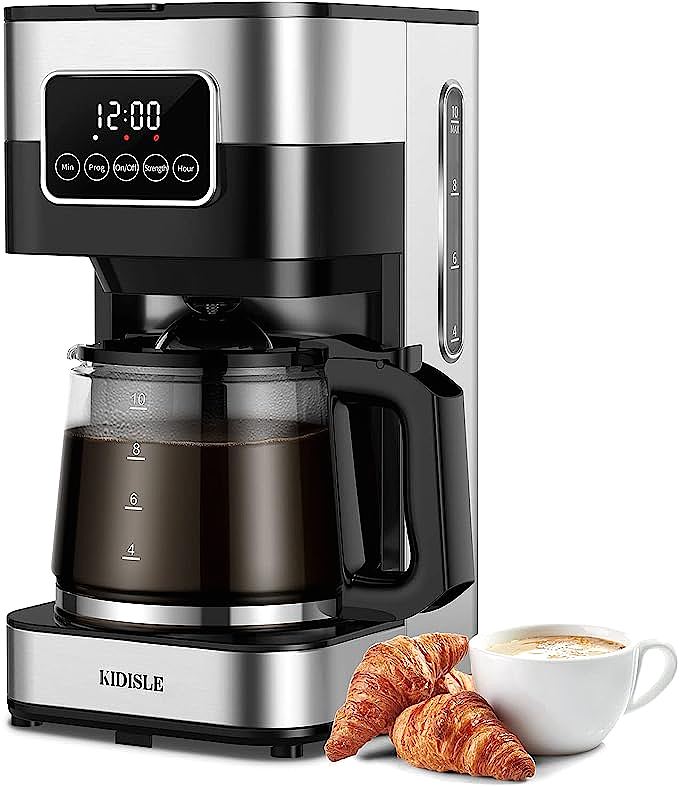
KIDISLE CM1429TE-UL Programmable Coffee Maker: Brewing Convenience and Flavor in Every Cup
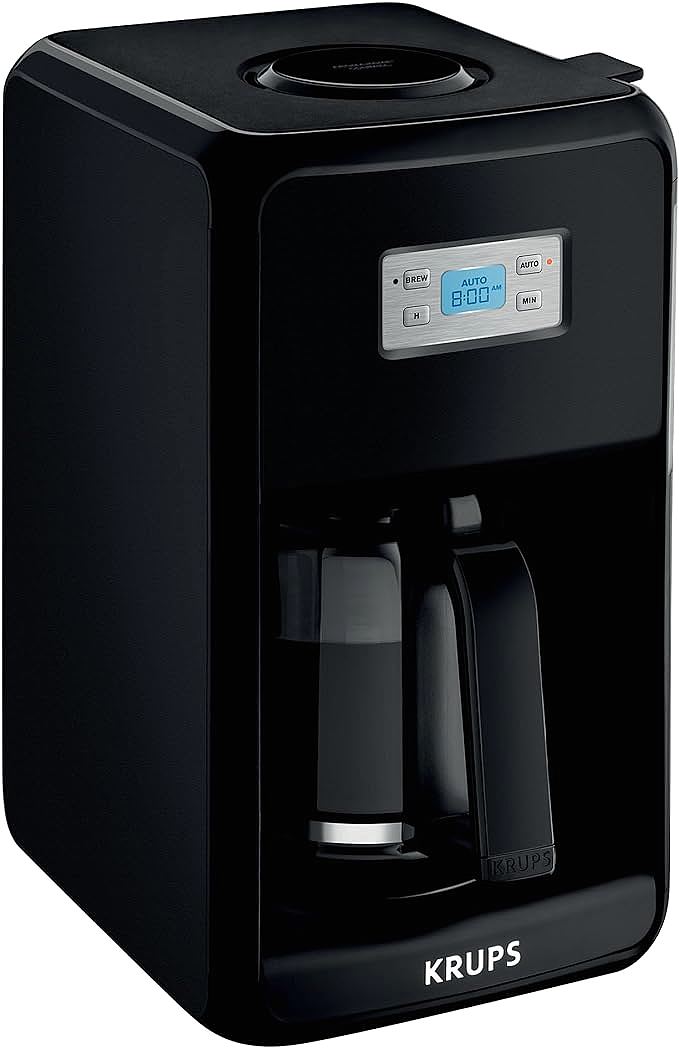
KRUPS EC311 SAVOY Programmable Coffee Maker: Brewing Science for the Perfect Cup

Mr. Coffee 2131962 Coffee Maker: Brewing Science and Delicious Coffee
Black+Decker CM1160B Review: Programmable Coffee Made Easy

Black+Decker DCM100B 12-Cup Programmable Coffee Maker: Your Perfect Morning Brew
BLACK+DECKER CM1110B-1: Wake Up to Perfect Coffee with Vortex Technology