Two Hearts in One Chassis: Mastering the Engineering of the Brim Trio Multibrew System
Update on Nov. 25, 2025, 5:49 p.m.
Two Hearts in One Chassis: Mastering the Engineering of the Brim Trio Multibrew System
There is a common misconception in the appliance world: “Jack of all trades, master of none.” When we see a machine that claims to brew a full 12-cup carafe and a single-serve K-Cup, we usually assume it does both poorly.
The Brim 50017 Trio Multibrew System challenges this assumption, but only if you understand what is happening under the hood.
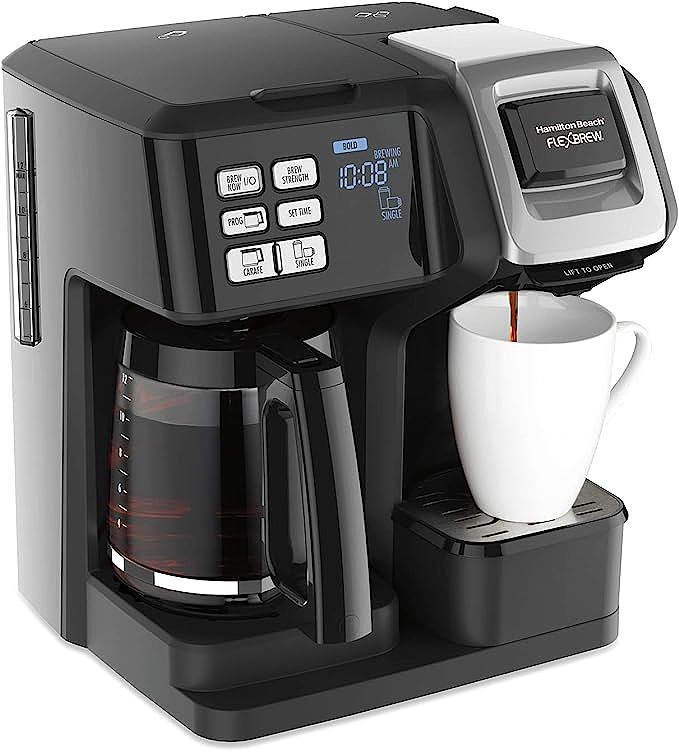
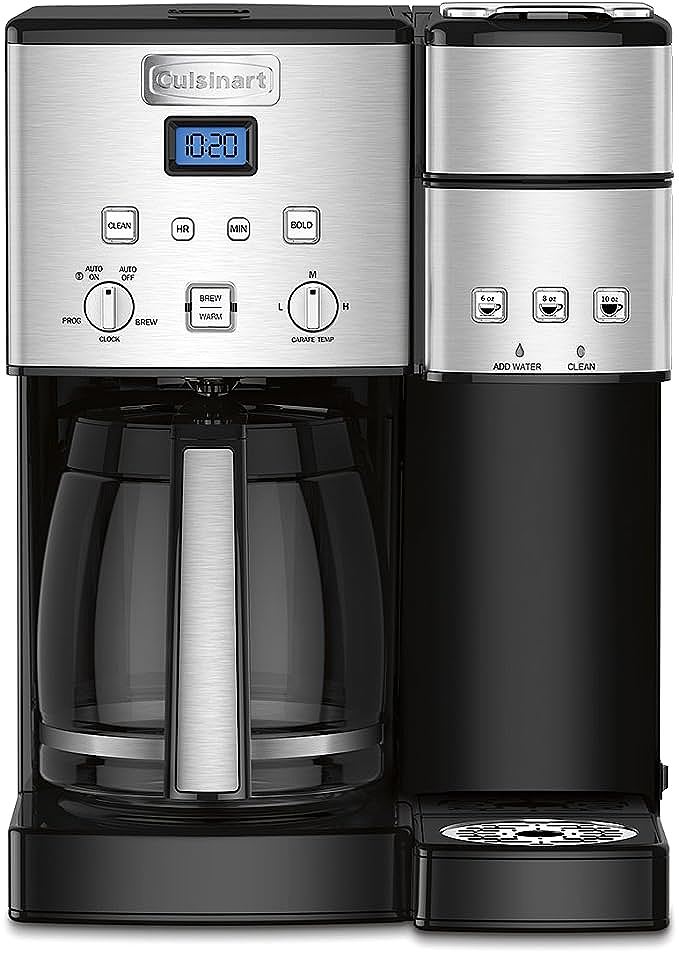
Many users treat this machine like a standard drip brewer, and that is where the frustration begins (leaks, overflows, confusion). As your guide to coffee mechanics, I want to reframe how you look at this device. It isn’t one machine; it is two completely separate brewing engines welded into one chassis.
Let’s pop the hood and understand why this matters for your morning cup.

The “Dual-Heart” Anatomy: Why Separate Reservoirs?
One of the most frequent complaints I see in user feedback (like from Linda Ross) is: “Why are there separate water tanks? Why can’t I just fill one big tank?”
It feels like an inconvenience, but biologically speaking, it’s a feature. * Engine 1 (The Carafe Side): Uses a traditional gravity-fed heating element designed for large volumes (12 cups). * Engine 2 (The Single Serve Side): Uses a specific DC Pump.
If they shared a reservoir, the machine would need complex internal plumbing valves to divert water, which are the first things to break. By keeping them separate, Brim ensures mechanical isolation. If one side has an issue, the other keeps running.
The “Freshness Protocol”:
The single-serve side requires you to pour water for each brew. While annoying to some, this forces you to use fresh water every time. Stagnant water sitting in a large reservoir for days (common in Keurigs) loses oxygen and tastes flat. The Brim forces you to brew fresh, which is chemically superior.

The Secret Weapon: The DC Pump
Most cheap dual-brewers just drip hot water over the K-Cup. This is wrong. K-Cups are designed to be pressurized.
The Brim features a DC Pump on the single-serve side. * The Physics: Instead of just letting gravity pull water through, the pump pushes water with force. This turbulence agitates the coffee grounds inside the pod (or the reusable filter). * The Result: This agitation increases the Total Dissolved Solids (TDS) extraction. It means your single cup won’t taste like watery tea; it will have actual body and strength. This is why the “Gourmet” and “Bold” settings actually work—they modulate this pump’s activity.
Mastering the Pour: Fluid Dynamics of the Carafe
Let’s talk about the “Poor Pour” mentioned in reviews.
The carafe design prioritizes Heat Retention over flow rate. The spout is narrow to trap heat.
* The User Error: If you tip the carafe past 45 degrees too quickly, the water rushes the lid’s air intake, creating a vacuum lock. The coffee then glugs and splashes.
* The Mentor’s Fix: Pour slowly. Treat it like decanting a vintage wine, not dumping a bucket. The patience of a 3-second longer pour saves you a 3-minute counter cleanup.

The Variable Brew Settings: Decoding the Buttons
The control panel isn’t just for show. It controls the Contact Time.
- Regular: Standard flow rate. Best for dark roasts that extract easily.
- Gourmet/Bold: This engages a Pulse Brewing cycle. The machine sprays water, pauses to let the grounds bloom and soak, and then sprays again.
- When to use it: Always use “Bold” for light or medium roasts. These beans are denser and need that extra soak time to release their sweetness.

Sustainability: The Reusable Ecosystem
Finally, a nod to the hardware. The Brim comes with a Reusable Filter Basket for the carafe and a Ground Coffee Adapter for the single side.
Paper filters absorb coffee oils (lipids). These oils contain the aromatics and create the mouthfeel. By using the provided mesh filters, you allow those oils into your cup.
* Flavor Note: Coffee made with these mesh filters will have more body and a heavier texture than paper-filtered coffee. If you find it “muddy,” your grind is too fine. Coarsen it up a notch.
The Verdict: Who is the Brim Trio For?
The Brim Trio Multibrew System is for the Pragmatic Host. It is for the person who needs a travel mug at 7:00 AM on Tuesday but needs to serve dessert coffee to six people on Saturday night.
It requires you to respect its dual nature—fill the right tank, use the right grind, pour with patience. But in exchange, it gives you the versatility of a coffee shop on your countertop, without the footprint of two machines.