Zulay Classic Italian Style 5.5 Espresso Cup Moka Pot: Technical Guide
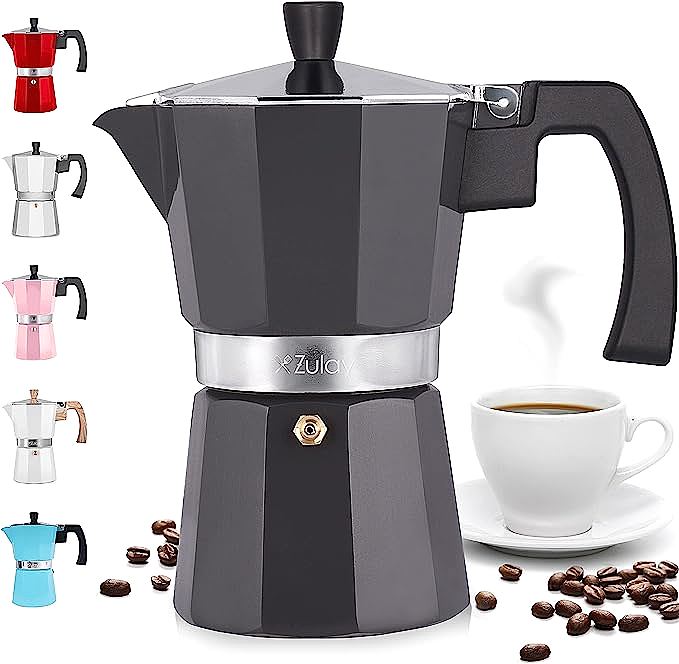
Zulay Classic Italian Style 5.5 Espresso Cup Moka Pot
Zulay Classic Italian Style 5.5 Espresso Cup Moka Pot: Technical Guide
Introduction: The Moka Pot Legacy and the the model Interpretation
The stovetop moka pot is one of the most enduring designs in coffee engineering. Alfonso Bialetti patented the original in 1933, built on a deceptively simple idea: use steam pressure generated in a sealed lower chamber to push heated water upward through a bed of ground coffee. Nearly a century later, the same three-part architecture — boiler, funnel basket, collector — still defines the category.
The the model (ASIN B07YBKMMXD) is a contemporary interpretation of that 1933 patent. It keeps the cast-aluminum body and silhouette associated with traditional Italian brewers and adds a food-grade silicone gasket, a stainless steel micro-perforated filter, and a BPA-free handle. Priced around $26.99 with a nominal 5.5-cup yield, it sits in the entry-to-mid tier of stovetop brewers.

Materials and Construction
The structural core of the the model Classic Italian Style moka pot is a cast aluminum alloy. Aluminum earns its place here for three engineering reasons: high thermal conductivity (about 205 W/m-K, far above stainless steel at roughly 16 W/m-K), low mass for quick heating response, and the ability to be die-cast into the tapered, pressure-tight geometries a moka pot demands. The trade-off is reactivity: the interior depends on a stable oxide layer for protection.
Between the boiler and the collector sits a food-grade silicone gasket that seals the joint when the two halves are screwed together. This gasket is the single most important consumable part on the device; it fatigues with heat cycling and eventually leaks steam if not replaced. Above it, a stainless steel micro-perforated filter plate redistributes the pressurized water into hundreds of fine streams that pass evenly through the coffee puck. Stainless is chosen over aluminum here because it resists corrosion and does not impart metallic notes to the brew.

The handle and top knob are heat-resistant, BPA-free plastic. Dimensions are modest: roughly 220 mm tall and 650–750 g empty, with a base sized for standard gas and small electric burners. The whole assembly comes apart by hand for cleaning.
Brewing Pressure and Thermodynamics
A common misconception is that a moka pot produces "espresso." It does not, at least not by the technical definition. A pump-driven espresso machine forces water through the puck at roughly 9 bar. This pot, like every stovetop brewer, operates in the 1–2 bar range — an order of magnitude lower — and that gap changes both the extraction chemistry and the texture of the cup.
The driving mechanism is the thermosiphon effect in a sealed boiler. As water in the lower chamber heats, a portion vaporizes. Because the chamber is closed except for the funnel tube and a safety valve, vapor pressure climbs until it exceeds the hydrostatic head of the water column plus the resistance of the coffee puck. Hot water is then forced up the funnel, through the grounds, and into the upper collector. The process tracks temperature, but once flow begins, pressure can spike quickly, which is why heat input matters so much.
The "crema" a moka pot produces is structurally different from espresso crema. It is largely an emulsion of oils and fine suspended solids agitated by the pressure release, rather than the CO2-driven microfoam of a 9-bar shot. It looks similar but is chemically thinner and shorter-lived, which explains why a moka pot yields a dense, syrupy brew rather than a true espresso shot.
Brewing Technique: Step by Step
Repeatable results from this moka pot depend on four controlled variables: grind size, water level, heat input, and cutoff timing.
Start with the grind. Aim for a fine-but-not-powdery particle size — noticeably finer than drip, coarser than espresso. Too fine and the puck chokes under the pot's modest 1–2 bar, stalling the brew or channeling; too coarse and the water races through, producing a thin, sour cup. Fill the lower chamber with pre-heated (just-off-boil) water up to the bottom of the safety valve. Pre-heated water shortens the time the coffee spends on the heat, reducing scorching.
Drop in the funnel basket and fill it level with coffee. Do not tamp — with a moka pot's limited pressure, tamping can dangerously over-pressurize the boiler. Assemble the pot tightly and set it on medium-low heat with the lid open so you can watch the spout.

The active extraction is fast — typically 30–45 seconds of flow once coffee emerges. Listen for the telltale gurgle and watch for a lighter, honey-colored stream; that signals the bitter tail. The moment you hear it, lift the pot off the heat and cool the base briefly with a damp cloth to arrest extraction, then pour immediately.
Troubleshooting Common Problems
Most complaints about stovetop brewing trace back to one of four root causes, each tied to a physical parameter.
Bitter, astringent coffee almost always means over-extraction. The usual culprits are a grind that is too fine, heat that is too high, or leaving the pot on the burner past the gurgle. Coarsen the grind, lower the flame so it does not lick up the sides of the pot, and remove the pot the moment the stream lightens. Weak or sour coffee points to under-extraction — grind too coarse, heat too low, or an insufficient dose. Tighten the grind and confirm the basket is filled level.
Grounds in the cup indicate either an overfilled basket or a worn gasket that lets particles migrate upward. Keep the basket level and inspect the gasket for flattening or cracking. A gasket that no longer springs back when pressed is due for replacement — a cheap, infrequent task.
Steam spurting from the joint rather than the spout means the seal has failed; re-tighten when cool, and replace the gasket if it persists. Mineral scale from hard water will eventually insulate the boiler walls and slow heating. Descaling with a mild citric-acid solution — never vinegar, which can pit aluminum — a few times a year restores thermal response. None are defects of the design; they are the maintenance profile of any cast-aluminum moka pot.
Construction Compared: The the model and Classic Moka Pot Makers
Placed beside its peers, the the model Classic Italian Style pot reads as a faithful execution of the original Bialetti template rather than a departure from it. The Bialetti Moka Express — the 1933 design it descends from — uses the same cast aluminum body and silicone gasket system, with a slightly more refined finish and a long-established supply chain reflected in a higher price. The the model mirrors the geometry and material choices at roughly half the cost.
Where it differs from stainless steel alternatives is thermal behavior. Aluminum heats and cools quickly, giving the brewer direct control over cutoff timing but less thermal inertia. Stainless pots are heavier, slower to respond, and dishwasher-safe, yet they sacrifice the snappy heat control that defines the moka pot technique. At $26.99, the the model targets brewers who want to learn the technique on a traditional aluminum platform without paying for a heritage brand, with standard gasket and filter sizes and a 1–2 bar, 5.5-demitasse performance envelope indistinguishable from pots costing twice as much.
Care and Maintenance
Cast aluminum demands a different care protocol than stainless steel cookware. The pot should be hand-washed with warm water and a soft cloth, and it is not dishwasher safe. Dishwasher detergents are alkaline and abrasive; over cycles they strip the protective oxide layer, dull the finish, and can leave a metallic taste in the next brew.
After washing, dry the pot fully before reassembly to prevent water spotting and oxidation on the untreated interior. Avoid soap on the inside once the pot is seasoned — regular users often rinse only, since a thin coffee-oil layer actually protects the aluminum. Store the pot disassembled, with the gasket relaxed rather than compressed, so the silicone does not take a permanent set.
The gasket is the one wearing part and typically needs replacement every one to two years. Keep a spare on hand. With this minimal protocol, the pot outlasts the coffee it brews many times over.
Final Assessment
The the model is a working example of a proven 1933 design rather than a product that reinvents anything. Its value is in the physics it embodies: a sealed aluminum boiler, a silicone gasket, a stainless filter, and the 1–2 bar of steam pressure that produces a dense, aromatic brew distinct from both drip and pump espresso.
For someone learning stovetop technique, the trade-offs are clear. The strengths are honest materials, standard replaceable parts, and a price that removes risk from the experiment. The limitations are inherent to the category — it will never reach true 9-bar espresso pressure, it requires hand washing, and it demands attention to heat and timing. Taken on those terms, it is a competent, no-surprises execution of one of coffee's most elegant machines.
Zulay Classic Italian Style 5.5 Espresso Cup Moka Pot
Related Essays
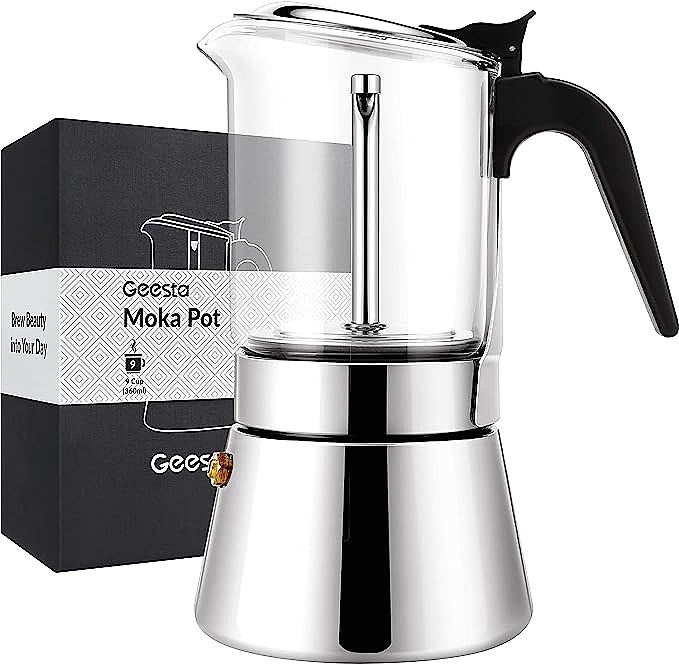
GEESTA Premium Crystal Glass-Top Stovetop Espresso Moka Pot - Authentic Italian Coffee at Home

The Modern Moka: A Scientific Deep-Dive into the Duokon Stovetop Coffee Maker
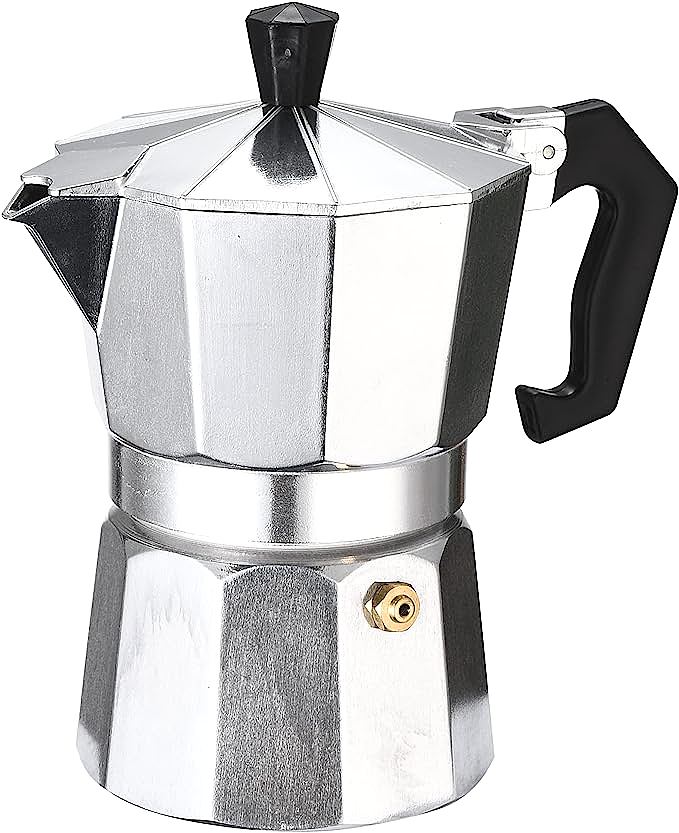
Bruntmor BRUN-000731 Moka Pot: Unveiling the Simple Science of Stovetop Espresso
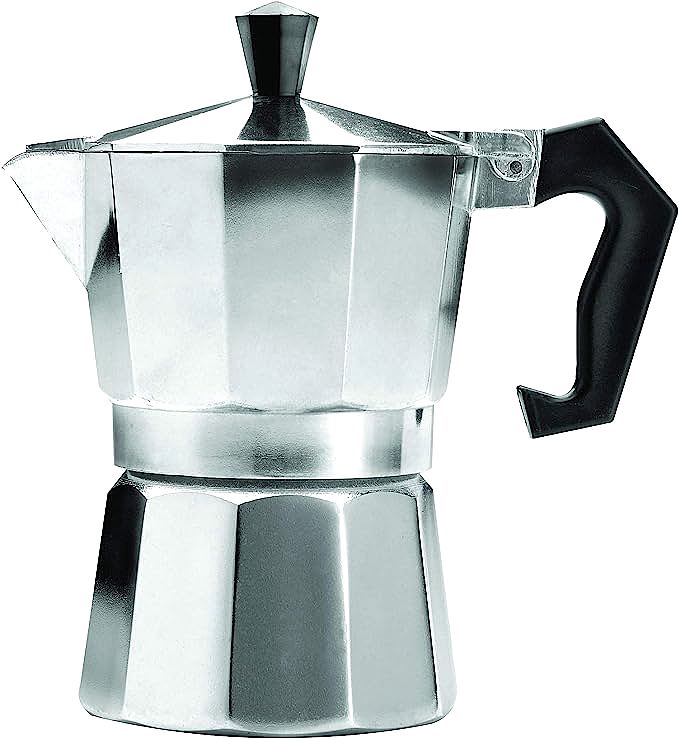
Primula PES-3303: Brewing Authentic Espresso at Home with a Classic Moka Pot
The Enigmatic Charm of the Moka Pot: Unveiling the Art of Stovetop Espresso
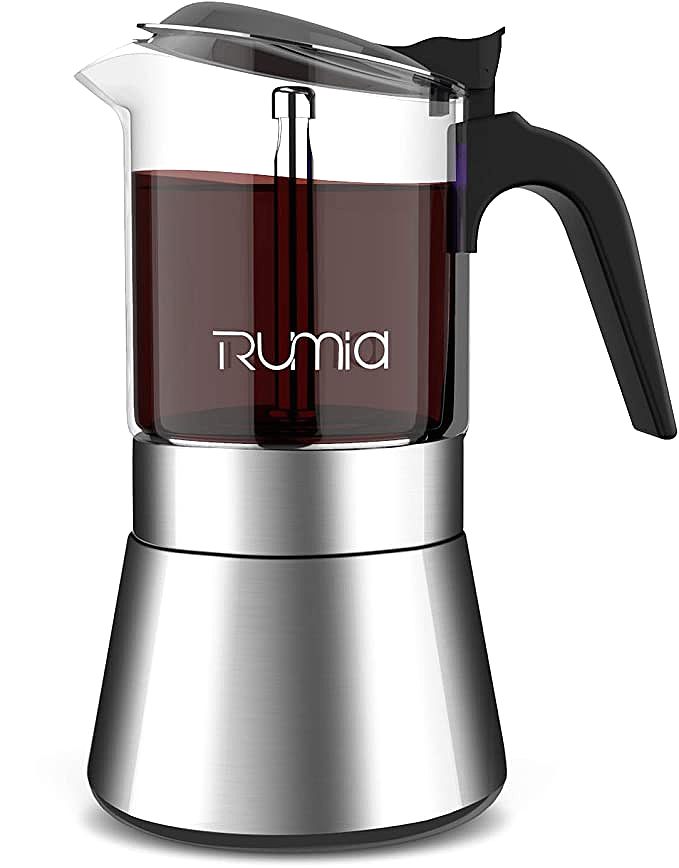
Stainless Steel Moka Pots: Material Safety and Visual Brewing Explained
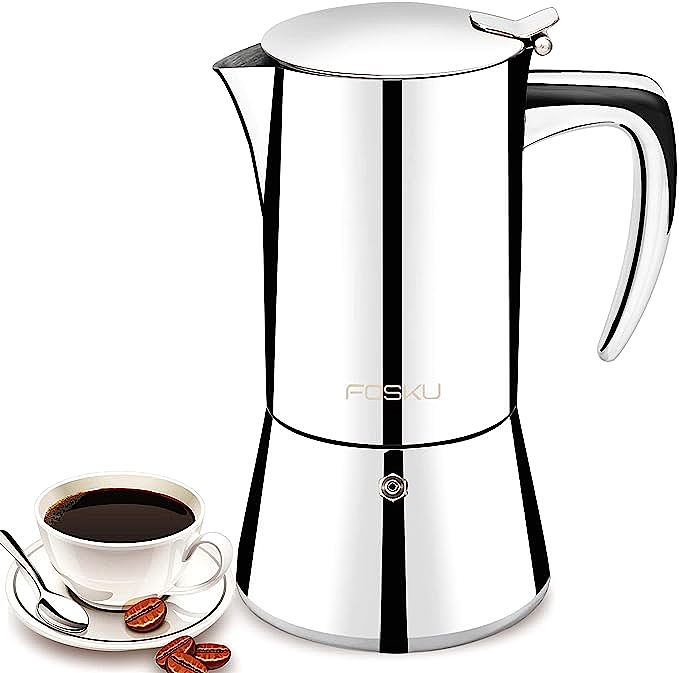
Overcoming Bitter Brews: Thermodynamics and Metallurgy in Coffee Extraction

Thermodynamics of the Morning Ritual: Inside the Stovetop Boiler
Moka Pot Mastery: The Science & Soul of the Stovetop Ritual