Oily Beans & Hidden Sugars? The Science of Dark Roast Coffee

Kicking Horse Kick Ass Dark Roast Whole Bean
Notice the sheen on your dark roast grounds after grinding. That oil on your fingers is not a defect. It is the visible signature of a chemical shift that begins when green coffee beans cross the second crack threshold during roasting.
Coffee drinkers often ask why dark roast beans are oily and whether that oil means something has been added. The answer lies in the physics of cellulose fracture, lipid migration, and the thermal decomposition of naturally occurring sugars. Understanding these processes reveals why dark roast coffee tastes the way it does—and why the oil on those beans is actually a sign of proper roasting, not spoilage.
Why Are Dark Roast Beans Oily? The Lipid Migration Explained
Green coffee beans contain approximately 12-15 percent lipids by dry weight. These lipids exist primarily as triglycerides, phospholipids, and free fatty acids stored within the bean's cellular structure. During the first crack, which occurs around 200 degrees Celsius, the bean expands and moisture escapes as steam. The cellulose matrix remains largely intact. This phenomenon is most visible with oily dark roast coffee beans, where the extended heating drives internal lipids to the surface.
Second crack is different. At 240-245 degrees Celsius, the cellulose structure fractures under internal steam pressure. The audible pops—quieter than the first crack—are the sound of structural failure. When those fractures open, trapped lipids migrate from the interior cells to the bean surface. This is lipid migration, and it produces the characteristic oil sheen associated with dark roasts.
The oils that reach the surface carry aromatic compounds responsible for the heavy body and smoky flavor profiles. They are not added substances. They are native coffee compounds moving to where heat has opened a pathway. The presence of oil on a dark roast bean indicates a properly executed roast that reached second crack. This is what separates genuinely oily dark roast coffee beans from lightly roasted alternatives, where the cellular structure remains sealed and lipids stay trapped inside. Absence of oil typically means the roast stopped before reaching that temperature threshold.
A common misconception equates oily beans with staleness. The reverse is closer to the truth: oil appears earliest after roasting and gradually dissipates as the beans age and the lipids oxidize. Properly stored dark roast beans in their prime will show the most visible sheen. Storage in a cool, dry place with the bag sealed after opening slows the oxidation process.
Does Dark Roast Have Hidden Sugars? The Caramelization Chemistry
The sweetness noted in dark roast tasting profiles—molasses, chocolate malt, caramel—comes from chemical reactions that occur during roasting. No sugar is added. The "additive-free" label on this product is accurate because the sweetness is entirely endogenous.
Two parallel chemical pathways generate these flavor compounds.
Caramelization occurs between 160 and 210 degrees Celsius. Naturally occurring sugars in the bean—sucrose, glucose, and fructose—undergo thermal decomposition. Sucrose, which is abundant in green coffee, breaks down into smaller molecules. The products include caramel polymers, maltol (which tastes sweet and caramel-like), and furfural (which carries nutty, bread-like notes). These compounds accumulate as the roast deepens. The molasses and chocolate malt tasting notes that appear on dark roast labels are direct sensory signatures of caramelization products.
The Maillard reaction operates alongside caramelization but follows a different mechanism. Between 140 and 165 degrees Celsius, amino acids react with reducing sugars in a non-enzymatic browning process. This reaction generates pyrazines (nutty, roasted aromas), thiazoles (savory compounds), furans (sweet notes), and melanoidins—brown polymeric pigments that contribute both color and perceived body to the brewed cup. Melanoidins are particularly significant for dark roast character. They create the heavy mouthfeel that distinguishes deep roasts from lighter ones.
Acid degradation completes the sweetness picture. Citric acid, malic acid, and quinic acid—which give light roasts their bright, sharp acidity—break down at roasting temperatures above 200 degrees Celsius through a process called decarboxylation. As these acids degrade, the perceived acidity drops. With less acidity competing for sensory attention, the sweetness from caramelization and Maillard products becomes dominant. The result is a cup that tastes sweet without containing any added sugar. This chemical sweetness is one reason why oily dark roast coffee beans have such devoted followers among espresso enthusiasts and French press drinkers alike.
From Soil to Cup: The 100% Arabica Blend Path
The flavor foundation begins long before roasting. This blend uses a selection of 100% Arabica beans sourced from Indonesia and South America. Each origin contributes distinct chemical and sensory properties shaped by terroir and processing methods.
Indonesian beans—likely from Sumatra—undergo giling basah, a wet-hulling process unique to the region. The beans are partially dried before the parchment is removed, then hulled while still moist. This technique produces beans with heavier body, lower acidity, and pronounced earthy characteristics. The earthy lingering finish noted in tasting profiles originates from these Indonesian components.
South American beans—potentially from Colombia, Peru, or Brazil—grow at higher altitudes between 1,200 and 2,000 meters. The cooler temperatures and thinner air at elevation slow cherry development, allowing more time for sugar accumulation. These beans contribute balance, nutty chocolate notes, and the sweetness layer that counterpoints the Indonesian earthiness.
Shade-grown cultivation adds another dimension. Coffee grown under natural forest canopy takes 9-12 months to ripen compared to 6-8 months for sun-grown varieties. The extended maturation period allows higher bean density and greater concentration of sugars and acids. Shade-grown coffee also supports biodiversity: migratory birds find habitat in the understory, beneficial insects control pest populations, soil erosion decreases, and carbon sequestration increases through the surrounding tree biomass.
The combination of Indonesian earthiness, South American sweetness, and shade-grown density creates a bean structure that responds dramatically to dark roasting. The lipid content, sugar concentration, and acid profile all converge during the second crack to produce the characteristic oily sheen and complex flavor compounds.

Seals of Integrity: What Organic and Fairtrade Really Mean
Certification labels on coffee packaging are frequently dismissed as marketing. The certifications held by this particular product—USDA Organic, Fairtrade International, Kosher, and Shade Grown—represent verifiable production standards with measurable impacts.
USDA Organic certification requires that at least 95 percent of the product's material content be produced without synthetic pesticides, herbicides, or fertilizers. The farming land must undergo this chemical-free period for a minimum of three years prior to harvest. Organic practices rely on natural soil amendments: composting, cover crops, and crop rotation maintain soil fertility. The biodiversity benefits of shade-grown organic farming compound these effects. The certification guarantees additive-free production from farm through roasting.
Fairtrade International operates a different mechanism. When commodity coffee prices crash, Fairtrade establishes a minimum price floor that protects farmers from market volatility. On top of that floor, buyers pay a premium of $0.15 to $0.30 per pound above the commodity price. This premium goes into a fund that farmer cooperatives decide democratically. The money finances equipment purchases, school construction, healthcare improvements, and climate adaptation measures. Worker well-being standards are enforced on Fairtrade-certified farms, including protections for health and rights.
The Fairtrade premium also extends to forestry practices. Materials are harvested from responsibly managed forests, which aligns with the shade-grown cultivation method. The certification creates an economic incentive for farmers to maintain forest canopy rather than clear-cut for sun-grown monoculture. Biodiversity protection becomes financially rational, not just environmentally desirable.
Kosher certification verifies that the coffee meets Jewish dietary standards for purity and processing. For a black coffee product with a single ingredient—coffee beans—this certification primarily confirms that no non-kosher processing aids or additives entered the supply chain.
Consumer trust in these certifications is substantial. A 2023 Food Systems Alliance survey found that 68 percent of consumers trust third-party certifications. Shade-grown coffee commands a 10-15 percent price premium in the specialty market. Organic coffee as a category is projected to reach $3.2 billion by 2027, growing at 8.5 percent annually.
Preserving Potential: Why Whole Bean Beats Ground
Grinding coffee exponentially increases the surface area exposed to oxygen. A whole bean presents a protective outer shell that limits oxidation. Once ground, every particle interior is exposed to atmospheric oxygen simultaneously. Volatile aromatic compounds—pyrazines, phenols, fatty acids—evaporate or oxidize within minutes of grinding.
This is why the whole bean format matters for dark roasts specifically. The lipid-rich surface oils that carry aromatic compounds are especially vulnerable to oxidation, which is why oily dark roast coffee beans benefit most from being ground only moments before brewing. The lipid-rich surface oils that carry aromatic compounds are especially vulnerable to oxidation. Pre-ground dark roast loses its smoky, molasses, and chocolate malt notes faster than pre-ground light roast because the oil layer accelerates rancidity development.
Grinding immediately before brewing captures the maximum flavor complexity. The degassing process—where CO2 released during roasting continues to escape—also affects extraction. Freshly roasted beans release more CO2 during brewing, which can interfere with water contact if not managed. A bloom period of 30-45 seconds before full extraction helps release excess gas and improves contact between water and coffee particles.
Whole bean storage extends the usable freshness window. The product specification recommends consuming within six months of the roast date for optimal quality. Sealed bags stored in cool, dry conditions slow both oxidation and moisture absorption. The six-bag bulk packaging format available through retailers supports this timeline by allowing rotation through multiple fresh bags.

Brewing Parameters for Dark Roast
Dark roast chemistry dictates specific brewing requirements. The reduced acidity and increased solubility of roasted compounds mean extraction behaves differently than with lighter roasts.
The baseline ratio for dark roast is 1:17—one gram of coffee per 17 grams of water. For oily dark roast coffee beans specifically, this ratio ensures the heavier soluble compounds are extracted without overwhelming bitterness. This produces a balanced extraction that highlights the sweetness compounds without over-extracting bitter elements.
French press works naturally with dark roast. The immersion method allows extended contact time (4 minutes) that extracts the heavier melanoidin compounds responsible for body. Use a coarse grind to prevent sediment. Water temperature at the lower end of the range—195 degrees F (90 degrees C)—prevents over-extraction of bitter phenolic compounds. The metal filter allows oils to pass through, preserving the full mouthfeel that dark roast delivers. This is one reason French press remains the preferred method for brewing oily dark roast coffee beans—the method complements the bean characteristics rather than fighting them.
Drip machines require attention to grind size. A medium-coarse setting prevents the fine particles that cause channeling in automated brewers. Standard 8-10 minute brew cycles work well. Some drip machines run water hotter than ideal for dark roast; if the resulting cup tastes harsh, reduce the water temperature or shorten the contact time.
Pour over offers the most control. A medium-fine grind with a two-stage pour—initial bloom followed by gradual pouring—manages CO2 release effectively. Total brew time should fall between 2:30 and 3:00 minutes. The paper filter removes most oils, producing a cleaner cup that emphasizes the caramelization-derived sweetness over the lipid-derived body.
Cold brew extracts differently still. Coarse grounds steep in cold water for 12-24 hours. The low temperature selectively extracts sweet compounds while leaving many bitter acids behind. The result is a concentrate with notably smooth character. Dilute at 1:1 with water or ice before serving. Dark roast cold brew emphasizes the molasses and chocolate malt notes while minimizing the smoky phenolic elements.
A Chemically Complex, Ethically Sound Cup
The oil on dark roast beans and the sweetness in the cup are not mysteries requiring explanation. They are predictable outcomes of well-understood chemistry operating at specific temperature thresholds. Lipid migration produces the sheen. Caramelization and Maillard reactions produce the sweetness. Acid degradation reduces the brightness that would otherwise compete with those flavors.
The certifications on the bag confirm that the beans producing these compounds were grown under conditions that support environmental sustainability and economic fairness for the people who cultivated them. For anyone seeking oily dark roast coffee beans that deliver both chemical complexity and ethical integrity, this product represents a compelling case study. The shade-grown canopy that extends cherry ripening also hosts migratory birds. The Fairtrade premium that funds farmer cooperatives also incentivizes forest preservation.
Understanding the science behind what you see and taste turns an everyday commodity into a case study in applied chemistry, agricultural practice, and economic systems—all contained in a single cup.
Kicking Horse Kick Ass Dark Roast Whole Bean
Related Essays

ILAVIE CM5020-UL: The Science Behind Your Perfect Home Brew

From Chaos to Order: The Physics of Particle Size and Coffee Extraction
From Chaos to Order: The Physics of Particle Size and Coffee Extraction
The Chemistry of Extraction: Why Your Coffee Tastes Sour or Bitter
The Chemistry of Extraction: Why Your Coffee Tastes Sour or Bitter
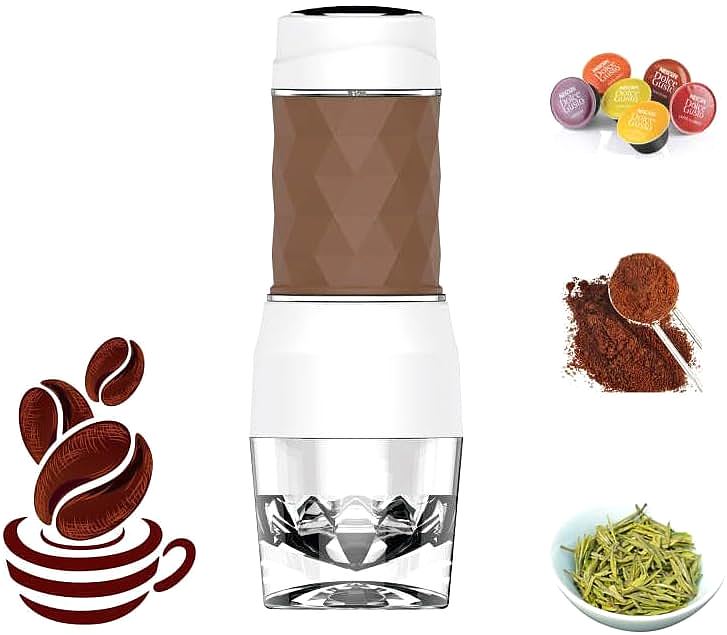
ShareforU HS-8439 Portable Espresso Machine Guide
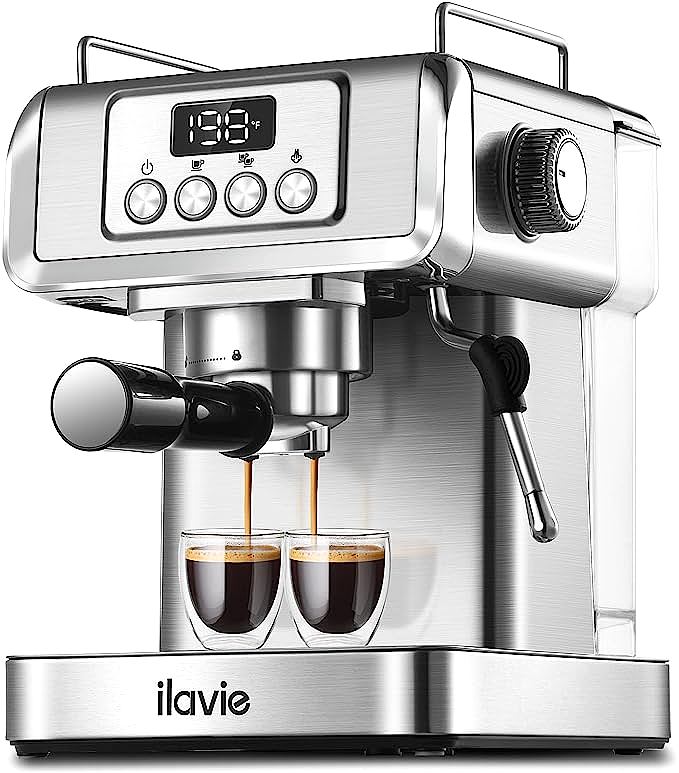
The Espresso Compromise: Unpacking the Science and Engineering in a Home Coffee Machine

Espresso Machine Science: Inside Super-Automatic Brewers

The Chemistry of Extraction: Why Your Coffee Tastes Sour or Bitter
