AeroPress vs Chemex Pour Over: How Pressure and Gravity Shape Your Coffee

AeroPress Original Coffee Press vs Chemex Pour-Over Coffeemaker
Pour-over coffee attracts people who enjoy watching water move through grounds. The comparison that keeps coming up in that community is aeropress vs chemex pour over, because the two devices reach the same result through opposite routes. One is a hand-held cylinder that uses air pressure to push water through a compacted coffee bed in about two minutes. The other is a glass hourglass that lets gravity do all the work over four to five minutes. The AeroPress Original sells for around $32 and carries a 4.7-star average across 89,234 user ratings. The Chemex eight-cup brewer sells for about $49 and holds a 4.6-star average across 45,678 user ratings. The price gap is real, but the mechanical gap is what shapes flavor. Knowing how pressure extraction and gravity filtration treat oils, fines, and temperature explains most of what tasters describe as body, clarity, and acidity.
Two Brewers, Two Ideas About Extraction
The pressure brewer arrived in 2005 as a workshop invention built around one claim: air pressure shortens contact time without sacrificing extraction. Its chamber holds about 250 ml, and the whole routine, from dry grounds to finished cup, takes roughly two minutes. The glass funnel is older by six decades, designed in 1941, and it contains no moving parts at all. It is a vessel, a collar, and a filter, nothing more. Museums have displayed the design, and home counters have kept it in production for eighty years.
The physics separates them cleanly. Pressure extraction keeps water against the coffee under force, so a short contact still pulls out a high share of dissolved solids. Gravity filtration lets water fall through under its own weight, so contact time stretches out and the filter does more of the work. Coffee from the pressure chamber typically measures 1.2 to 1.5 percent total dissolved solids. Coffee from the glass funnel lands between 1.0 and 1.3 percent. One concentrates the cup; the other clarifies it.
Inside the Pressure Chamber: Immersion with an Air Spring
Take the pressure brewer apart and you find four working pieces: a chamber, a plunger with a silicone seal, a filter cap, and a paper micro-filter. The chamber is Tritan copolyester, BPA-free, and the whole assembly weighs about 270 grams. A standard brew runs like this. A micro-filter goes into the cap and gets a rinse with hot water. Fifteen to seventeen grams of medium-fine coffee go into the chamber. Water between 175 and 185 F follows, the slurry is stirred for about ten seconds, and it steeps for 30 to 60 seconds. Then the plunger descends. The air trapped above the coffee bed builds 0.5 to 0.7 bar of pressure and drives the water through the grounds and the filter in 20 to 30 seconds. Total time from dry grounds to finished cup: about two minutes.
The micro-filter is the quiet hero. Its pores run around 0.2 to 0.3 microns, fine enough to stop most sediment but open enough to let some oils pass. That partial oil passage is deliberate. It gives the cup a fuller mouthfeel than typical filter coffee and a sweetness that pressure-assisted extraction pulls out readily.
Because the brewer is a closed tube, it supports variations that open brewers cannot copy. Flipped upside down, it steeps the slurry for up to two minutes with no dripping, then presses. A stronger ratio and a longer press yield a concentrate dense enough to anchor milk drinks. A cold brew version runs one part coffee to four parts water and steeps for minutes instead of hours. None of these moves requires new equipment.
Inside the Glass Funnel: Gravity Plus a Thick Filter
The glass brewer looks like chemistry equipment because it was designed that way. The body is borosilicate glass, chosen for its tolerance of wide temperature swings, roughly 15 C to 150 C. The eight-cup model holds 40 ounces, about 1.2 liters, and weighs 680 grams. A wooden collar and leather tie wrap the neck, which is mostly decoration but also a handle that stays cool.
Brewing follows the traditional pour-over sequence. A bonded paper filter, 20 to 30 percent heavier than standard pour-over paper, sits in the top cone. About 40 grams of medium-coarse coffee go in for a full batch. Water at 195 to 205 F goes in first as a bloom, roughly twice the weight of the grounds, and rests for 30 to 45 seconds while the coffee releases carbon dioxide. The remaining water is poured in slow spirals over about three minutes, and the thick filter drains at its own pace. Total time runs four to five minutes.
The filter is the defining piece. Its extra density removes nearly all coffee oils and suspended fines, and what passes is mostly dissolved solids, which is why the cup tastes so clean. The ridges molded into the glass funnel wall hold the paper away from the glass so air can escape as liquid drains. Without those channels, the wet paper would cling to the glass and the drawdown would stall. The wide mouth does practical work too: loading grounds, rinsing the vessel, and watching the level drop are all easy through the opening. For anyone weighing the aeropress vs chemex pour over trade-off, the filter is the piece that explains most of the flavor difference.
Water Temperature, Grind Size, and Brew Time
The two methods ask for different water. The pressure chamber works best between 175 and 185 F, noticeably cooler than the 195 to 205 F range the glass funnel wants. This is not preference; it follows from the physics. Pressure extraction does more work per second of contact, so cooler water still extracts fully without pulling out bitter compounds. Gravity filtration has a thinner contact and a slower flow, so it needs hotter water to extract enough in the first place.
Grind follows the same logic. The pressure chamber accepts medium-fine coffee, close to what an espresso basket would see. The glass funnel wants medium-coarse. Ground too fine, the fines pack into the filter pores and the drawdown slows to a crawl; ground too coarse, water finds weak channels through the bed and the cup under-extracts.
Both methods share a ratio window of roughly 1:15 to 1:17 coffee to water, and neither needs electricity. Time is where they diverge most visibly: two minutes for the pressure brew, four to five for the gravity brew. That gap shows up as a temperature curve too. The pressure brew finishes before it cools meaningfully. The glass funnel holds heat in its mass, so the batch stays warm on the counter longer.
In practice, the aeropress vs chemex pour over decision is partly a question of attention. Two minutes forgives distraction. Five minutes punishes it: a pour that stalls, a bloom that runs long, a spiral that floods one side, each shows up in the cup when the method is gravity-driven.
What Ends Up in the Cup: Body, Clarity, Acidity
Tasters describe the difference with the same few words again and again. The pressure brew leans medium to full in body, with a texture some people liken to crema. It keeps a share of its oils and micro-fines, so the mouthfeel is rounder and the sweetness reads higher. Acidity stays moderate, softened by the body around it.
The gravity brew reads lighter, closer to tea. The heavy filter strips nearly all oils and fines, so clarity is exceptional and the cup is free of sediment. Acidity becomes the loudest note. Floral and fruity compounds that oils would otherwise mask come through intact, and the sweetness is more delicate, a background note instead of a headline.
Neither profile is ahead of the other. The same bean from the same bag will show more of its origin character through the glass funnel and more of its roast character through the pressure chamber. Drinkers of darker roasts tend to find the pressure brew familiar; buyers of single-origin bags with tasting notes printed on the side will see why those notes were written when the funnel brews them.
Concentration numbers make this concrete. The pressure brew typically measures 1.2 to 1.5 percent dissolved solids, dense enough to stand up to a splash of milk. The gravity brew lands around 1.0 to 1.3 percent, which is one reason an eight-cup batch can disappear quickly at brunch. This is the taste difference behind most aeropress vs chemex pour over discussions: one cup carries weight, the other carries detail.
Filter Costs, Batch Costs, and the First Year
At purchase, the two brewers sit about $17 apart. The AeroPress Original costs $31.96 and ships with 50 micro-filters, a stirrer, and a scoop. The Chemex eight-cup costs $48.95 and arrives with the vessel, the wooden collar, and the leather tie. The recurring expense is paper, and the math runs in opposite directions.
The micro-filters run about $3 for a 50-pack, roughly 6 cents per brew. A daily drinker goes through about $22 worth in a year. Universal 80 mm round filters work as replacements, and a reusable metal filter removes the paper expense entirely, at the cost of letting more oils and fines into the cup.
The bonded filters for the glass funnel cost about $15 per hundred, roughly 15 cents each. One filter brews 4 to 8 cups, so a household that makes a full batch weekly uses about 50 filters a year, around $7.50. A single-cup drinker who still wants the funnel either uses a quarter of each filter's capacity or moves to the smaller 3-cup model at $41.95.
First-year totals for a daily single-cup habit come to about $54 for the pressure brewer including filters, and roughly $63 for the glass funnel with weekly batch filters. The pressure brewer wins the single-cup math; the funnel's economy appears only at batch scale. That pattern sits behind most aeropress vs chemex pour over cost arguments: pressure is cheaper per cup, gravity is cheaper per serving when the table is full.
Durability, Travel, and the Daily Cleanup
The two materials age in different ways. Tritan copolyester does not shatter. The pressure brewer routinely survives being dropped into a bag or onto a floor, and its expected service life runs five to ten years, with a silicone gasket swap every year or so as the only regular maintenance, a $5 part. Plunger seals and filter caps are widely available as replacements.
Borosilicate glass does not wear out but it can break. It shrugs off thermal stress across a wide range, yet a hard impact ends it. The wooden collar, exposed to steam and washing, typically needs replacement after three to five years of heavy use. With care, the glass itself has no service life at all; without care, the whole thing is one drop away from gone.
Cleanup splits the same way. The pressure brewer cleans in about 30 seconds: the compressed puck pops out of the chamber and into the compost, the cap gets a rinse, and the job is done. The glass funnel needs two or three minutes: lift out the wet filter, rinse the vessel, and dry the collar so it does not split.
Travel is where the gap widens. The pressure brewer weighs 270 grams and fits in a backpack pocket. It was built partly for camping, and it works with any heat source that can warm a kettle. The glass funnel weighs 680 grams, wants a stable flat surface, and does not belong in luggage.
Batch Size, Portability, and Where Each Fits
Capacity is the most obvious fork in the road. The pressure chamber makes one cup, about 250 ml, at a time. The glass funnel makes 4 to 8 cups per batch. A morning with two coffee drinkers means two separate presses or one funnel, and a weekend with guests settles the question in the funnel's favor before anyone tastes anything.
The single-cup limit is also a feature. The pressure brewer is the one that goes to the office, the campsite, and the hotel room, because it is light, unbreakable, and quick. The glass funnel is the one that stays on the counter and becomes the centerpiece when guests arrive. It is as much a serving vessel as a brewer; the carafe goes to the table.
There is one capability the pressure brewer has that the funnel cannot approach: concentrate. A stronger ratio and a firm press yield a liquid dense enough to anchor milk drinks, something no gravity pour-over can produce. This single trick expands its range to cappuccinos and lattes, drinks the funnel simply does not make.
For the aeropress vs chemex pour over shopper, the practical question is rarely taste alone. It is whether coffee happens one cup at a time or six cups at once, in one place or in many, at a desk or at a dining table.
Paper Waste and Material Footprints
Neither brewer uses electricity, so the environmental weight sits in filters and materials rather than power. A daily pressure-brew habit consumes about 365 paper micro-filters a year. They are small, and they compost along with the coffee puck. The reusable metal filter removes the paper stream entirely, though it lets more oils and fines into the cup, which some drinkers want and others do not.
The funnel's bonded filters are heavier paper, about 91 per year for a weekly batch brewer. They are thick because the design depends on that specific paper, and no reusable equivalent exists. A single-cup drinker using the funnel burns through filters faster than the batch brewer for less coffee.
On materials, the comparison is plastic versus glass. Tritan is a recyclable polymer with a service life of five to ten years, and because it does not shatter, it rarely needs replacing before it wears out. Glass is infinitely recyclable and lasts indefinitely unless dropped, but a broken funnel is a full replacement, collar and all. Both ship in modest packaging, and neither hides electronics inside a plastic shell that ends up in a landfill.
Energy is a minor line item either way. The pressure brewer finishes faster, so the kettle runs shorter. The glass funnel holds heat in its mass, so the batch stays warm on the table without a warming plate. Both approaches keep the total footprint small.
Choosing Between Pressure and Gravity
No single answer ends this argument, because the two devices optimize for different days. The choice sorts itself out once the priorities are written down.
Pressure earns its keep when coffee happens in single servings, when it travels, when cleanup time matters, or when milk drinks are on the menu. Its two-minute routine, its unbreakable body, and its concentrate trick cover most weekday realities. Gravity earns its keep when several people sit down at once, when the clearest possible cup of a single-origin coffee matters, or when the slow pour itself is part of why you brew at all. Its four to five minutes are a ritual, not a delay, if you treat them that way.
Both devices cost less than a month of cafe visits, and both will outlast their purchase price many times over. The aeropress vs chemex pour over question is not about which machine makes better coffee. It is about which machine matches the way you actually drink it. Pressure rewards speed, portability, and a rich cup. Gravity rewards patience, clarity, and a full carafe. Plenty of kitchens eventually find room for both.
AeroPress Original Coffee Press vs Chemex Pour-Over Coffeemaker
Related Essays

BRITA Large 10-Cup Water Filter Pitcher: Clean Water for Better Coffee
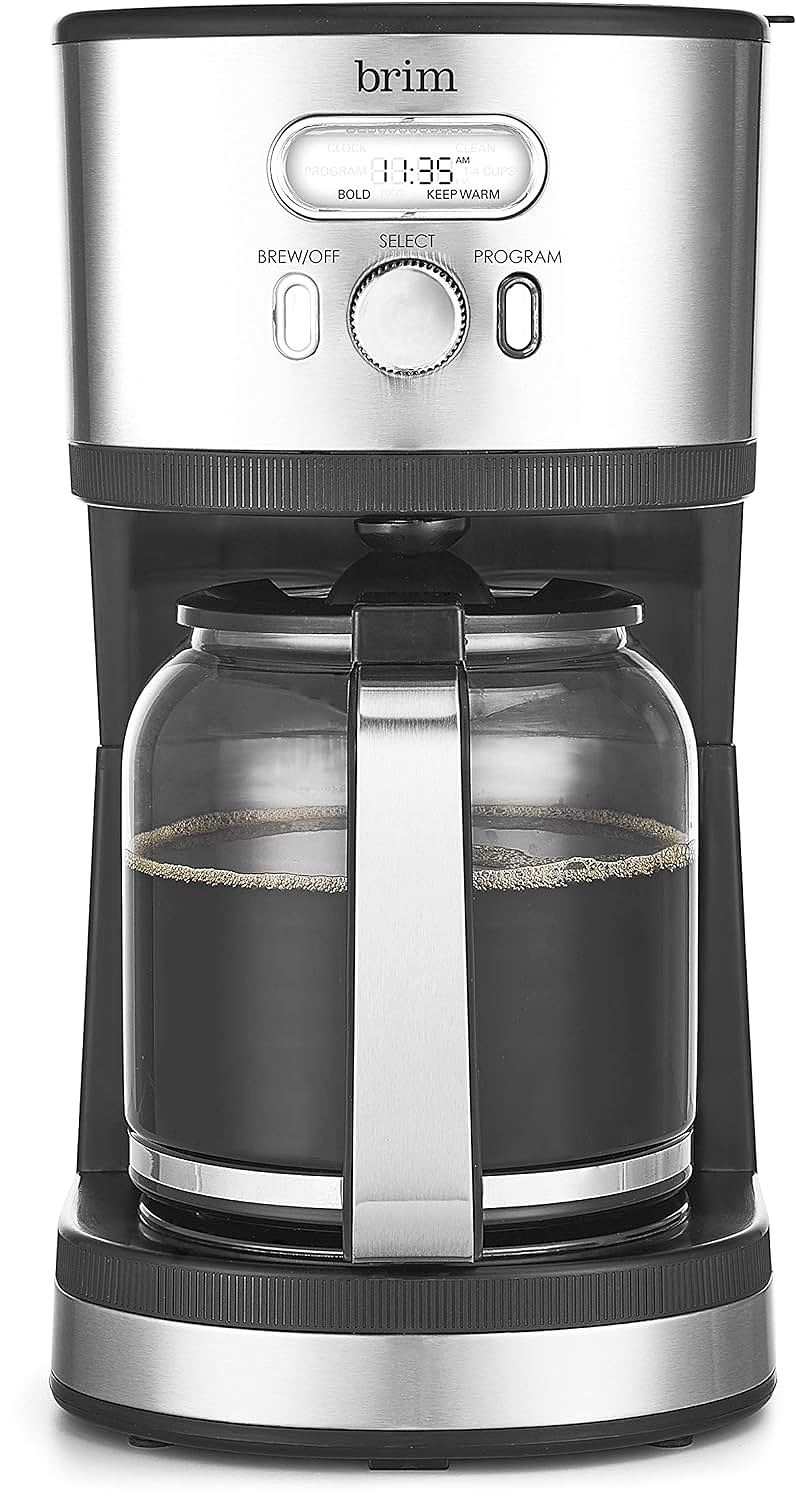
Brim Programmable 14-Cup Coffee Maker: Your Ultimate Guide to Perfect Coffee

Chefman RJ54-SS-15 Espresso Machine: Your At-Home Barista for Perfect Coffee
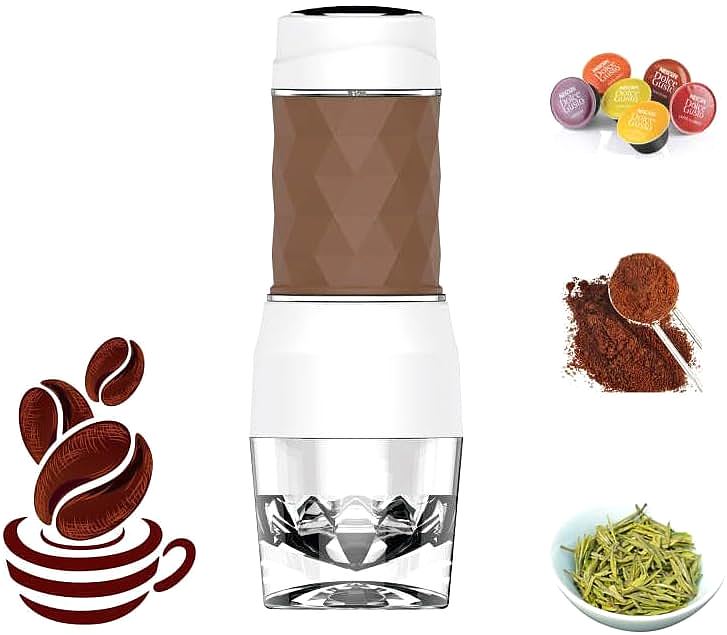
ShareforU HS-8439: Your Portable Espresso Machine for Coffee On-The-Go
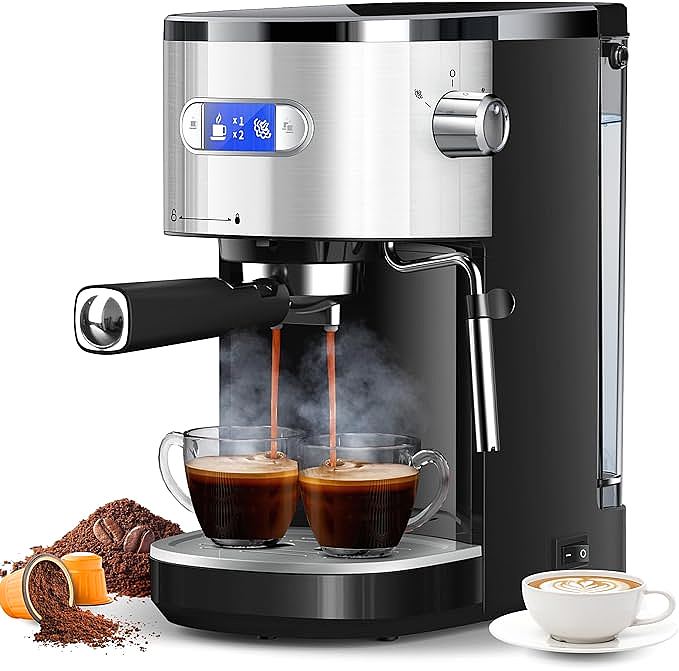
The Unseen Engineering in Your Espresso Cup: A Scientific Look at the COWSAR ...
BRITA Large 10-Cup Water Filter Pitcher: Clean Water for Better Coffee
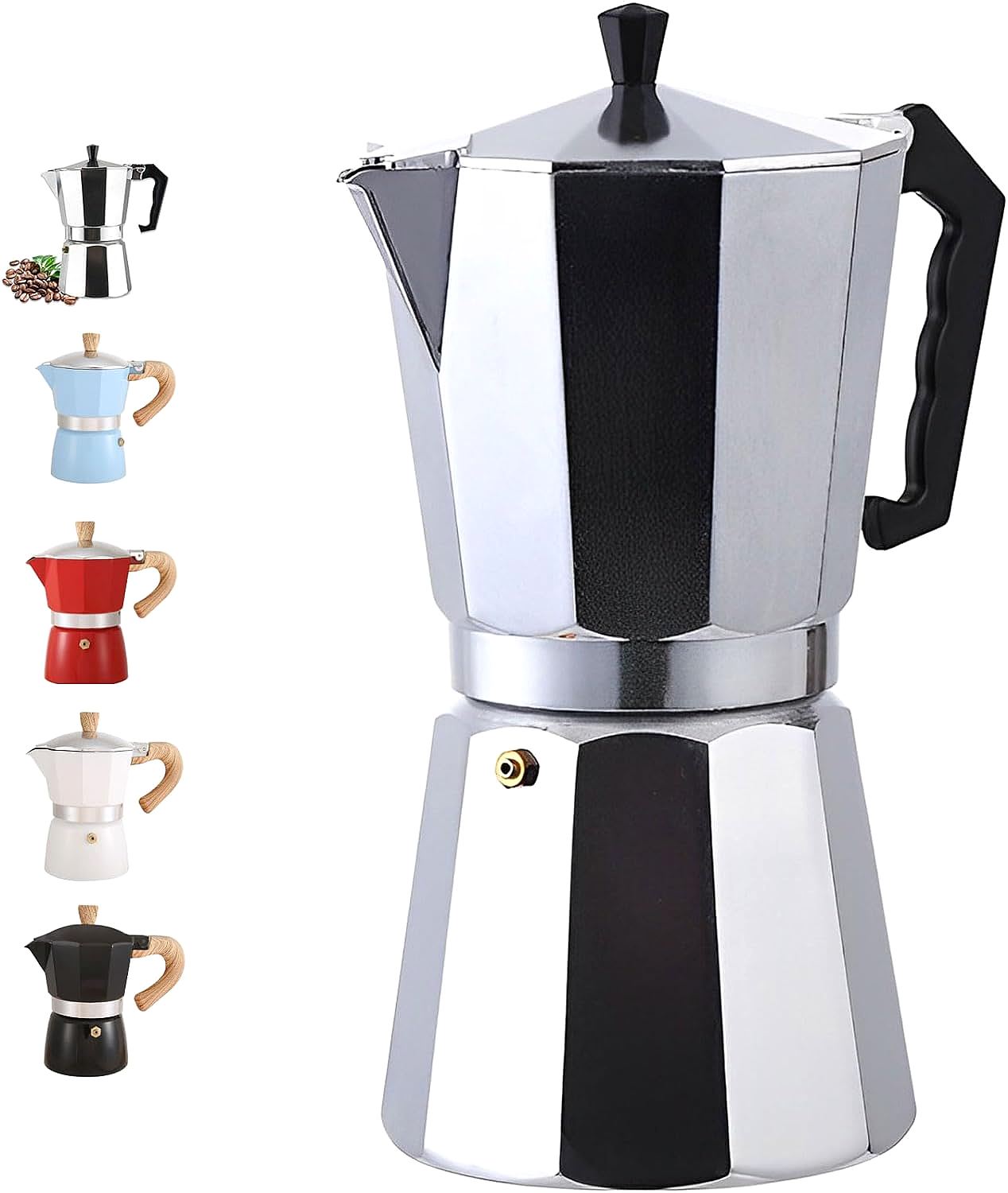
Steam Pressure Physics in Aluminum Moka Pot Brewing
Fire-Maple Orca Vietnamese Coffee Filter: Authentic Phin Brewing, Anywhere

How a Single Cup Coffee Maker K Cup System Masters Brewing Science
