Pot
•
•
23 min read
Steam Pressure Physics in Aluminum Moka Pot Brewing
Amazon Recommended
Check Price on Amazon
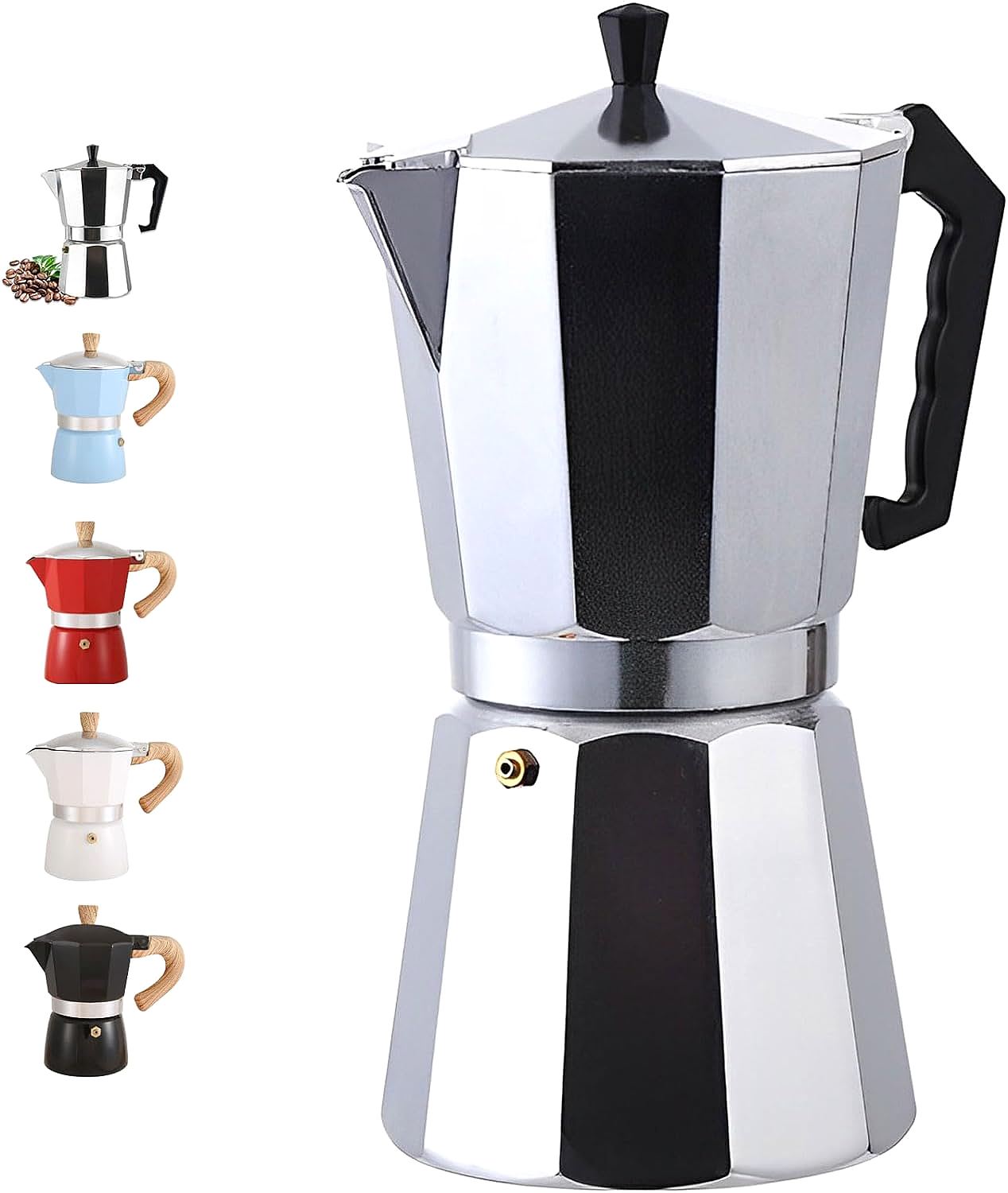
DITOSH 14 Cup 700ML 23oz Aluminum Espresso Stovetop Coffeemaker
The Physics of Pressure-Driven Water Movement The fundamental operating principle behind any stovetop coffee maker rests on a chain of thermodynamic events that begin with the application of heat and end with brewed coffee in the upper chamber. When the water-filled lower boiler receives thermal energy from a stovetop burner, the liquid water molecules absorb this energy and transition into a gaseous state. This phase change from liquid to vapor is the engine that drives the entire extraction sequence, because the steam occupies a volume roughly sixteen hundred times larger than the liquid water from which it formed. The expanding gas, now trapped within the sealed lower chamber, has no path to escape except by pushing downward on the remaining liquid water surface with considerable force. This force, distributed across the water surface area, constitutes the driving pressure of the system, typically reaching between one and two bars in a properly functioning aluminum moka pot steam pressure brewing configuration. The water, now acting as a piston driven by the pressurized vapor above it, is forced into the funnel stem and upward through the coffee basket, where extraction takes place. This mechanical sequence is elegant in its simplicity yet precise in its physical requirements, depending on a narrow operating window of temperature, pressure, and flow resistance to produce consistent results. The pressure generated in the boiler chamber follows the Ideal Gas Law with several important qualifications that distinguish this system from a simple sealed container. As the temperature of the trapped air and water vapor mixture rises, the pressure increases proportionally within the fixed volume of the sealed boiler, following the relationship that pressure is proportional to the product of the number of gas molecules and the absolute temperature. However, the system is not a static closed vessel because water continuously transitions to steam throughout the brewing phase, adding more gas molecules to the fixed volume and further increasing pressure beyond what temperature alone would predict. The steady generation of additional vapor means that the boiler pressure rises along a curve that is steeper than the linear temperature-pressure relationship of a simple gas, with the rate of vapor production governed by the heat input rate from the burner. This compound pressure generation mechanism, combining thermal expansion of existing gas with continuous addition of new vapor, is what gives the moka pot its characteristic flow profile in which the brewing rate accelerates from a gentle start to a vigorous finish. The pressure regime of approximately one to two bars distinguishes the moka pot fundamentally from both drip coffee makers, which operate at ambient pressure, and pump-driven espresso machines, which generate nine bars or more through mechanical means.

Heat Transfer Dynamics Across the Boiler The path that thermal energy takes from the burner flame to the water inside the boiler involves multiple conduction and convection steps, each with its own resistance that collectively determines the overall heating rate. When a gas flame or electric coil heats the base of the pot, thermal energy enters the aluminum wall at the bottom surface and must conduct upward through the material thickness before reaching the water on the inside. Aluminum serves this role effectively because its thermal conductivity measures approximately 237 watts per meter-kelvin, a value that places it among the most conductive metals available at consumer product price points. This high conductivity means that heat spreads laterally across the base of the pot within fractions of a second, preventing the formation of hot spots that would cause localized boiling and uneven pressure generation. The entire approach to aluminum moka pot steam pressure brewing depends on this property of rapid thermal equalization, because uneven base heating translates directly into irregular flow through the coffee bed, producing inconsistent extraction from one brewing session to the next. The thermal pathway must maintain uniform heat distribution from the outside surface of the boiler base through the metal wall and into the water volume to achieve the steady, controlled pressure buildup that produces optimal results. The thickness of the boiler wall introduces a trade-off between heating speed and thermal stability that becomes increasingly consequential as pot capacity increases. A thinner base heats more rapidly, reaching the boiling point and beginning the pressure buildup phase sooner, which appeals to users who prioritize speed in their morning routine. However, thin walls have less thermal mass and are therefore more susceptible to temperature swings caused by fluctuations in burner output or momentary changes in flame contact. A thicker base, by contrast, heats more slowly but provides a stabilizing thermal reservoir that dampens the effects of uneven heating. The larger the pot capacity, the more important this thermal buffering becomes, because the greater water volume requires more total energy input, and maintaining steady heat transfer over a longer brewing period demands a heating surface that resists rapid temperature changes. The fourteen-cup size class, which holds approximately seven hundred milliliters of water, pushes the limits of what a single stovetop burner can heat uniformly, making base thickness and material quality critical design variables. Heat transfer from the boiler to the water occurs through natural convection within
The Phase Change That Powers Extraction At the center of every moka pot's operation is a phase transition that is simultaneously mundane and physically demanding: the conversion of liquid water into water vapor through the absorption of latent heat. This transformation requires approximately 2,260 kilojoules of energy per kilogram of water at atmospheric pressure, an amount that represents the energy needed to break the hydrogen bonds holding water molecules together in the liquid phase. This latent heat requirement means that the water temperature in the boiler remains at approximately 100 degrees Celsius during active boiling at sea level, with all additional heat input going toward vapor production rather than further temperature increase. The rate of steam generation is therefore directly proportional to the rate of heat input from the burner, creating a straightforward control relationship: higher heat equals faster pressure buildup and a more vigorous flow of water through the coffee bed. The physics underlying aluminum moka pot steam pressure brewing are fundamentally governed by this latent heat constraint, which sets a ceiling on how rapidly the system can generate the pressure differential needed to drive extraction regardless of how high the burner is turned up. The steam generated in the boiler is not pure water vapor but a mixture of vapor and air, since the boiler chamber initially contains ambient air that becomes heated alongside the water. As the temperature rises, the partial pressure of water vapor increases according to the Clausius-Clapeyron relation, while the partial pressure of air also rises due to thermal expansion. The total pressure in the chamber is the sum of these two contributions, and both increase as the brewing cycle progresses. The presence of air in the vapor mixture has practical significance because air, unlike steam, does not condense back into liquid when the temperature drops, meaning that the post-brewing cooling phase is dominated by steam condensation while the remaining air slowly cools and contracts. This two-component gas behavior influences both the pressure profile during brewing and the behavior of the safety valve, which must respond to total pressure regardless of its composition. Understanding that the driving gas is a mixture rather than pure steam helps explain why the pressure does not drop immediately when the pot is removed from the heat, as the residual air maintains some pressure until the pot cools substantially. The temperature of the water entering the funnel stem is slightly above
How Basket Geometry Shapes Flow Resistance The coffee basket sits at the intersection of the boiler pressure source and the upper collection chamber, and its internal geometry defines the flow resistance that the pressurized water must overcome to complete the extraction. The basket diameter determines the cross-sectional area of the coffee bed, which in turn sets the flow velocity for a given volumetric flow rate driven by the boiler pressure. A wider basket spreads the same water flow over a larger area, reducing the linear velocity through the coffee bed and extending the contact time between water and grounds. This relationship between basket area and flow velocity means that different moka pot sizes, from three-cup to fourteen-cup capacities, operate with different inherent extraction characteristics even when all other variables are held constant. The larger the basket, the more difficult it becomes to maintain uniform flow distribution across the entire coffee bed area, a challenge that scales with the square of the basket radius. The design constraints of aluminum moka pot steam pressure brewing include the need to match basket dimensions to the expected operating pressure range so that the flow resistance falls within a window that the boiler-generated pressure can overcome without requiring excessively fine grinding or risking channel formation. The depth of the coffee bed, determined by how much ground coffee fills the basket, adds a second dimension to the flow resistance calculation that interacts with the basket diameter in nonlinear ways. A deeper bed provides more flow resistance and longer contact time, which can increase extraction yield but also increases the risk of channeling if the grounds are not uniformly distributed throughout the bed depth. The interplay between bed depth and basket diameter means that pot designers face an optimization problem: capacity increases require either a larger basket diameter, which makes uniform flow harder to achieve, or a deeper basket, which increases the pressure drop and requires higher boiler pressure to drive water through. The standard practice of filling the basket level with the rim, without tamping, represents a practical compromise that produces adequate extraction without demanding the level of grind precision that espresso preparation requires. Tamping a moka pot basket, while occasionally recommended in some guides, increases flow resistance unpredictably and can easily push the required driving pressure beyond what the boiler can generate. The hole pattern in the upper filter plate, through which the brewed coffee exits

Grind Particle Size Distributions and Extraction Kinetics The particle size of the ground coffee controls both the surface area available for extraction and the permeability of the coffee bed, making it the single most important variable that the user adjusts from one brewing session to the next. Coffee ground for moka pot use should be finer than what is used for drip brewing but coarser than what an espresso machine requires, occupying a middle ground that balances extraction efficiency against flow resistance. When the grind is too coarse, the large particles present relatively little surface area to the flowing water, resulting in underextraction that produces weak coffee lacking in body and complexity. The water passes through the bed too quickly because the large interstitial spaces between coarse particles offer minimal resistance to flow. When the grind is too fine, the small particles pack together densely, creating excessive flow resistance that causes the brewing pressure to climb, the flow rate to slow, and the contact time to extend well beyond the optimal extraction window. The result is overextraction characterized by harsh bitterness and astringency that overwhelms the more delicate flavor compounds. Anyone who pursues consistent aluminum moka pot steam pressure brewing results quickly learns that grind adjustment is the most powerful tool for correcting extraction problems, more effective than changing dose, water temperature, or heat input. The particle size distribution, not just the average size, plays a decisive role in extraction behavior because coffee grinds produced by most consumer grinders contain a mixture of particle sizes rather than a uniform population. The presence of fine particles, sometimes called fines, can clog the interstitial spaces between larger particles and dramatically increase the flow resistance of the coffee bed even though they represent a small fraction of the total mass by weight. This sensitivity to the fine fraction explains why two grinds that appear visually similar can produce markedly different extraction results, and why burr grinders, which produce narrower particle size distributions than blade grinders, are strongly preferred for consistent brewing. The difference between a blade-ground coffee with a wide particle distribution and a burr-ground coffee with a tight distribution can be the difference between a smooth, balanced cup and a harsh, muddled one, even when both grinds have the same nominal average particle size. The extraction kinetics governing the dissolution of coffee solubles into the flowing water follow a pattern in which different compound classes extract at different rates during the brewing process. Acids and simple sugars dissolve rapidly during the initial phase of water contact, contributing brightness and sweetness that define the early extraction profile and provide the foundation of the cup's
Thermal Mass, Preheat Strategies, and Temperature Stability The total thermal mass of the assembled moka pot includes the aluminum body, the water charge, and the coffee grounds, and this combined mass determines how much energy must be supplied to bring the system from room temperature to the brewing point and how resistant the system is to temperature fluctuations during the brewing process. An aluminum pot has relatively low thermal mass compared to a stainless steel equivalent of the same dimensions, which means it heats more quickly and responds more rapidly to changes in burner output. This responsiveness is a double-edged characteristic: it allows the operator to make quick adjustments to the brewing rate by modifying the flame, but it also means that the pot is less forgiving of imprecise heat control, since small changes in burner setting translate into significant changes in water temperature and pressure generation rate. The characteristic that makes aluminum the traditional material of choice for these devices, its rapid thermal response, is therefore also the characteristic that demands the most attention from the operator. The strategy of preheating the water before adding it to the boiler chamber has become widely adopted among experienced users as a method of reducing the total time the coffee grounds spend in contact with the warming pot during the heating phase. When cold water is used, the entire assembly must heat from room temperature to boiling, a period that can last several minutes during which the coffee grounds sit in the basket above the gradually warming water, exposed to rising heat that can begin extracting volatile aromatic compounds before the actual brewing flow begins. Preheated water, added to the boiler at a temperature near boiling, reduces this pre-extraction exposure and produces a cleaner flavor profile with more distinct aromatic notes that reflect the coffee's origin and processing rather than the thermal history of the brew cycle. For large-capacity pots, where the thermal mass and heat-up time are both substantial, the benefit of preheating is particularly pronounced, and the difference between a cold-start and a preheated-start brew can be immediately apparent in the cup even to a casual taster. Temperature stability during the active brewing phase depends on the balance between heat input from the burner and heat loss from the pot surfaces to the surrounding air.
Pressure Relief, Safety Valves, and System Integrity Every sealed vessel that generates internal pressure during operation must incorporate a means of safely releasing that pressure if it exceeds design limits, and the moka pot addresses this requirement with a spring-loaded safety valve located in the wall of the boiler chamber. This valve is designed to open at a pressure threshold that is well below the burst pressure of the aluminum body but above the normal operating pressure range, typically set to between three and four bars as a safety margin above the one to two bars of normal operation. If the coffee bed becomes completely blocked, whether from excessively fine grinding, overfilling the basket, or a clogged filter plate, the internal pressure will continue to rise as steam generation proceeds, and the safety valve opens to vent steam and prevent catastrophic failure of the pot body. The presence and proper function of this valve is an essential safety feature that should be checked periodically by gently lifting the valve stem to confirm that it moves freely and is not stuck in place by accumulated coffee residue or mineral deposits from hard water. The seal between the boiler and the upper chamber, created by a rubber or silicone gasket compressed between the two halves when the pot is screwed together, must maintain its integrity under the full operating pressure of the brewing cycle without leaking or deforming. A gasket that has hardened through repeated thermal cycling, cracked from age, or taken a permanent compression set will allow steam and hot water to escape at the joint rather than being directed through the intended flow path. This leakage not only reduces the pressure available to drive water through the coffee bed, producing weak and under-extracted coffee, but also creates a safety hazard from escaping steam near the operator's hands during use. Gasket replacement is a routine maintenance task that should be performed at the first sign of leakage, since a failed gasket compromises both brew quality and user safety. The threaded connection between the boiler and upper chamber serves the dual function of compressing the gasket to create the seal and holding the pot together against the internal pressure, and the threads should be kept clean and free of coffee residue to ensure a secure connection with moderate tightening force rather than requiring excessive torque. The structural integrity of the aluminum body itself depends on the wall thickness and the absence of defects such as casting voids or cracks that could propagate under repeated thermal cycling throughout the pot's service life. Aluminum, while strong and lightweight for its cost, undergoes thermal expansion and contraction with each heating and cooling cycle, and over years of daily use this cyclic stress can cause

Scaling Behavior in Large-Capacity Vessels When a moka pot design is scaled from a small three-cup capacity to a large fourteen-cup capacity, the relationships between the physical parameters that govern brewing performance do not scale linearly, and these nonlinear scaling effects become increasingly significant as capacity increases toward the upper end of the size range. The water volume scales with the cube of the linear dimensions, meaning that doubling the pot's height and diameter would produce an eightfold increase in capacity, far outstripping the capacity range that the stovetop form factor can practically accommodate. The base area, which determines the heat transfer surface in contact with the burner, scales with the square of the diameter, so the heat input path grows more slowly than the water volume it must serve. This geometric mismatch between volume scaling and area scaling means that large-capacity pots require more heat input per unit of water volume than small pots, or alternatively require longer heating times to reach the brewing point, because the base area per unit of water volume decreases as pot size increases. The DITOSH 14-cup pot, with its seven hundred milliliter capacity, operates in a size regime where this scaling effect is significant and must be compensated for by the operator through adjusted heat management practices. The flow path length from the boiler through the funnel stem to the coffee basket also increases with pot size, and the additional column height of water in the funnel requires a corresponding increase in boiler pressure to overcome the greater hydrostatic head of the taller water column. In a small three-cup pot, the water column height in the funnel might be three or four centimeters, requiring only a modest pressure differential above ambient to lift the water through the coffee bed. In a large fourteen-cup pot, the water column height can exceed ten centimeters, demanding proportionally higher pressure to initiate and sustain flow through the system. This increased pressure requirement interacts with the heat transfer scaling issue to create a challenging design problem: the larger pot needs higher pressure, which requires higher temperature and more vigorous steam generation, but the relative heat transfer surface area has decreased with size, making it harder to deliver the
The Role of Coffee Bed Saturation and Pre-Infusion Before the main extraction flow begins, a brief but chemically significant period occurs during which the initial surge of hot water contacts the dry coffee grounds and begins to saturate the coffee bed from the bottom upward. This pre-infusion phase, lasting perhaps two to five seconds in a typical brewing cycle depending on the heat input rate and the grind characteristics, allows the coffee particles to swell as they absorb water and begin releasing trapped carbon dioxide gas that was generated during the roasting process and subsequently dissolved into the cellular structure of the beans. If the full brewing pressure were applied to a completely dry coffee bed without this gradual wetting period, the water would find preferential paths through the dry grounds and create persistent channels that would continue to carry the majority of the flow throughout the extraction, leaving substantial portions of the coffee bed effectively unextracted. The gradual onset of flow that the moka pot's pressure buildup naturally provides gives the dry coffee bed time to become evenly wetted before the full flow rate develops, which is a subtle but significant advantage of the steam-pressure-driven design over pump-driven systems that apply full pressure instantly. The degree of saturation achieved during the pre-infusion period depends on the rate of pressure buildup in the boiler, which in turn depends on the heat input rate selected by the operator. A high flame produces rapid boiling and a sudden pressure surge that forces water through the coffee bed before the grounds have had adequate time to absorb water and swell, increasing the likelihood of channeling and producing uneven extraction with both under-extracted and over-extracted regions in the same bed. A moderate flame produces a more gradual pressure buildup that extends the effective pre-infusion period, allowing the coffee bed to become thoroughly and uniformly saturated before the main extraction flow begins in earnest. This relationship between heat input and pre-infusion quality is one of the central reasons that a patient, moderate-heat approach consistently produces better results than a rushed, high-heat approach, even though both methods eventually deliver brewed coffee to the upper chamber. One of the defining characteristics of aluminum moka pot steam pressure brewing is this coupling between the heating rate and the pre-infusion quality, a coupling that does not exist in systems where pressure is generated independently of the operator's heat management. The release of carbon dioxide from freshly roasted coffee during pre-infusion has both physical and chemical significance for the extraction that follows. The gas bubbles that escape from the coffee particles as they become wetted create temporary voids in the coffee bed that must collapse as water fills the interparticle spaces, and the rate at which this
Temperature Profiling Across the Brewing Cycle The water temperature delivered to the coffee bed is not constant throughout the brewing cycle but follows a profile that starts near the boiling point of water under the prevailing pressure conditions and changes as the brewing progresses and the water volume remaining in the boiler decreases. At the beginning of the flow, when the boiler is nearly full and the steam pocket above the water is small, the water entering the funnel stem is at a temperature very close to the boiling point at the operating pressure, approximately 100 to 105 degrees Celsius at the one to two bars generated during normal operation. As brewing proceeds and the water level in the boiler drops, the steam pocket above the remaining water expands in volume, and the water at the bottom of the boiler, where the funnel stem intake is located, may be slightly cooler than the boiling water at the top of the liquid column due to thermal stratification within the boiler. This modest temperature decline through the brewing cycle means that the initial portion of the brew is extracted at a slightly higher temperature than the final portion, contributing to a layered extraction profile in which early-extracted compounds are drawn at higher energy and later compounds at slightly lower energy. The thermal environment of the coffee basket itself changes measurably during the brewing cycle as the metal components surrounding the coffee absorb heat from the rising steam and the hot water flowing through the system. The basket walls, initially at or near room temperature when the pot is first assembled, heat up rapidly as the first water passes through, and by the midpoint of the brewing cycle they may approach the temperature of the flowing water within a few degrees. This heating of the basket walls reduces the temperature drop that the water experiences as it passes through the coffee, potentially increasing the effective extraction temperature in the later stages of the brew compared to what would be expected from the boiler water temperature alone. The thermal mass of the basket and its supporting structure thus functions as a temperature-stabilizing element that partially offsets the declining boiler
Maintenance, Mineral Deposition, and Long-Term Material Behavior The minerals dissolved in tap water, primarily calcium and magnesium carbonates along with smaller amounts of other salts, precipitate out of solution when water is heated and boiled repeatedly inside the moka pot boiler, forming scale deposits that accumulate progressively on the interior surfaces of the lower chamber over weeks and months of regular use. These mineral deposits have significantly lower thermal conductivity than the aluminum walls they adhere to, creating an insulating layer between the burner heat and the water that reduces the efficiency of heat transfer and extends the time required to reach the boiling point at any given burner setting. Scale buildup on the interior of the funnel stem and the boiler walls also reduces the internal volume of the water chamber, altering the water-to-coffee ratio from the designed value and potentially affecting both extraction strength and the total brewed volume. Regular descaling with a mild acid solution, such as diluted white vinegar at roughly one part vinegar to two parts water or a solution of citric acid at approximately one tablespoon per liter of water, removes these mineral deposits and restores the thermal performance and volumetric accuracy of the pot to near-original specifications. The aluminum surface inside the boiler and the upper chamber develops a patina of oxidized coffee oils over time, a dark coating that forms gradually as the aluminum reacts with acidic compounds in the coffee during repeated brewing cycles and as coffee oils polymerize on the metal surface. This patina, unlike mineral scale deposits, is not detrimental to brewing performance and may actually improve the flavor of the brewed coffee by passivating the aluminum surface and preventing direct contact between the reactive metal and the acidic coffee solution that passes through the pot during each brewing cycle. The traditional advice against scrubbing an aluminum moka pot with abrasive cleaners, steel wool, or putting it in a dishwasher is rooted in this materials science understanding: mechanical scrubbing removes the protective patina and exposes fresh, reactive aluminum that will interact with the next batch of coffee, potentially imparting a metallic taste that can take several brewing cycles to subside as the patina redevelops. A rinse with warm water immediately after each use, followed by thorough drying with a soft cloth to prevent water spot formation and uneven oxidation, is sufficient to maintain a clean and properly seasoned pot over years of regular service. The gasket and filter plate assembly at the joint between the boiler and the upper chamber requires periodic disassembly for thorough cleaning, since coffee oils and fine particulate matter accumulate in the threads and around the gasket seating surface over time, potentially interfering with the quality of the pressure seal. The filter plate, which is perforated with numerous small holes through which the brewed coffee passes on its way to the upper chamber, can become partially clogged over months of use as coffee oils polymerize and harden within the holes, progressively restricting flow and increasing the backpressure that
visibility
This article has been read 0 times.
Amazon Recommended
Check Price on Amazon
DITOSH 14 Cup 700ML 23oz Aluminum Espresso Stovetop Coffeemaker
Related Essays
Amazon Deal
How Stovetop Espresso Maker Heat Transfer Shapes Your Morning Coffee
July 23, 2026
21 min read
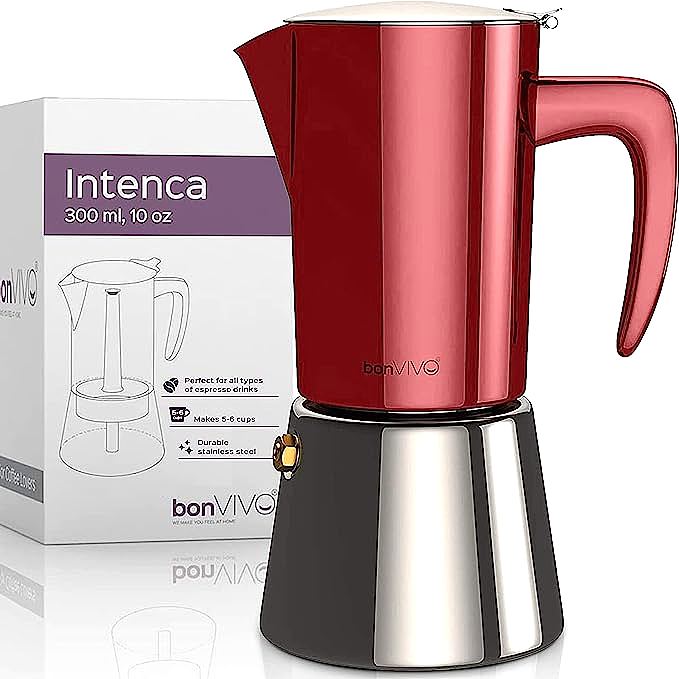
bonVIVO Intenca Stovetop Espr…
Amazon Deal
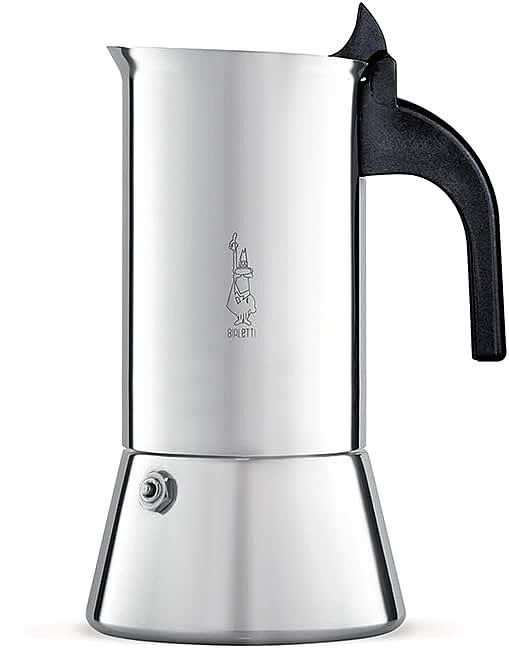
Stovetop Moka Pot Brewing Method: The Science Behind Steam-Powered Extraction
July 23, 2026
17 min read
Bialetti Venus Induction 4 Cu…

Amazon Deal
BRITA Large 10-Cup Water Filter Pitcher: Clean Water for Better Coffee
August 21, 2026
13 min read
BRITA Brita Large 10-Cup Wate…

Amazon Deal
Arzum AR3072-UL Tea Tock: Brew Authentic Turkish Tea | Electric Tea Maker Science
August 18, 2026
15 min read
Arzum AR3072-UL Tea Tock Elec…

Amazon Deal
Chefman RJ54-SS-15 Espresso Machine: Your At-Home Barista for Perfect Coffee
August 18, 2026
6 min read
Chefman RJ54-SS-15 6-in-1 Esp…
Amazon Deal
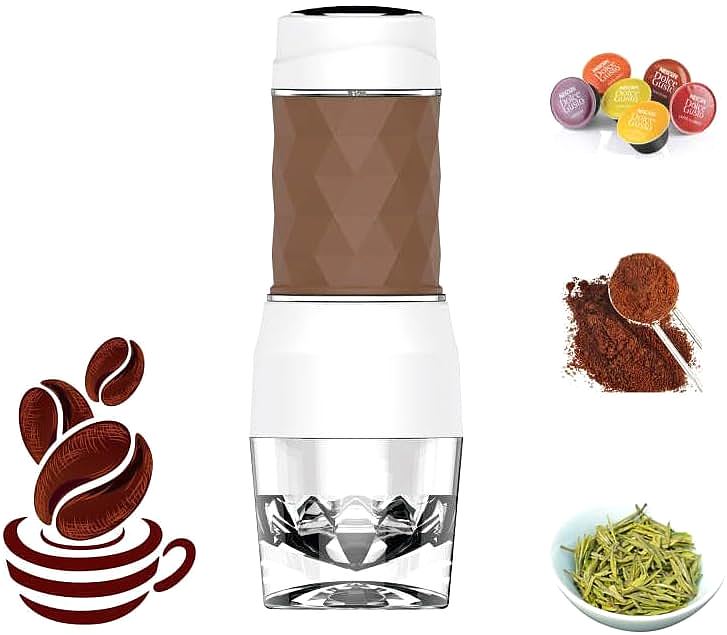
ShareforU HS-8439: Your Portable Espresso Machine for Coffee On-The-Go
August 18, 2026
8 min read
ShareforU HS-8439 Mini Espres…
Amazon Deal
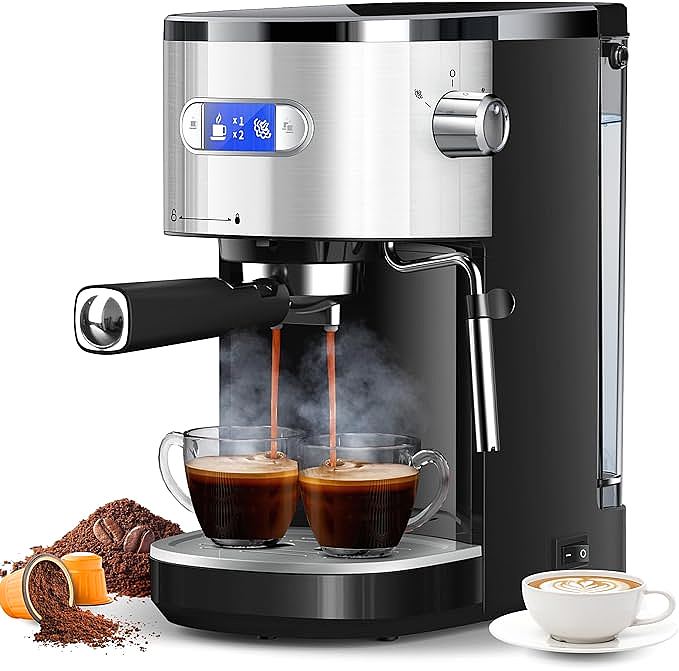
The Unseen Engineering in Your Espresso Cup: A Scientific Look at the COWSAR ...
August 18, 2026
7 min read
COWSAR CM8054 20 Bar Espresso…

Amazon Deal
KitchenAid KCM1208DG Spiral Showerhead Coffee Maker: An Independent Deep Dive
August 18, 2026
15 min read
KitchenAid KCM1208DG Drip Spi…
Amazon Deal
BRITA Large 10-Cup Water Filter Pitcher: Clean Water for Better Coffee
August 18, 2026
14 min read
BRITA Brita Large 10-Cup Wate…
Amazon Deal
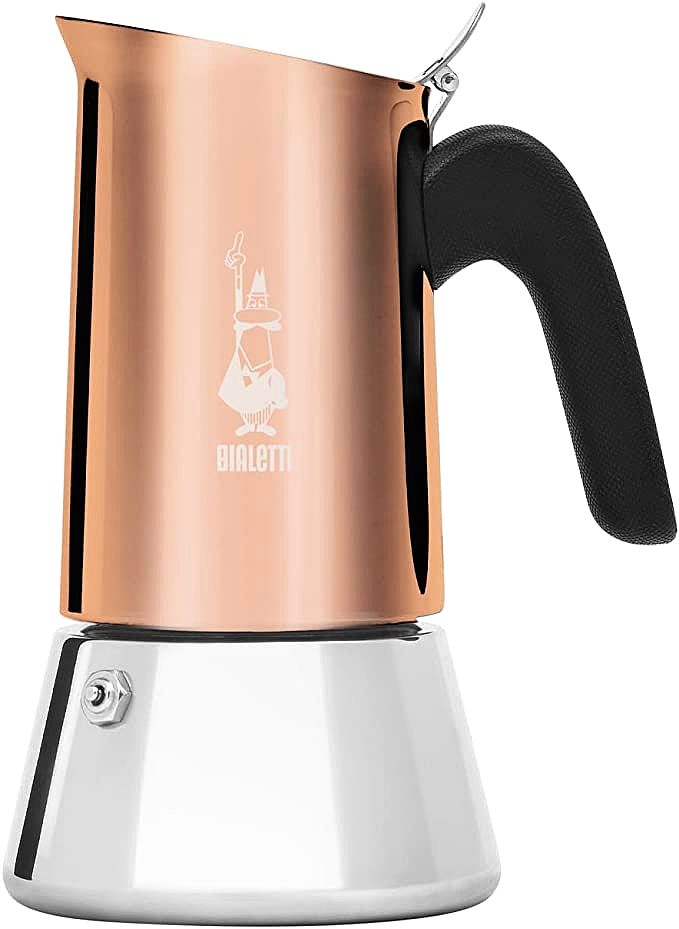
The Engineering Behind Induction Compatible Stovetop Espresso Brewing
August 17, 2026
21 min read
Bialetti New Venus Induction …