Mcilpoog Milk Jar for ws-203 & ES317 | Convenient Coffee Milk Storage
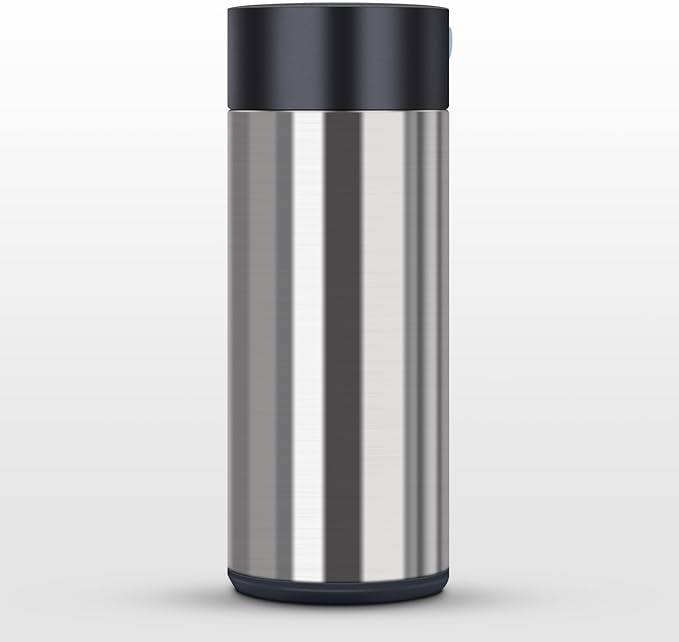
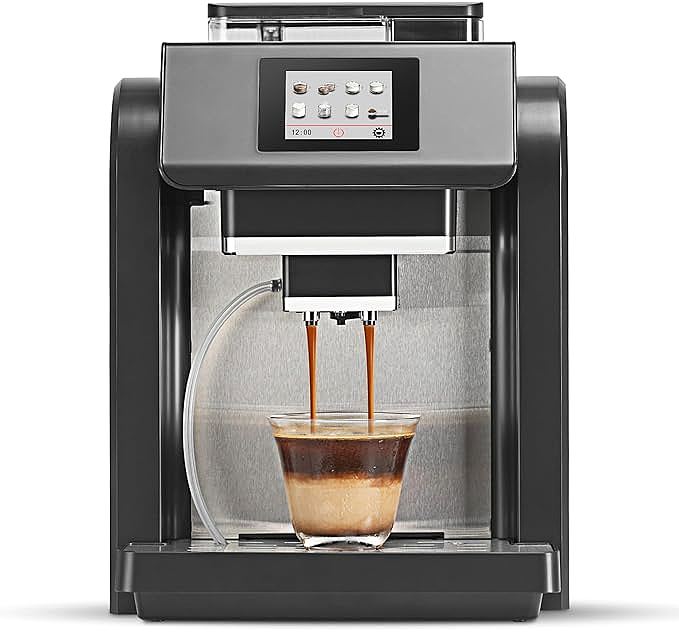
Mcilpoog ws-203 Automatic Coffee Maker Milk Container
Why Milk Storage Matters for Your Automatic Coffee Machine
The journey from bean to cup involves more steps than most home baristas consider. While much attention goes to the grinder setting or water temperature, the path milk takes from refrigerator to frothed perfection deserves equal scrutiny. An automatic coffee maker like the Mcilpoog ws-203 or ES317 depends on a clean, consistent milk supply - and how you store that milk between uses directly impacts both flavor and equipment longevity.
Milk is one of the most perishable ingredients in a kitchen. Its protein structure and sugar content create an ideal environment for bacterial growth when temperatures fluctuate. Every time you pour milk from a carton into a temporary vessel, you introduce additional surfaces for contamination and expose the milk to warmer air. This is where a dedicated milk container changes the routine.
The Temperature Stability Challenge
Automatic milk frothers work best when milk starts at a consistent cold temperature. When milk sits in an open carton or transfers through multiple containers, temperature swings occur. The exterior warms faster than the interior, creating layers of varying viscosity. This affects how the frothing mechanism processes the liquid - warmer milk froths differently than cold milk, and the inconsistency shows up in your cup.
A dedicated storage container solves this by giving milk a single, stable vessel. You pour once from the carton, seal it, and place it directly in the refrigerator. When you make coffee, the milk goes straight from cold storage to the frothing system without intermediate steps. The temperature remains uniform throughout, which means more predictable frothing results every time.
Hygiene and Residue Buildup
Milk residue clings to surfaces. Even when a container appears clean after rinsing, microscopic proteins and fats remain embedded in porous materials or uneven surfaces. Over repeated use, this residue accumulates and begins to sour. The bacteria feeding on these residues produce acids that alter flavor - a subtle tang that translates directly into your coffee.
A purpose-built milk jar typically features a smooth, non-porous interior surface designed for thorough cleaning. The narrow opening reduces exposure to kitchen air and contaminants. When properly sealed, the container limits oxidation, which slows bacterial growth and preserves freshness longer than an open or loosely covered vessel.
For the ws-203 and ES317 systems specifically, the original equipment manufacturer designs the milk jar to match the intake tube diameter and flow rate. Using a container with incompatible dimensions can introduce air into the line or restrict flow, causing the frother to work harder and produce inconsistent results.

Material Considerations
The material composing your milk container affects both durability and taste neutrality. Metal containers, particularly those lined with food-safe interiors, offer excellent temperature retention and resist odor absorption. Glass provides visibility for monitoring milk levels but conducts temperature more readily, meaning the milk inside responds faster to external temperature changes when the container moves between refrigerator and counter.
Plastic options vary widely in quality. Food-grade plastics that are BPA-free and designed for dairy contact resist staining and do not leach compounds into the milk. However, plastic can develop micro-scratches over time from cleaning, and these scratches become hiding places for residue. Metal and glass surfaces maintain their smoothness longer under regular cleaning.
The metal milk jar designed for the ws-203 and ES317 uses a metal construction that balances these factors - durable enough for daily use, smooth enough to clean thoroughly, and compatible with the cold chain your milk needs.
Convenience in the Morning Routine
The morning coffee ritual involves multiple steps performed under time pressure. Every decision point - where to store the milk, how to pour it, whether the container is clean - adds friction to an already busy sequence. A dedicated milk jar simplifies this by becoming a permanent part of the workflow.
Instead of retrieving a carton, finding a temporary vessel, pouring, and then washing both containers, you operate from a single dedicated unit. The jar sits in the refrigerator door where milk temperature stays most stable. When you need milk for your coffee, you remove the jar, attach it to the machine, and froth. After use, you rinse it and return it to the same spot. The routine becomes mechanical and reliable.
This convenience extends beyond speed. Reducing the number of steps in your morning process reduces the chance of skipping a cleanliness step. When the routine is simple, you are more likely to maintain it consistently - and consistency is what keeps your equipment running well and your coffee tasting right.

Compatibility with Automatic Systems
Automatic coffee makers with integrated milk systems have specific requirements for their accessory components. The ws-203 and ES317 models are engineered around a particular milk container design. The jar dimensions, lid seal, and connection interface are matched to the machine's intake mechanism.
Using third-party containers that approximate the original size may seem acceptable, but subtle differences in opening diameter or lid seal can affect performance. Air leaks at the connection point reduce frothing efficiency. An imperfect seal allows contamination from the surrounding environment to enter the milk supply line. These issues compound over time, leading to gradual degradation in froth quality and increased maintenance needs.
The original equipment milk jar is tested and verified for compatibility with both the ws-203 and ES317. Its design ensures a proper seal, correct flow characteristics, and ease of attachment and removal - all factors that contribute to reliable daily operation.
Cleaning and Maintenance
Any milk container requires regular cleaning to prevent residue buildup and bacterial growth. The frequency depends on usage intensity. For daily coffee makers, a thorough clean every one to two days prevents the accumulation that leads to off-flavors and potential health concerns.
The smooth interior of a metal milk jar responds well to warm soapy water and a soft brush. Avoid abrasive pads that scratch the surface, as scratches harbor residue. Rinse thoroughly to remove all soap, then allow to air dry completely before sealing and returning to refrigeration. Moisture trapped in a sealed container creates conditions favorable to bacterial growth.
For deeper cleaning, a diluted vinegar solution can remove mineral deposits and residual oils that soap alone may not address. Rinse extensively afterward. Some users also run a cycle of warm water through the attached machine tube after removing the jar, ensuring the entire milk path stays clean.

Cost and Value Perspective
At approximately twenty-seven dollars, a dedicated milk jar represents a modest investment in your coffee routine. When evaluated against the cost of wasted milk from spoilage, the expense of machine maintenance caused by poor hygiene, or the degradation of coffee quality from inconsistent milk handling, the value becomes clear.
A container that extends milk freshness by even a day or two pays for itself in reduced waste. A container that keeps your frothing system running cleanly avoids repair costs that far exceed the jar price. And a container that improves the consistency of your milk-based drinks enhances the daily experience that brought you the automatic coffee maker in the first place.
Practical Usage Tips
Fill the jar no more than three-quarters full to allow space for frothing action and to prevent overflow during the mixing process. Pour milk directly from the carton into the jar - avoid transferring through other vessels. Store the sealed jar in the main body of the refrigerator rather than the door, where temperature fluctuates more with each opening.
If you notice any off odor or unusual texture in the milk, discard it and clean the jar thoroughly before refilling. Do not attempt to mask spoiled milk by mixing it with fresh milk - the bacteria and their byproducts are already distributed throughout the volume.
When not in use for extended periods, such as during travel or seasonal reduction in coffee consumption, clean and dry the jar completely before storage. This prevents any residual moisture from developing issues while the container sits idle.

Summary
The milk container in an automatic coffee system is more than a holding vessel - it is a component that affects temperature stability, hygiene, frothing consistency, and overall machine performance. A dedicated jar designed for the ws-203 and ES317 addresses these factors through compatible dimensions, durable construction, and a seal that protects the milk between uses.
For anyone who values consistent coffee quality and wants to reduce the friction in their morning routine, investing in the right milk storage solution is a practical step. It keeps milk fresher longer, protects your machine from residue-related issues, and simplifies the process from refrigerator to cup.
Mcilpoog ws-203 Automatic Coffee Maker Milk Container
Related Essays

The Indestructible Coffee Maker: A Lesson in Longevity from the Krups 963

The Desktop Barista: Deconstructing the Engineering of Dr. Coffee H2

Chefman RJ54-SS-15 Espresso Machine: Your At-Home Barista for Perfect Coffee
The Gaggia Brera: A Beginner's Guide to the Science of a Perfect Espresso Shot
The Unseen Engineering in Your Espresso Cup: A Scientific Look at the COWSAR ...
L'OR Barista Review: Technical Analysis of Single-Serve Espresso
Mcilpoog ES317 : The Science of Great Espresso at Home, Automatically
The Gaggia Brera: A Beginner's Guide to the Science of a Perfect Espresso Shot
The Engineering Logic Inside Every Dual Brew Coffee Maker Single Serve Appliance
