The Physics of the Stovetop: Why Pressure Matters in Analog Brewing
Update on Dec. 18, 2025, 8:23 p.m.
In the high-tech world of PID-controlled espresso machines and precision pour-over kettles, the humble stovetop coffee maker stands as a monument to analog physics. It possesses no pumps, no sensors, and no electronics. Instead, it relies on the elemental forces of heat, water, and pressure to perform its alchemy.
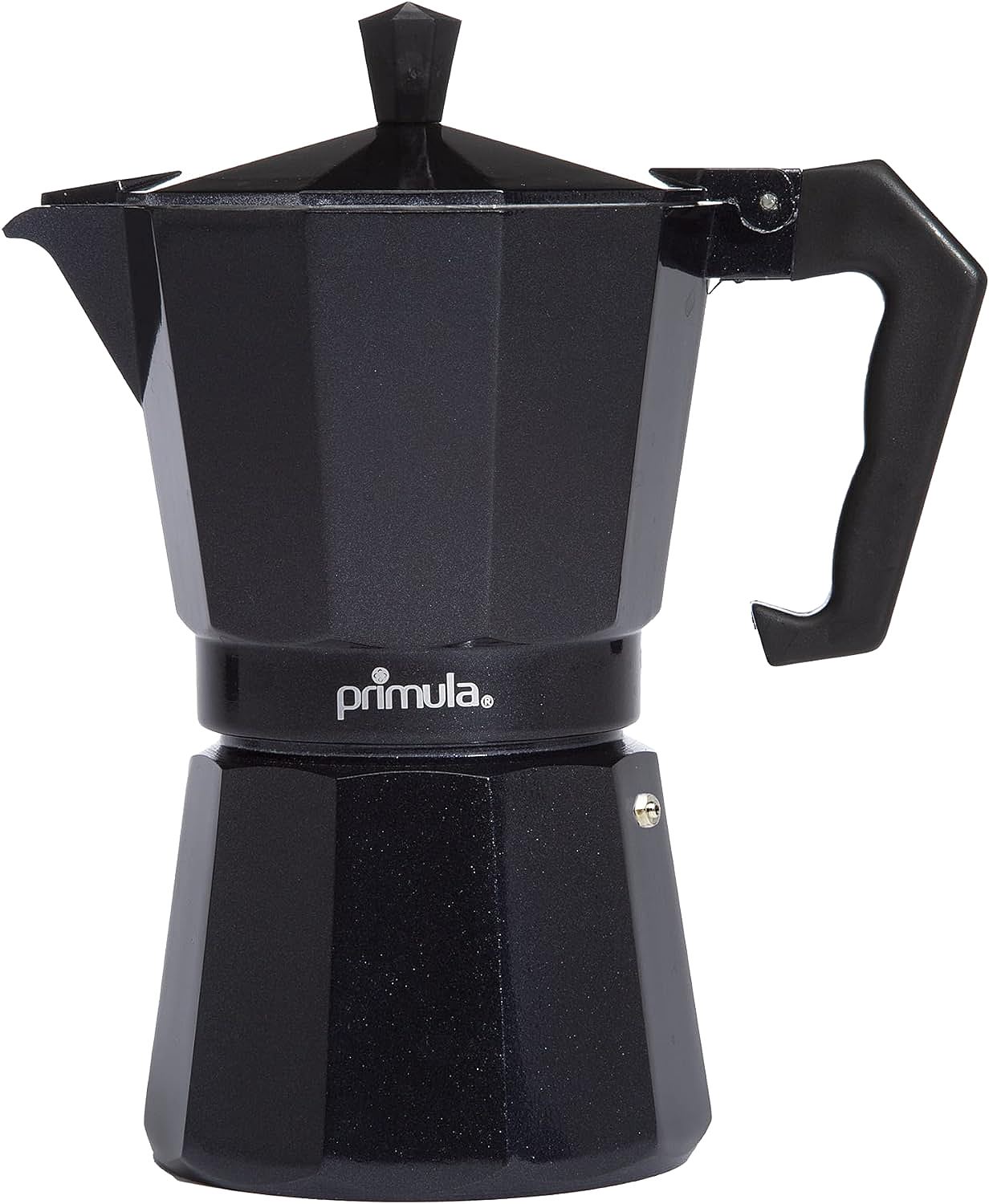
While often grouped with espresso, the coffee produced by a device like the Tissting 500ml Moka Pot is technically distinct. It occupies a unique “middle ground” in the spectrum of extraction—stronger and more viscous than drip coffee, yet less concentrated than 9-bar espresso. Understanding the fluid dynamics inside this steel vessel reveals why this method has survived for nearly a century and why, for many, it remains the superior way to brew.

The Engine of Extraction: Vapor Pressure
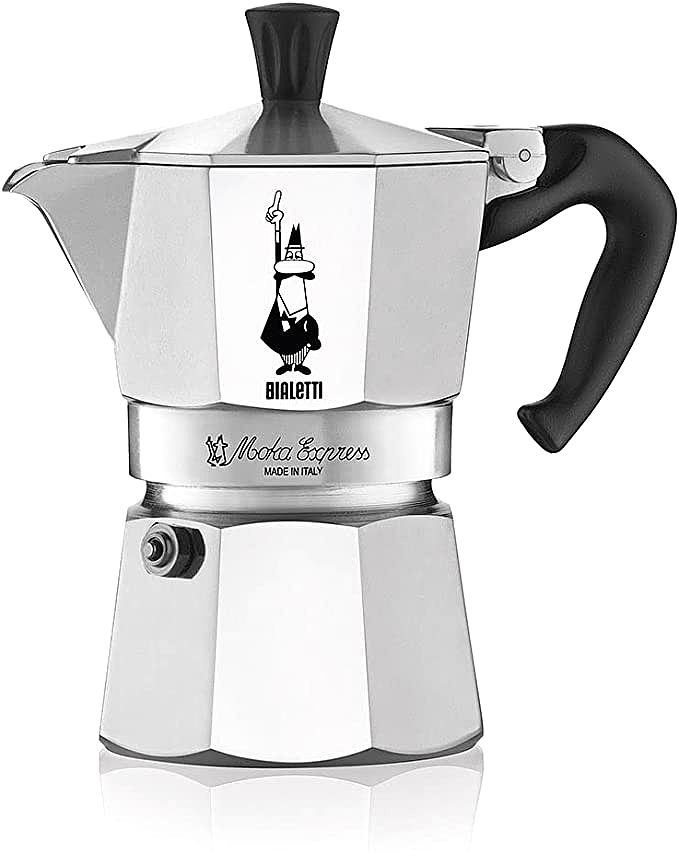
The operating principle of the stovetop pot is a masterclass in thermodynamics. It functions as a rudimentary steam engine.
1. The Boiler: The bottom chamber is filled with water and placed on a heat source.
2. Phase Transition: As the water heats, some of it transitions into steam. In a sealed container, steam takes up vastly more space than liquid water.
3. Pressure Buildup: Since the steam is trapped between the water surface and the coffee basket, it exerts pressure.
4. Displacement: This pressure pushes down on the liquid water, forcing it up the only escape route: the funnel tube that leads through the coffee grounds.
Unlike an espresso machine that uses a mechanical pump to generate 9 bars (130 PSI) of pressure, a stovetop pot typically generates about 1.5 to 2 bars (20-30 PSI). This distinction is crucial. This lower pressure is sufficient to emulsify some oils (creating a light foam), but not enough to create the thick, persistent crema of modern espresso. It results in a cup that is rich in heavy colloids and dissolved solids, offering a mouthfeel that is robust and “chewy,” distinct from the tea-like clarity of filter coffee.
The Temperature Gradient and “Burnt” Coffee
A common criticism of stovetop brewing is that the coffee can taste burnt or metallic. This is often a misunderstanding of the physics involved. * The Boiling Point: Water boils at 100°C (212°F) at sea level. However, under pressure, the boiling point rises. In a pressurized Moka pot, water can reach temperatures slightly above 100°C. * The Extraction Window: Ideally, coffee should be brewed between 90°C and 96°C. If the water gets too hot, it extracts bitter tannins and dry distillates from the grounds.
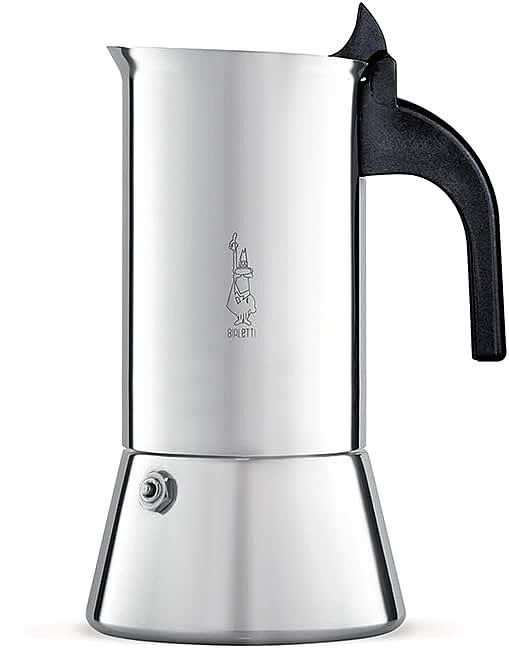
The design of the Tissting pot—specifically its stainless steel construction—plays a role here. Stainless steel has a lower thermal conductivity than aluminum. This means the heat from the stove is transferred more slowly and arguably more evenly to the water. It provides a slightly wider window of control for the user to remove the pot from the heat source before the water effectively boils through the coffee, preventing that harsh, “cooked” flavor profile.
The Single Spout: A Study in Fluid Dynamics
Most traditional Moka pots feature an upper chamber that collects the brewed coffee. The Tissting model features a “Single Spout” or “Fountain” design. This is not merely an aesthetic choice; it changes the thermal profile of the finished beverage.
In a standard pot, the coffee travels up a long riser tube and spills into a large, cold metal chamber. This large surface area acts as a heatsink, rapidly cooling the first few ounces of coffee.
In the single spout design, the coffee travels up and is immediately dispensed into the waiting cup (or the included 220ml vessel).
* Thermal Retention: The coffee hits the cup hot, with less contact time with intermediate metal surfaces.
* Visual Feedback: The fountain design allows the user to see the exact moment the extraction phase changes. You can see the rich, dark liquid turn into a pale, sputtering steam (the “Strombolian phase”). This visual cue is the signal to stop the brewing immediately to avoid bitterness. It turns the brewing process into a visually responsive feedback loop.

The Role of Grind Size in Pressure Regulation
In a machine without a mechanical pump, the coffee grounds themselves act as the flow restrictor. The grind size determines the resistance. * Too Fine: The resistance is too high. The pressure required to push water through might exceed the safety valve’s limit, venting steam harmlessly but brewing nothing. Or, the water will force its way through slowly, over-extracting and becoming bitter. * Too Coarse: The water rushes through with little resistance. No pressure builds up, and the result is sour, weak, brown water.
For a 500ml pot like the Tissting, which holds a substantial amount of coffee, the grind consistency is paramount. The larger coffee bed offers more cumulative resistance. Therefore, a grind slightly coarser than espresso—more like table salt—is often the sweet spot. This allows the 1.5 bars of vapor pressure to push the water through at a steady pace, extracting the sweet sugars and oils without choking the system.
Conclusion: The Analog Advantage
In an era of automation, the stovetop pot remains relevant because it places the user in direct conversation with the laws of physics. You control the heat input; you control the grind resistance; you control the termination point.
The Tissting 500ml Moka Pot is a vessel for this analog engagement. By understanding the vapor pressure engine at its core, users can manipulate the variables to produce a cup that is not just “strong coffee,” but a nuanced, rich, and scientifically fascinating beverage. It is a reminder that great coffee doesn’t require microchips; it just requires a basic understanding of how heat moves water.