Vacuum Extraction Dynamics: Defying Gravity in Coffee Brewing

Kendal ZH-SCM11-FBA Glass Tabletop Siphon Coffee Maker
The visual spectacle of a siphon brewer in operation often overshadows the rigorous physics governing its function. What appears to be an esoteric, 19th-century parlor trick is, in reality, a precise application of thermodynamics and fluid mechanics. To move water against gravity, saturate a biological matrix, and then forcibly filter the resulting suspension without the aid of mechanical pumps requires a delicate manipulation of atmospheric pressure and vapor expansion.
By deconstructing the operation of a standard vacuum apparatus—such as the Kendal ZH-SCM11-FBA Glass Tabletop Siphon—we can strip away the aesthetic romance and analyze the strict physical laws that dictate this unique extraction method.

Why Does Water Flow Uphill?
The fundamental engine of the siphon brewer is the manipulation of gas expansion within a sealed environment. The apparatus consists of a lower spherical chamber and an upper cylindrical chamber, connected by a narrow central tube. When the upper chamber is seated, a silicone gasket forms a hermetic seal between the two vessels.
The process begins by applying external thermal energy (via an alcohol or butane burner) to the liquid water in the lower chamber. As the water absorbs heat, its temperature ($T$) rises. This increase in thermal kinetic energy causes water molecules to transition from a liquid to a gaseous state (water vapor).
Because the lower chamber is sealed by the gasket and the water sitting in the central tube, this newly generated gas cannot escape into the atmosphere. The system is governed by the Ideal Gas Law ($PV = nRT$). As the temperature ($T$) and the amount of gas ($n$) increase within the fixed volume ($V$) of the lower globe, the internal pressure ($P$) must increase proportionally.
This rising vapor pressure exerts a downward force on the surface of the liquid water. Water, being an incompressible fluid, seeks the path of least resistance to escape the expanding gas. The only available exit is upward, through the central tube. The vapor pressure literally pushes the fluid against the force of gravity, transferring it into the upper chamber where the dry coffee grounds await.
The Physics of the Immersive Plateau
Once the liquid has ascended, the system enters a phase of critical thermal stability. The water in the upper chamber does not boil. The continuous application of heat to the lower chamber maintains just enough vapor pressure to hold the liquid aloft, allowing steam to continuously bubble up through the central tube.
This creates a highly turbulent, full-immersion extraction environment. The temperature of the water in the upper chamber stabilizes perfectly between 195°F and 200°F (90.5°C to 93.3°C). This specific thermal window is scientifically optimal. It provides sufficient activation energy to dissolve the desirable complex carbohydrates and organic fruit acids from the roasted cellulose, without providing the excess energy required to rapidly extract heavy, bitter alkaloids and astringent plant tannins.
Because the grounds are fully suspended in the fluid, rather than packed into a restrictive bed (as in pump-driven espresso or gravity-fed drip), the risk of hydraulic channeling is entirely eliminated. Every individual particle of coffee shares an identical contact time with the solvent, guaranteeing a highly uniform, mathematically balanced chemical dissolution.
The Violent Collapse of Vapor Pressure
The extraction phase is terminated through an abrupt thermodynamic reversal. When the operator extinguishes or removes the heat source, the thermal energy input drops to zero.
The lower glass chamber immediately begins to radiate heat into the surrounding ambient air. As the temperature inside the lower globe plummets, the water vapor that was holding the liquid aloft undergoes a rapid phase change, condensing back into liquid water.
Liquid water occupies approximately 1/1600th the volume of steam at atmospheric pressure. This massive, instantaneous reduction in volume creates a severe partial vacuum within the lower chamber. The internal pressure drops precipitously below standard atmospheric pressure (14.7 psi).
Nature abhors a vacuum. The heavy, constant weight of the Earth's atmosphere pushing down on the open top of the upper chamber is now vastly greater than the pressure inside the lower chamber. This atmospheric weight acts as an invisible piston, violently shoving the brewed liquid downward. The fluid is forced through the filter mechanism and pulled back into the lower globe, leaving a dry, domed puck of exhausted coffee grounds in the upper chamber.

Borosilicate Matrices vs. Thermal Shock
Subjecting a containment vessel to this sequence—direct exposure to an open flame followed by a rapid, unassisted cooling phase—induces extreme mechanical stress. Standard soda-lime glass, commonly used in household drinkware, possesses a relatively high coefficient of thermal expansion.
If soda-lime glass is subjected to a direct flame, the exterior surface expands rapidly while the interior surface remains cooler and contracted. This differential expansion generates immense internal shear stress within the crystalline structure. Upon removing the flame, the rapid cooling exacerbates this stress, almost inevitably resulting in catastrophic, explosive shattering—a failure mode known as thermal shock.
To survive the operational requirements of vacuum brewing, the apparatus must rely on advanced material science. The Kendal siphon, like all functional models, utilizes borosilicate glass. By introducing boron trioxide to the glass-forming silicate melt during manufacturing, the resulting material achieves a remarkably low coefficient of thermal expansion. The borosilicate matrix can absorb extreme, localized temperature fluctuations without warping or fracturing. This metallurgical intervention ensures the structural integrity of the pressure vessel during the violent phase changes of the brewing cycle.
The Chemistry of the Cloth Barrier
The final chemical profile of the extracted fluid is heavily dictated by the physical barrier used during the vacuum drawdown phase. While many modern brewing methods rely on disposable paper filters, traditional siphons utilize a reusable cloth matrix, typically woven from cotton or specialized synthetic fibers.
This choice of material fundamentally alters the cup profile. Roasted coffee beans contain a significant percentage of natural lipids (fats and oils). These lipids carry many of the highly volatile aromatic compounds that define a specific coffee's origin.
Paper filters act as highly efficient lipid absorbers; the cellulose fibers trap the oils, resulting in a "clean," translucent fluid that often lacks textural weight. A cloth filter, however, possesses a looser weave. It is tight enough to trap the insoluble cellular debris (the coffee grounds), but porous enough to allow the microscopic lipid droplets to pass through freely into the lower chamber.
This creates a colloidal suspension. The suspended oils coat the palate, significantly increasing the perceived viscosity and "body" of the fluid. The cloth filter bridges the gap between the heavy, unfiltered suspension of a French Press and the hyper-clean solution of a paper pour-over, resulting in a liquid that is structurally clear but texturally dense.
However, this material choice introduces a severe maintenance liability. If the cloth filter is not rigorously cleaned and stored in a sterilized environment (often submerged in water in a refrigerator), the trapped lipids will rapidly oxidize. The fats break down into short-chain aldehydes, imparting a rancid, cardboard-like flavor to all subsequent extractions.
Escaping the Automated Algorithm
In an era dominated by microprocessors and programmable extraction algorithms, the vacuum brewer remains an exercise in analog mechanical control. It strips away the digital interfaces and forces the operator to directly manage the physical laws governing the process.
The absence of automation demands a higher degree of scientific literacy from the user. The operator must visually monitor the vapor expansion, manually regulate the thermal input to maintain the immersive plateau, and time the vacuum collapse to prevent over-extraction. The apparatus offers no hidden pumps or concealed thermoblocks; the entire thermodynamic cycle occurs in plain sight, constrained only by the tensile strength of the borosilicate glass and the integrity of the silicone seal. By understanding the precise relationship between temperature, gas expansion, and atmospheric pressure, the operator transforms a simple physical demonstration into a highly calibrated chemical extraction.
Kendal ZH-SCM11-FBA Glass Tabletop Siphon Coffee Maker
Related Essays

SIXAQUAE Moka Induction Stovetop Espresso Maker: Brewing Perfect Espresso with Science

The Science of Pour-Over: How to Master Flavor with Your Coffee Maker
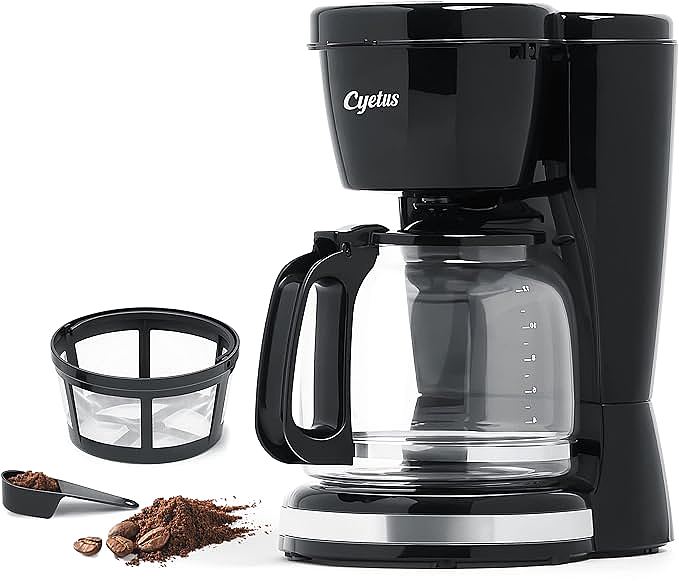
The Surprising Science in Your Coffee Maker: A Deep Dive into the CYETUS YD-1203
The Alchemy of the Perfect Cup: Decoding the Science and Soul of Exceptional Coffee
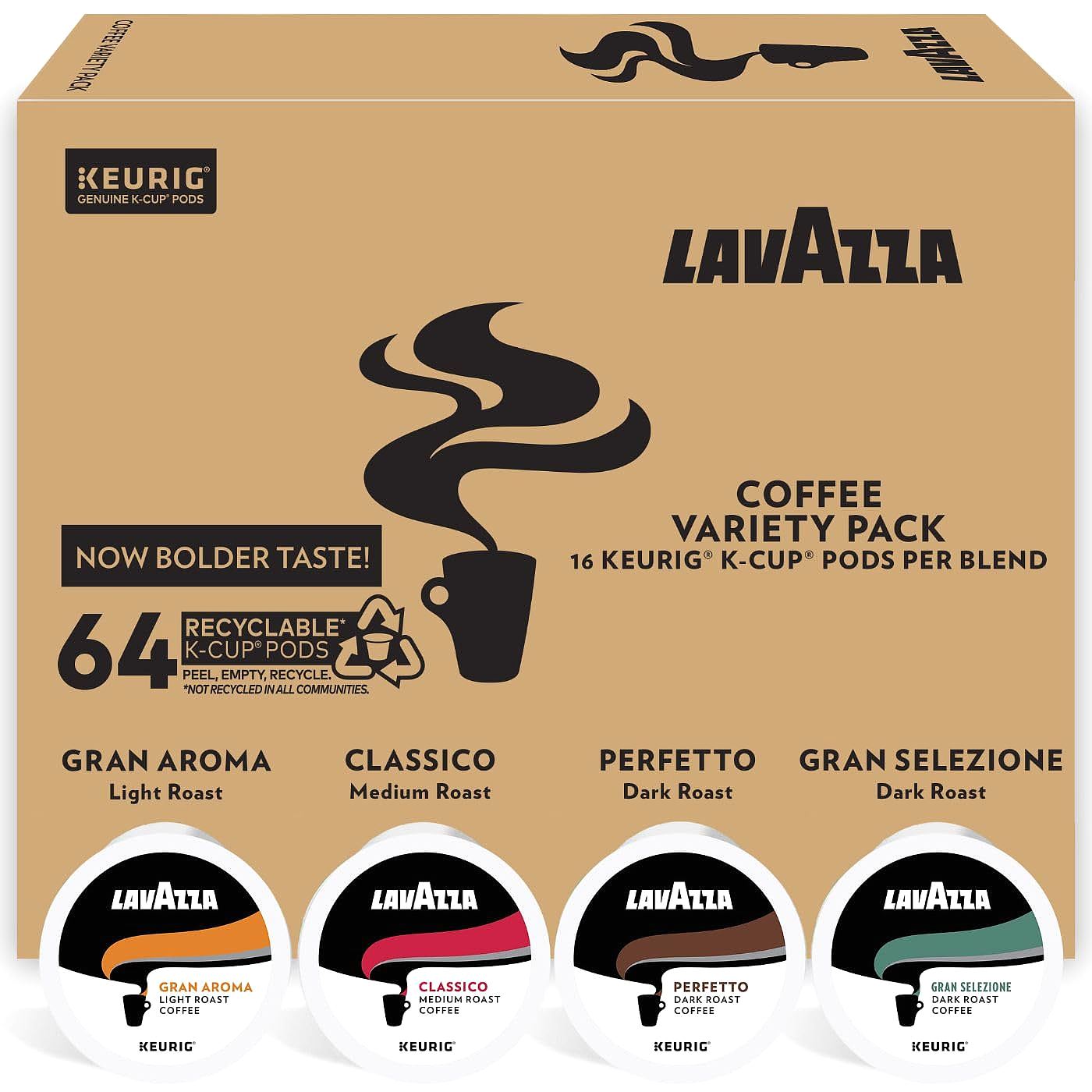
The Science of Taste: A Guided Tasting of Lavazza's K-Cup Coffee Pods
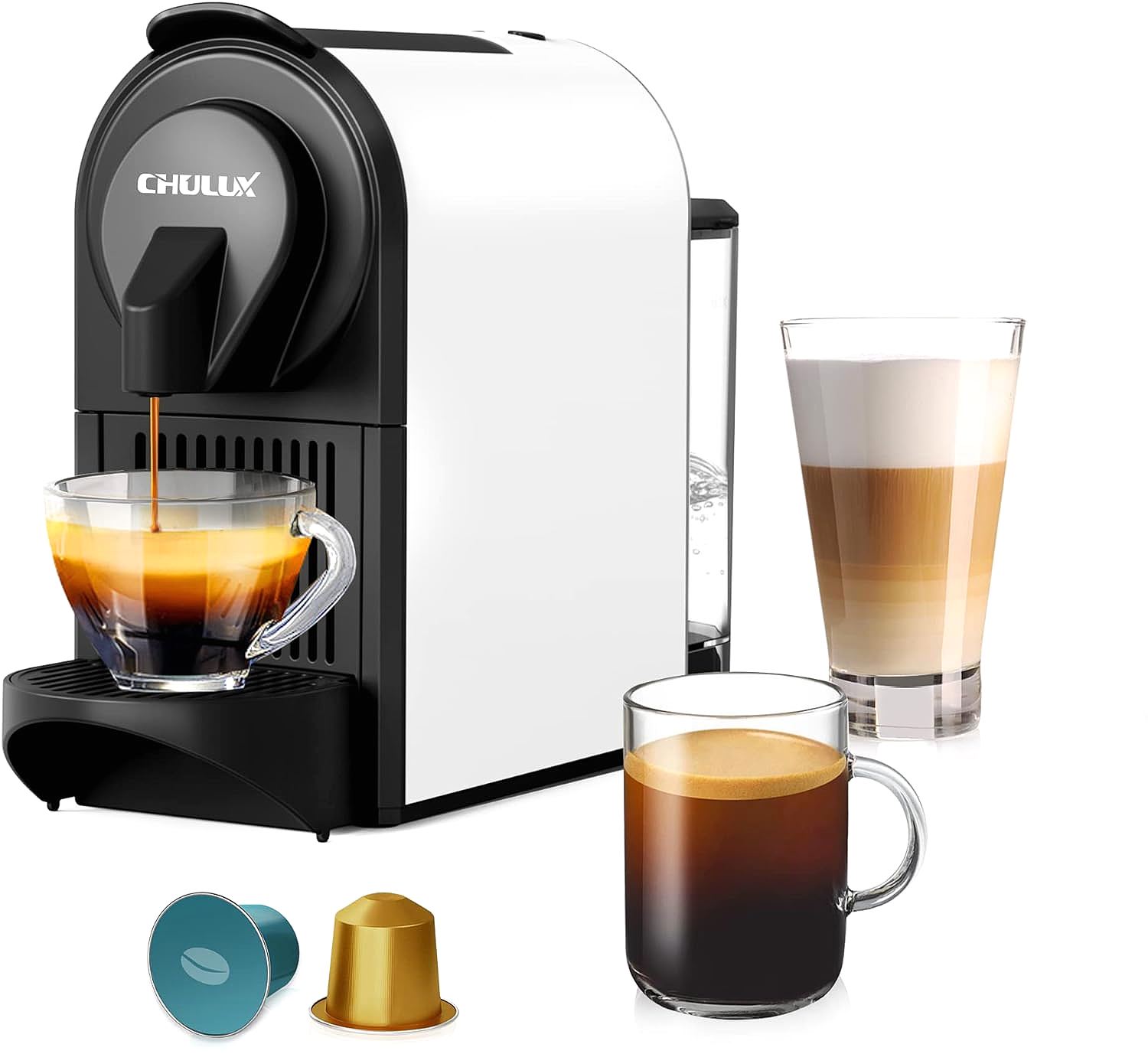
CHULUX QF-CM831V: Unlock the Perfect Espresso at Home with 20-Bar Precision
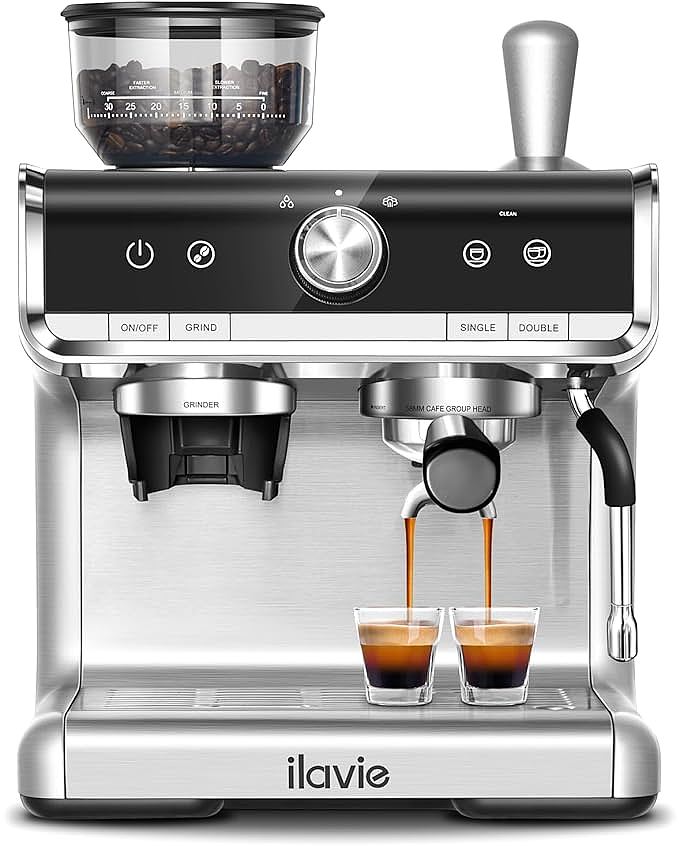
How an Espresso Machine Works: The Science of Pressure, Temperature, and Grind

From Chaos to Order: The Physics of Particle Size and Coffee Extraction