The Pod Paradox: Why Your Coffee Machine Speaks Only One Language

KOTLIE AC-513HF 5in1 Espresso Machine
The Pod Paradox: Why Your Coffee Machine Speaks Only One Language
You open your kitchen cabinet and face a familiar dilemma. Three different machines sit on your counter, each demanding its own supply of proprietary capsules. The Nespresso machine gathers dust beside a Keurig that only accepts one brand of cartridges, while a Dolce Gusto brewer guards its own collection of pods. You have been locked into a fragmented world of capsule standards where convenience comes at the cost of choice.
Walk into almost any modern kitchen and you will find evidence of this quiet fragmentation. On one side sits a sleek machine, its design language unmistakable, its loyalty absolute to a small aluminum cup. On the other side, a different brewer guards its domain of plastic-bound cartridges, each system speaking its own dialect of heat and pressure. You have been caught in the middle, a polyglot in a world that demands fluency in proprietary languages.
The coffee capsule market presents a fascinating paradox. Manufacturers promise convenience but deliver fragmentation. The average household with multiple coffee preferences often owns two or three machines, each dedicated to its own capsule system. The environmental cost is staggering. The economic burden accumulates silently with every pack of brand-locked pods. It is a problem that seems intractable until you examine the physics underneath.
Understanding why capsule systems remain incompatible requires a study through fluid dynamics, thermodynamics, and the elegant engineering compromises that shape every brewing decision. This is not about which brand dominates a purchasing decision. It is about understanding the invisible forces that determine whether your morning espresso actually tastes like espresso.
The Heart of Extraction: Why Pressure Is Everything
At the core of every true espresso experience sits an invisible force: pressure. When a cafe claims to pull espresso at 9 bars, they are speaking a language of physics that directly translates to the extraction process. One bar equals roughly the atmospheric pressure at sea level. Nine bars means water is being forced through the coffee puck with approximately 130 pounds per square inch of force.
This pressure is not arbitrary. It serves a specific purpose in the extraction chemistry. Water at high pressure can dissolve and carry more of the aromatic compounds that make espresso distinct from drip coffee. The lipids and sugars that create that characteristic crema layer require this forced extraction to properly emulsify. When pressure falls below the optimal threshold, you get something that resembles espresso in color but delivers nothing of its complexity in taste.
The industry settled on 9 bars after decades of empirical testing. The Specialty Coffee Association, whose standards influence equipment design worldwide, identifies this pressure as the point where extraction efficiency reaches its peak without introducing off-flavors from over-extraction. Machine manufacturers calibrate their pumps to maintain this pressure throughout the extraction, which typically takes 25 to 30 seconds for a proper 30-milliliter shot.
What happens when a machine offers 19 bars instead? The immediate assumption is that more must be better. The marketing language certainly encourages this interpretation. In reality, the relationship between pressure and extraction quality follows a curve, not a straight line. Beyond 9 bars, you are not extracting more desirable compounds. You are simply pushing water through faster, risking channeling where the pressure finds paths of least resistance through the coffee puck rather than evenly saturating the entire bed.
The extra pressure does serve a purpose in multi-capsule machines, though not the purpose most marketing implies. Different capsule types create different resistance levels. A properly packed K-Cup presents different flow characteristics than a lightly tamped ESE pod. Having reserve pressure capacity ensures that the machine can maintain adequate extraction even when encountering the higher resistance of thicker paper filters or the lower resistance of loosely packed capsules. It is engineering margin, not extraction optimization.
The Engineering of Compatibility: How One Machine Serves Five Systems
The promise of a machine that brews Nespresso capsules, Dolce Gusto pods, K-Cups, ESE pads, and traditional ground coffee sounds like engineering magic. The reality involves sophisticated mechanical design that addresses fundamental incompatibilities in capsule geometry.
Consider the physical dimensions. A Nespresso capsule stands approximately 30 millimeters tall with a diameter around 37 millimeters. Its aluminum construction requires a specific piercing pattern to access the coffee inside. K-Cups stand taller at 39 millimeters with a 51-millimeter diameter and use a foil top that requires a different puncture approach. The Nestle brand uses a needle-based piercing system where two needles create inlet and outlet holes. Keurig uses a blade arrangement that cuts the foil and filters simultaneously.
Dolce Gusto capsules introduce yet another variation with their barista-style design that includes a membrane system for creating the foam layer in drinks like cappuccino. ESE pods, the traditional 44-millimeter soft pods used in professional espresso machines, require no piercing at all since they are manually tamped into a portafilter basket before brewing.
A multi-capsule machine must accommodate all of these geometries. The Italian manufacturer ULKA, whose pumps appear in machines across many brands, designs pump modules with adjustable flow rates and pressure curves. The machine's control system must recognize which capsule type is in use and adjust its extraction profile accordingly. This is why the 19-bar specification matters in this context. The system needs headroom to compensate for the unpredictability of third-party capsules that may be packed more or less densely than original manufacturer specifications.
The heating systems in these machines also require careful engineering. Traditional espresso machines use boiler systems that maintain a stable temperature water reservoir. Multi-capsule machines often employ thermoblock heating, which heats water on demand as it passes through a heated pathway. Thermoblock systems offer faster startup and reduced energy consumption, but they introduce temperature variability that the pressure system must accommodate.

The Thermoblock Trade-off: Speed and Stability
Thermoblock heating technology represents a fascinating compromise in espresso machine design. A boiler stores and heats water in a reservoir, requiring several minutes to reach operating temperature and maintaining that temperature continuously. A thermoblock heats water instantaneously as it flows through a heated aluminum block with an embedded heating element.
For a home user who wants espresso on demand without waiting for a machine to warm up, thermoblock technology seems ideal. The machine reaches operating temperature in under a minute. However, the physics of instant heating introduces challenges that the 19-bar pump must address.
Temperature stability during extraction affects flavor extraction chemistry. The solvation rates of coffee compounds are temperature-dependent, with optimal extraction occurring between 90 and 96 degrees Celsius. A thermoblock system, by its nature, produces temperature fluctuations as water flows through at different rates. When you pull a shot slowly, the water spends more time in contact with the heating element and emerges hotter. When you pull quickly, the thermal mass of the block absorbs energy and the water emerges cooler.
These temperature variations are subtle, perhaps two or three degrees difference between fast and slow extractions. But in espresso extraction, two degrees can mean the difference between a shot that tastes bright and fruity and one that tastes flat and underdeveloped. The 19-bar pressure helps compensate by ensuring consistent flow rate regardless of minor temperature variations, but it cannot eliminate the underlying thermal dynamics.
The practical implication is that users of multi-capsule machines benefit from understanding their machine's extraction characteristics. A machine that pulls slightly cool when extracted quickly may produce better results when the user pauses briefly between capsules to allow the thermoblock to stabilize. This is not a design flaw but an engineering reality that skilled users learn to work with.
Crema Chemistry: What Pressure Actually Creates
The golden layer of foam that tops a proper espresso extraction serves both aesthetic and functional purposes. Crema forms when pressurized water emulsifies the lipids in coffee grounds, creating a stable colloidal suspension of coffee oils and carbon dioxide. The carbon dioxide indicates freshness; properly roasted espresso beans release CO2 for several days after roasting, and this gas becomes trapped in the emulsion during extraction.
Pressure plays a critical role in crema formation, but not in the way most marketing suggests. The 19-bar pump does not create crema by shear force. Instead, it creates the pressure differential necessary for the carbon dioxide to form bubbles that become encapsulated in the coffee oil emulsion. The emulsification process requires turbulent flow conditions that only occur at specific pressure levels.
What the extra pressure does is ensure this emulsification occurs consistently across varying capsule types. A properly stored and packed capsule from any manufacturer will produce crema at 9 bars. The additional pressure reserve of a 19-bar pump ensures that even suboptimal capsules, those packed too loosely or stored improperly, still achieve the minimum pressure required for emulsification.
The crema itself is not an indicator of flavor quality. A shot with beautiful crema can still taste bitter from over-extraction or sour from under-extraction. The foam layer primarily serves as a visual indicator of freshness and extraction pressure, providing visual confirmation that the brewing process occurred within acceptable parameters.
Practical Implications: Working With Physics, Not Against It
Armed with understanding of the underlying physics, users of multi-capsule espresso machines can optimize their brewing technique. The first practical consideration involves capsule selection. While the machine accepts multiple capsule types, not all capsules are created equal within each system.
Within the Nespresso compatible universe, capsule quality varies enormously. Original manufacturer capsules use specific roast profiles designed for their machine's extraction parameters. Third-party capsules often use different roast levels and grind sizes that may not extract optimally at the same pressure. The practical result is that some third-party capsules produce excellent shots while others taste hollow despite appearing properly extracted.
The K-Cup compatibility introduces additional variables. Keurig designed their system for larger brew sizes, typically 8 to 12 ounces, versus the 1 to 2 ounce espresso-style extraction. When brewing espresso-style drinks from K-Cups in a multi-capsule machine, users should expect different flavor profiles than when brewing American-style coffee. The concentration will be higher, the body lighter, and the extraction chemistry shifted toward the compounds that survive high-pressure extraction.
Ground coffee compatibility offers the most control but requires the most technique. The machine's ability to extract properly from loose grounds depends entirely on the user tamping consistently. Professional baristas tamp at approximately 30 pounds of pressure, creating a uniform coffee puck that promotes even extraction. Without proper tamping technique, channeling occurs where water finds paths through the coffee bed and extraction becomes inconsistent.
The Economics of Capsule Fragmentation
Beyond the technical considerations lies an economic reality that the capsule market exploits. Each manufacturer prices their pods at a premium, knowing that customers who have invested in their machine will pay for the convenience of brand-locked compatibility. The average cost of a Nespresso capsule runs 70 to 80 cents, while equivalent espresso pods from specialty roasters often cost a dollar or more.
Multi-capsule compatibility machines offer a potential escape from this pricing structure. By accepting multiple capsule types, they open access to third-party capsules that compete on price. The K-Cup market, in particular, offers significant savings with bulk options available at grocery stores for under 40 cents per pod. The trade-off involves accepting slightly different extraction characteristics.
For consumers who purchase multiple machines to access different capsule systems, a single multi-capsule machine offers obvious economic benefits. The machine itself typically costs more than a single-brand machine, but the price difference often recovers within a year for moderate coffee drinkers who would otherwise purchase multiple capsule types.
The environmental implications compound the economic considerations. Fewer machines mean less electronic waste. Capsule fragmentation multiplies packaging waste across incompatible systems. A single machine accepting multiple capsule types reduces the total number of discarded capsules and packaging materials.
When Versatility Becomes Compromise
The engineering reality of multi-capsule machines suggests that versatility comes with trade-offs. No machine optimized for capsule convenience will match the extraction quality of a dedicated espresso machine with a commercial-grade pump and boiler system. The thermoblock heating cannot match boiler temperature stability. The universal portafilter designs cannot achieve the precise tamping consistency of professional equipment.
These limitations matter for different users in different ways. A coffee enthusiast who pulls three or four shots daily and evaluates extraction with the precision of a sommelier will notice these compromises immediately. They likely already own dedicated equipment and derive no benefit from multi-capsule compatibility. A casual user who wants good-enough espresso without maintaining multiple machines or spending hours dialing in grind settings will find the trade-offs acceptable.
The honest assessment of multi-capsule machines requires acknowledging what they are: convenient solutions for households with diverse coffee preferences that prioritize simplicity over optimal extraction. They democratize access to espresso-style drinks without demanding the technical knowledge that professional equipment requires. The 19-bar pump, the thermoblock heating, the universal capsule basket all serve the goal of acceptable convenience rather than exceptional quality.
The Engineering Truth
The best engineering is not about adding. It is about eliminating unnecessary complexity while preserving essential function. A multi-capsule espresso machine embodies this principle in its approach to the capsule fragmentation problem. By accepting the engineering constraints of multiple capsule geometries and brewing parameters, it eliminates the need for multiple machines while accepting the performance compromises those constraints impose.
The next time you encounter a machine that promises to speak every capsule language, remember that no single device can optimally serve all systems. The physics of extraction, the chemistry of crema formation, the engineering of heating and pressure all work together in ways that manufacturers cannot fully reconcile. What you gain in convenience, you trade in optimization. Understanding this exchange is not about dismissing multi-capsule machines as inferior. It is about making informed decisions that align your equipment with your actual priorities.
KOTLIE AC-513HF 5in1 Espresso Machine
Related Essays
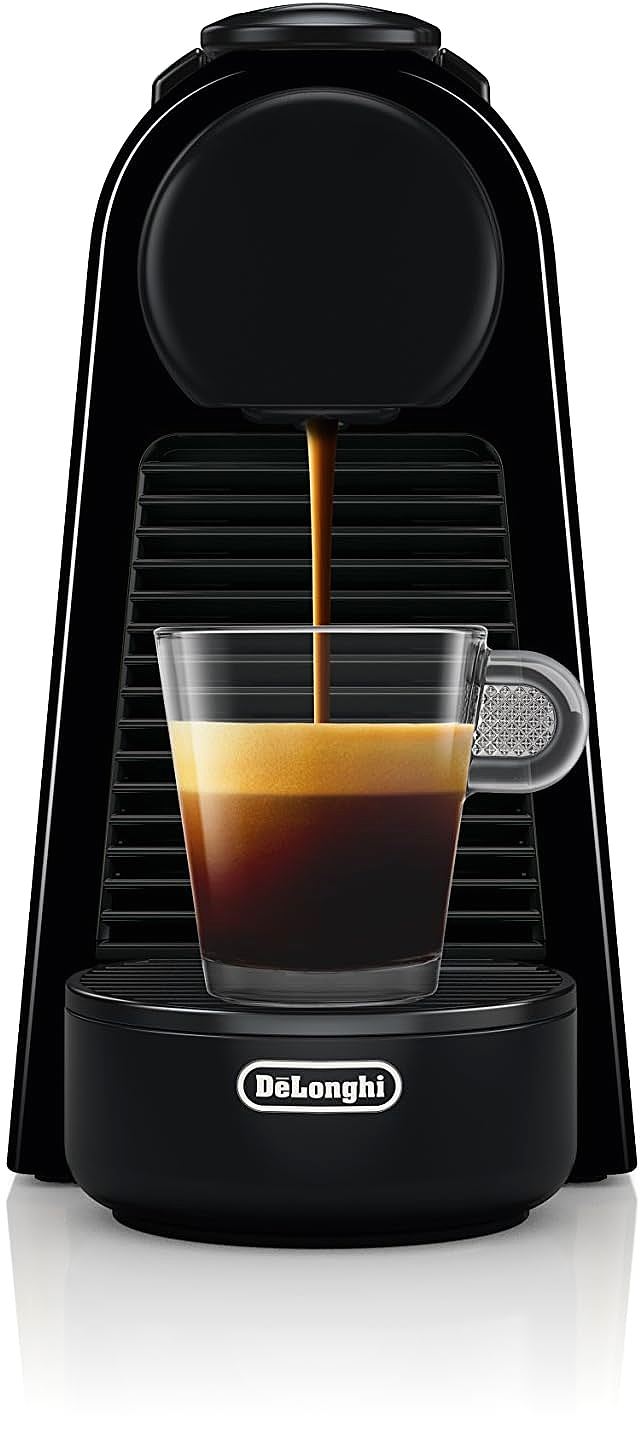
The Espresso Equation: How a Tiny Machine Solved a 100-Year-Old Coffee Problem
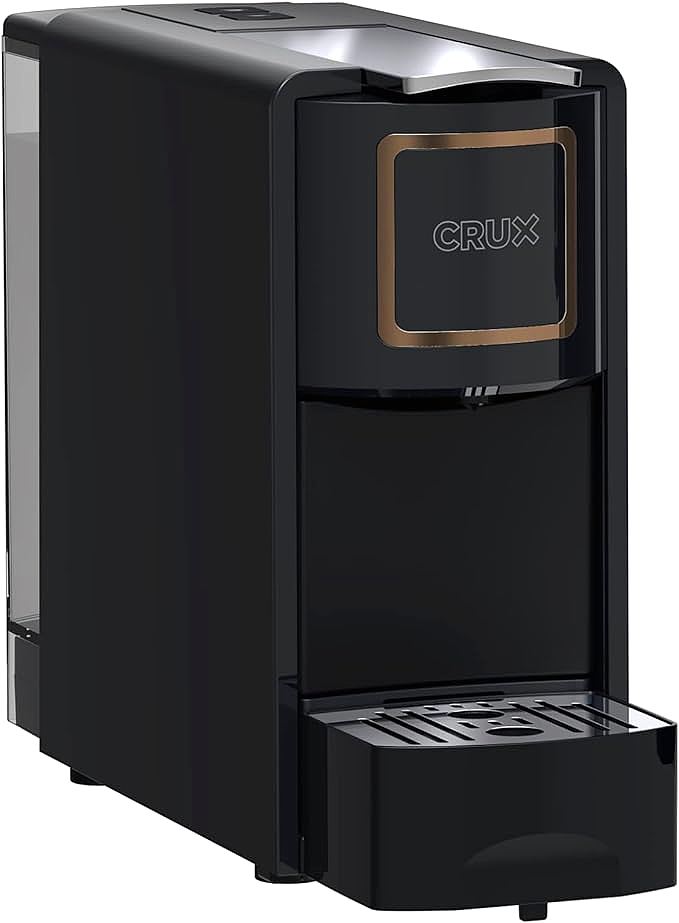
The Espresso Machine Lottery: Inside the Story of the Crux 17643 and the Risks of Modern Manufacturing
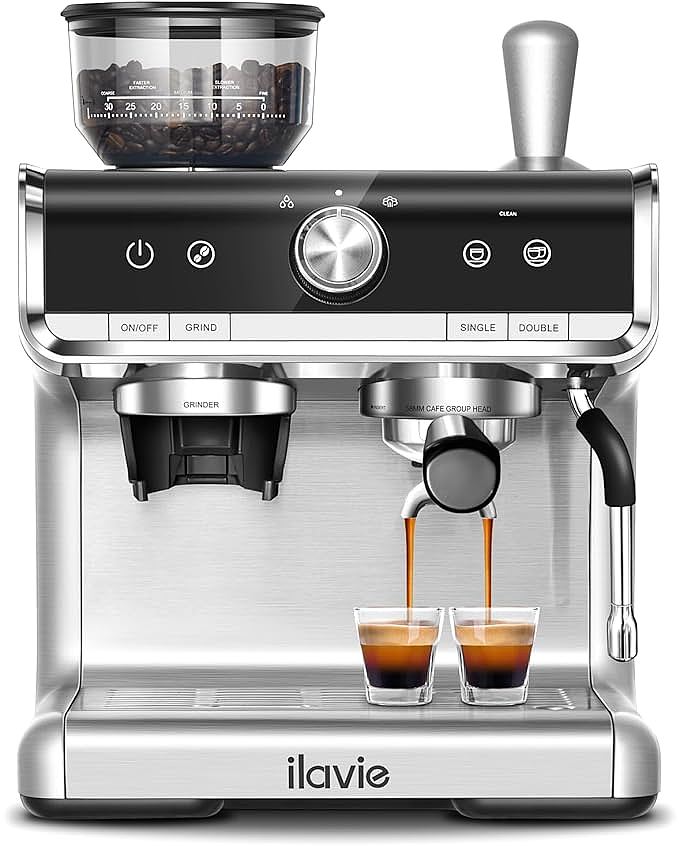
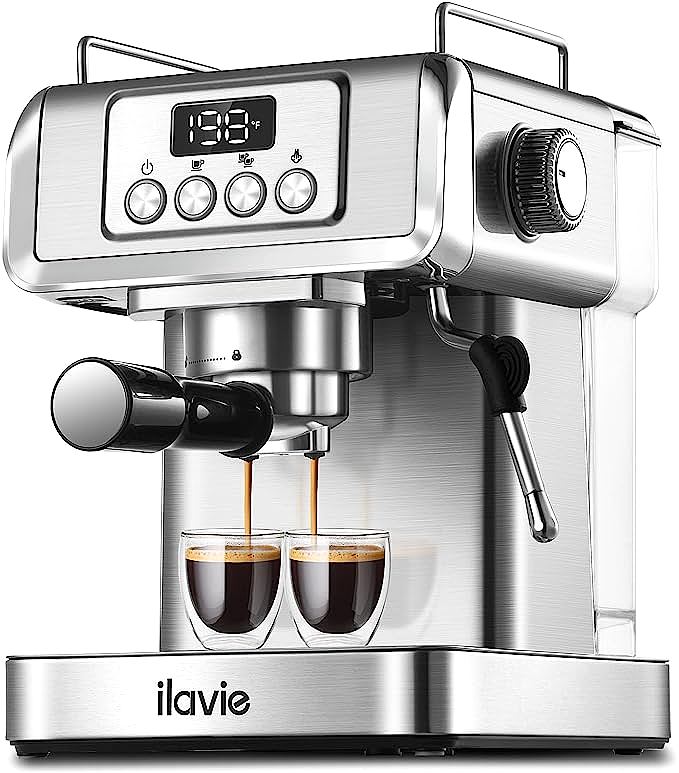
ILAVIE CM5020-UL: The Science Behind Your Perfect Home Brew

From Chaos to Order: The Physics of Particle Size and Coffee Extraction
From Chaos to Order: The Physics of Particle Size and Coffee Extraction
The Chemistry of Extraction: Why Your Coffee Tastes Sour or Bitter
The Chemistry of Extraction: Why Your Coffee Tastes Sour or Bitter
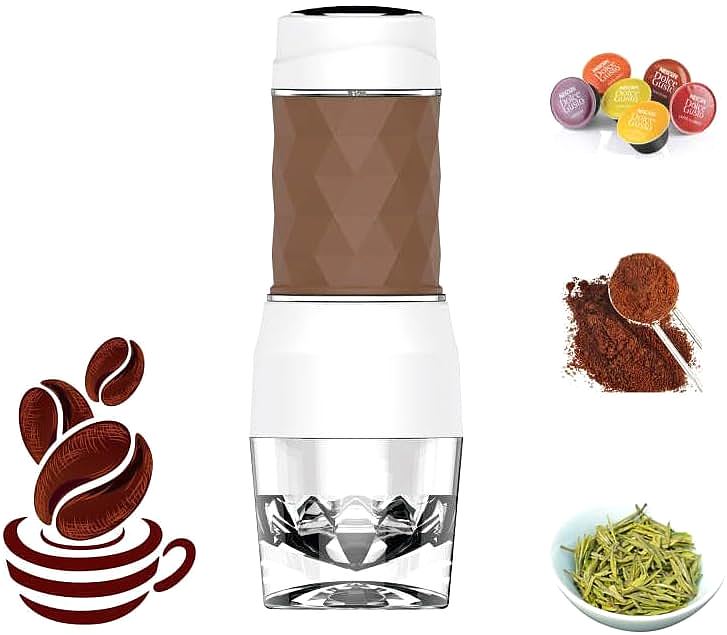
ShareforU HS-8439 Portable Espresso Machine Guide
The Espresso Compromise: Unpacking the Science and Engineering in a Home Coffee Machine
