The Moka Pot Renaissance: Craft Coffee Without the Machine

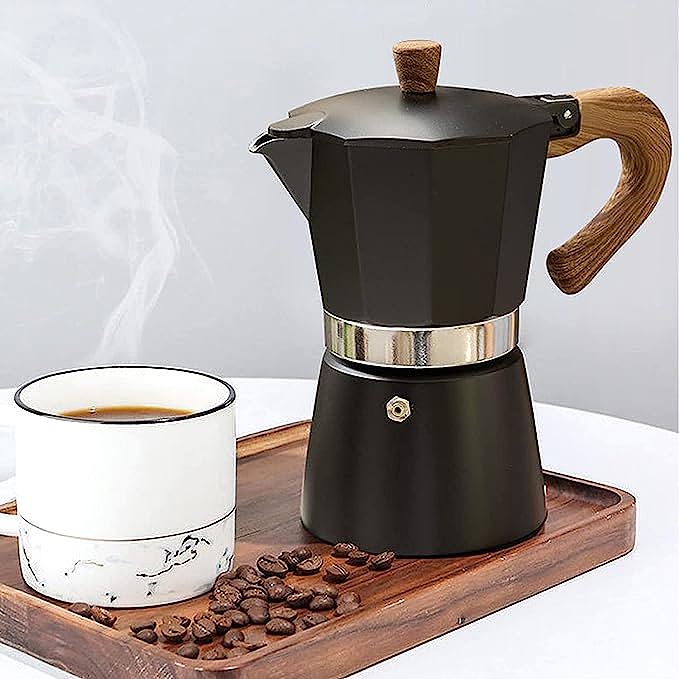
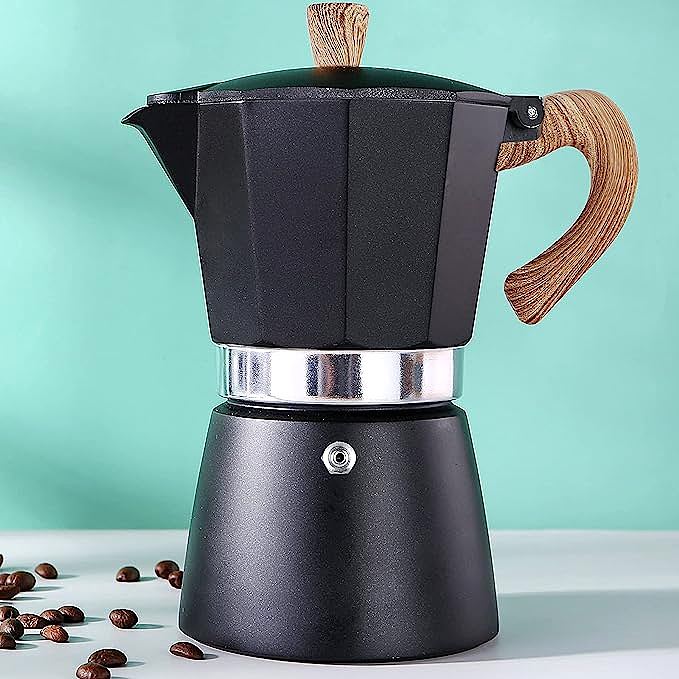
RAINBEAN Italian Expresso Maker Moka Pot
The Coffee That Haunts Your Morning Routine
The morning ritual starts the same way for millions of people. You reach for the automatic drip machine, press a button, and wait. The coffee that emerges is fine. Functional. Adequate. But somewhere between the first sip and the bottom of the cup, a quiet dissatisfaction settles in.
Perhaps you tasted espresso in a Roman cafe, or a friend served you something from a small octagonal pot on their stovetop. It was richer, thicker, more deliberate. That memory lingers long after the cup is empty. The gap between what you brew at home and what you remember tasting feels unbridgeable, and the price tag on an espresso machine only widens it.
This is not a problem of passion. Home coffee drinkers care deeply about what they brew. The issue is access. Espresso machines capable of producing genuine 9-bar extraction pressure typically start around $300 and climb rapidly from there. For someone who simply wants coffee that tastes like it was made with intention, the barrier is too high.
Yet for nearly a century, a solution has sat on Italian stovetops, waiting for its moment.
Pressure, Heat, and the Physics of Stovetop Extraction
To understand why stovetop coffee tastes different from drip, you need to understand what pressure does to coffee grounds. When water passes through ground coffee under pressure, it extracts oils, dissolved solids, and aromatic compounds at a fundamentally different rate than gravity-fed drip brewing. The result is a denser, more viscous liquid with a layer of emulsified oils on top that coffee professionals call crema.
Commercial espresso machines operate at approximately 9 bars of pressure, roughly nine times atmospheric pressure. This high pressure forces water through finely ground coffee in 25 to 30 seconds, producing a concentrated 30ml shot. The physics are straightforward: higher pressure enables finer grinds, which create more surface area for extraction, which yields more dissolved solids per second of contact time.
A stovetop Moka pot operates at a fraction of that pressure, typically 1.5 to 2 bars. This is not a deficiency. It is a different category of brewing entirely, producing what coffee professionals call a strong, concentrated coffee that sits between drip and true espresso on the extraction spectrum.
The mechanism is a study in elegant engineering. The pot consists of three chambers stacked vertically. The bottom chamber holds water. A funnel-shaped basket sits above it, holding the ground coffee. The top chamber collects the brewed coffee. When heat is applied to the base, water in the bottom chamber expands as it warms, creating steam. This steam builds pressure, which forces the hot water upward through the coffee grounds and into the collection chamber through a central funnel.
The entire process relies on two physical principles working in concert: thermal expansion of water and the pressure differential between sealed and open chambers. As steam pressure builds in the sealed lower chamber, it has only one escape route: through the coffee grounds and up the funnel. The coffee arrives in the upper chamber with a characteristic gurgling sound, which signals that the pressure cycle is completing and most of the water has been pushed through.
This sound, often described as a rhythmic "blub-blub-blub," is not just audio feedback. It is a physical indicator that the pressure behavior is shifting. When the water level drops below the funnel inlet in the bottom chamber, steam begins to pass through rather than water, changing the acoustic signature. Removing the pot from heat at this moment prevents over-extraction and the bitter flavors that accompany it.
A Device Born From Observing Washing Machines
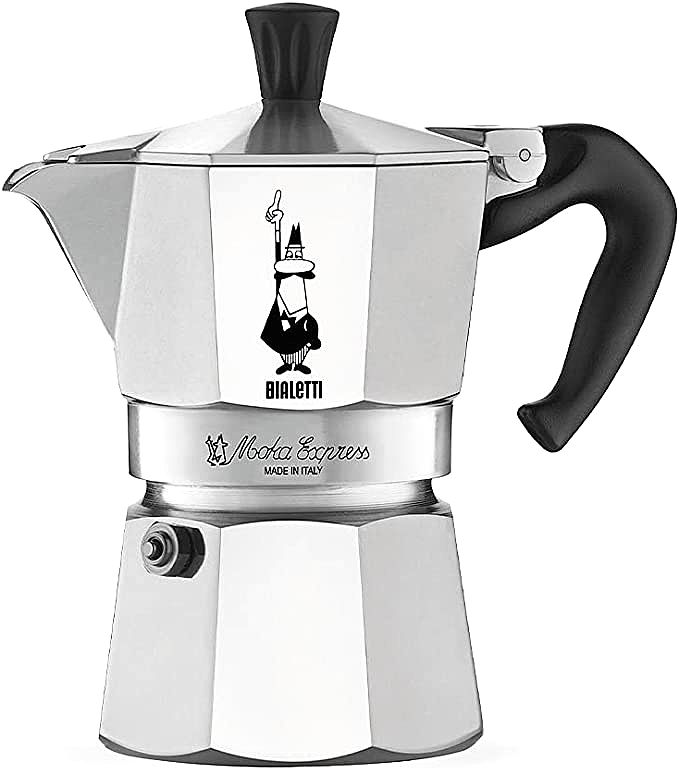
In 1933, Italian engineer Alfonso Bialetti observed a washing machine that used pressurized steam to push soapy water through fabric. He adapted the same principle for coffee. The result was the Moka Express, an octagonal aluminum pot that could produce strong, espresso-like coffee on a standard stovetop.
The timing was deliberate. Italy in the 1930s had a deep coffee culture, but espresso machines were confined to cafes and bars. Most Italians drank coffee at home using a method called "napoletana," which involved flipping a pot upside down to let gravity pull water through the grounds. Bialetti's invention brought pressurized extraction into the domestic kitchen for the first time.
Within a decade, the Moka pot had become a fixture in Italian households. By the 1950s, an estimated 90 percent of Italian families owned one. The design was so iconic that it appeared in Italian still-life paintings and was displayed in design museums worldwide. Bialetti's little man with the mustache, the company mascot, became as recognizable in Italy as any global brand was in America.
The pot's cultural significance extends beyond function. In Italy, offering a guest coffee from a Moka pot is a gesture of hospitality that carries specific social meaning. It says: I made this for you, right now, with care. The process takes attention. You cannot walk away from a Moka pot the way you can from an automatic drip machine.
Why This Renaissance Is Happening Now
After decades of being overshadowed by electric espresso machines and single-serve pod systems, the Moka pot is experiencing a cultural resurgence. Several forces are converging to drive this renewed interest.
The craft coffee movement that gained momentum through the 2010s emphasized manual brewing methods as a form of culinary expression. Pour-over kettles, hand grinders, and precision scales became standard equipment for home enthusiasts who treated coffee preparation as a craft rather than a convenience. The Moka pot fits naturally into this philosophy. It requires attention, technique, and a willingness to learn from each brew.
Social media has amplified the trend. The visual ritual of filling the basket, leveling the grounds, and watching coffee flow into the upper chamber creates shareable moments that resonate with audiences seeking authentic, analog experiences in a digital world. The hashtag #mokapot has accumulated millions of posts across platforms, with many featuring younger brewers discovering the method for the first time.
Economic factors play a role as well. Inflation has pushed the price of daily cafe visits beyond what many households consider reasonable. A stainless steel stovetop pot, such as the RAINBEAN model that holds 240ml across four espresso cups, costs between $20 and $40 and lasts for years with basic care. When a single cafe espresso costs $4 to $6 in most American cities, the payback period on a Moka pot is measured in weeks.
There is also a philosophical dimension at work. The same generation that embraced sourdough baking during 2020, that learned to mend clothing and grow vegetables on balconies, responds to the Moka pot's combination of tangible process and tangible result. It offers something that automatic machines cannot: the satisfaction of knowing that your technique directly created what you are drinking.
The Three Variables That Determine Everything
Brewing with a stovetop pot is straightforward in concept but demands attention to three variables that determine the result.
Grind Size: Where Most Beginners Go Wrong
According to guidance from Brewtazza, the ideal grind for Moka pot brewing is medium-fine: finer than what you would use for drip coffee but coarser than espresso grind. If the grind is too fine, the coffee bed creates too much resistance, pressure builds excessively, and the resulting brew tastes bitter and over-extracted. If the grind is too coarse, water passes through too quickly, producing weak, sour coffee that lacks body.
The difference between drip grind and Moka grind is visible. Drip coffee particles resemble sea salt. Moka pot coffee particles should look more like table salt, slightly finer but not powdery. Espresso grind, by comparison, resembles flour. This distinction matters because the extraction pressure in a Moka pot falls between drip gravity and espresso machine pressure, and the grind size must match the extraction force.
The Ratio: Stronger Than Drip, Gentler Than Espresso
Specialty coffee roasters including Steampunk Coffee Roasters and Colipse Coffee recommend a 1:10 coffee-to-water ratio, meaning approximately 18 to 20 grams of ground coffee for every 200 grams of water. This is significantly stronger than drip coffee, which typically uses a 1:15 to 1:17 ratio, but not as concentrated as true espresso, which uses approximately a 1:2 ratio. The 1:10 ratio produces a cup with enough body and strength to stand up to milk while remaining drinkable on its own.
Heat: The Variable Nobody Talks About
Heat management is where most beginners stumble. The instinct is to use high heat to speed up the process. This is a mistake. High heat scorches the coffee in the basket before sufficient water has passed through, producing burnt, acrid flavors. Medium heat produces a slower, more even extraction. The brew should take approximately 4 to 5 minutes from the moment you apply heat. If it finishes in under 3 minutes, the heat is too high.
According to guidance from Special Coffee Italy, the moment you hear the pot transition from steady flow to gurgling, the extraction is completing. Leaving the pot on the heat source beyond this point forces steam through already-spent grounds, extracting bitter tannins and other compounds that degrade the flavor. Some experienced brewers run the bottom of the pot under cold water immediately after removing it from heat, which halts extraction entirely.
Four Mistakes That Ruin the Cup
When someone tries a stovetop pot for the first time and produces bitter, harsh coffee, the problem almost always traces back to one of four errors.
Overfilling the water chamber. There is a pressure relief valve on the side of the bottom chamber, usually a small brass or stainless steel pin. The water level should sit just below this valve. If water covers the valve, it cannot function as a safety release, and the pot may build dangerous pressure. More commonly, overfilling simply produces weak coffee because the ratio of water to coffee becomes too high.
Tamping the coffee grounds. Unlike espresso, where tamping creates the resistance needed for high-pressure extraction, a Moka pot requires no tamping. The weight of the upper chamber pressing down on the filter basket provides sufficient contact. Tamping compresses the coffee bed too much, restricting flow and creating excessive back-pressure that leads to bitter over-extraction.
Using pre-ground supermarket coffee. Most pre-ground coffee sold in supermarkets is ground for drip brewing. It is too coarse for optimal Moka pot extraction and often too stale to produce flavorful results. Coffee begins losing aromatic compounds within minutes of grinding. Grinding immediately before brewing, even with an inexpensive hand grinder, produces noticeably better results.
Ignoring the gurgle. That characteristic sound is your signal to act. Every additional second the pot spends on the heat after the gurgle begins is a second of deteriorating flavor. The difference between a cup brewed by someone who listens for the gurgle and someone who does not is not subtle. It is the difference between coffee that invites a second sip and coffee that demands sugar.
The Quiet Satisfaction of Paying Attention
What the stovetop brewing method offers, beyond the coffee itself, is a relationship with the process. The five minutes between turning on the flame and pouring the cup are not wasted time. They are the point.
You hear the water begin to heat. You smell the coffee warming before any liquid has been extracted. You watch for the first dark drops to appear in the upper chamber. These sensory cues create a feedback loop that no automatic machine can replicate. The brewer and the brewed are in conversation.
This is why the Moka pot persists, and why it is finding new audiences who were not alive when their grandparents used one. It does not promise convenience. It promises involvement. The coffee it produces is not espresso. It is something else entirely: a strong, aromatic, full-bodied brew that rewards attention and punishes neglect.
In an era where most kitchen appliances are designed to remove the cook from the process, the stovetop pot demands the opposite. You must be present. You must listen. You must respond. And in exchange, you receive something that cannot be replicated by pressing a button: the knowledge that the cup in your hands exists because you chose to pay attention.
RAINBEAN Italian Expresso Maker Moka Pot
Related Essays
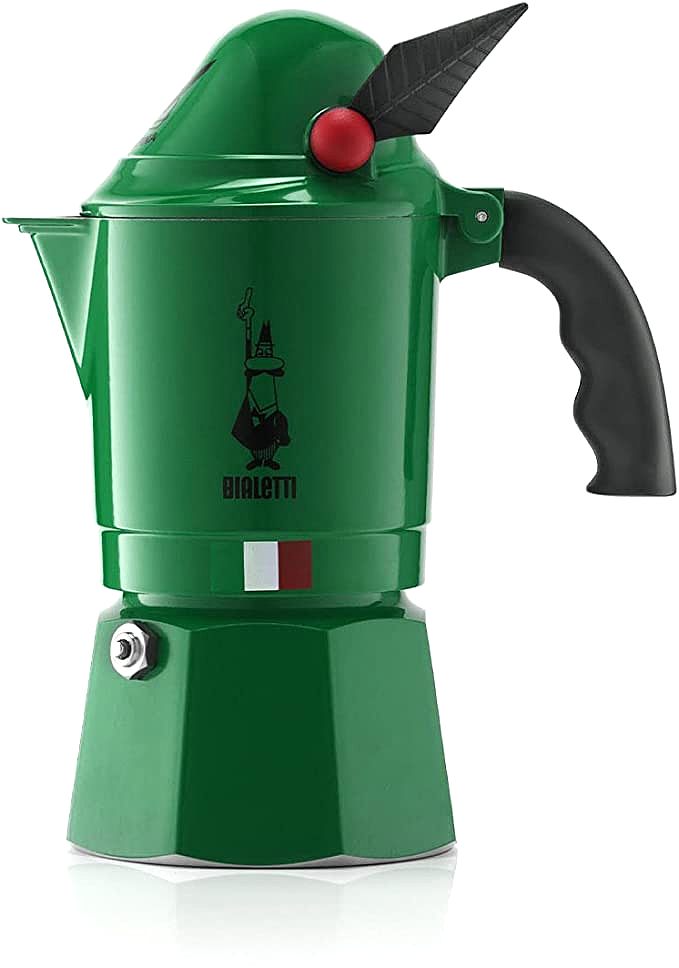
The Bialetti Alpina: The Story Behind the Moka Pot with a Feather
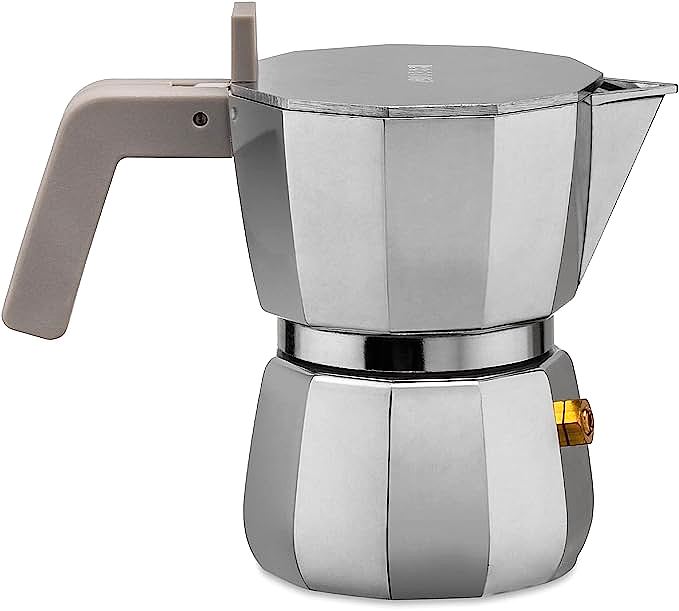
The Alessi Moka Pot: A Guide to Brewing Better Coffee by Design

Ilsa 3 Cup Stainless Steel Stovetop Espresso Maker: Authentic Italian Coffee at Home
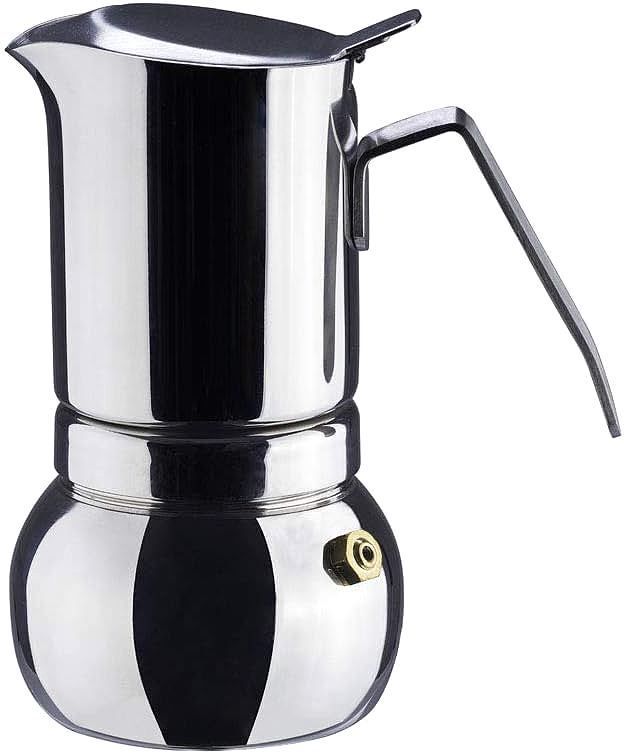
Début MK-STELLA-494: Brewing the Perfect Espresso, Explained
AIFUSI Moka Pot: Brew Authentic Italian Espresso at Home
The Little Engine of Flavor: Deconstructing the Science and Soul of the Bialetti Moka Pot

The Little Engine: Unpacking the Science and Soul of the Moka Pot

The Physicist in Your Kitchen: Deconstructing the Science of the Stovetop Moka Pot
The Alchemy of Steam: Unlocking the Science Behind Your Moka Pot