How Stovetop Espresso Maker Heat Transfer Shapes Your Morning Coffee
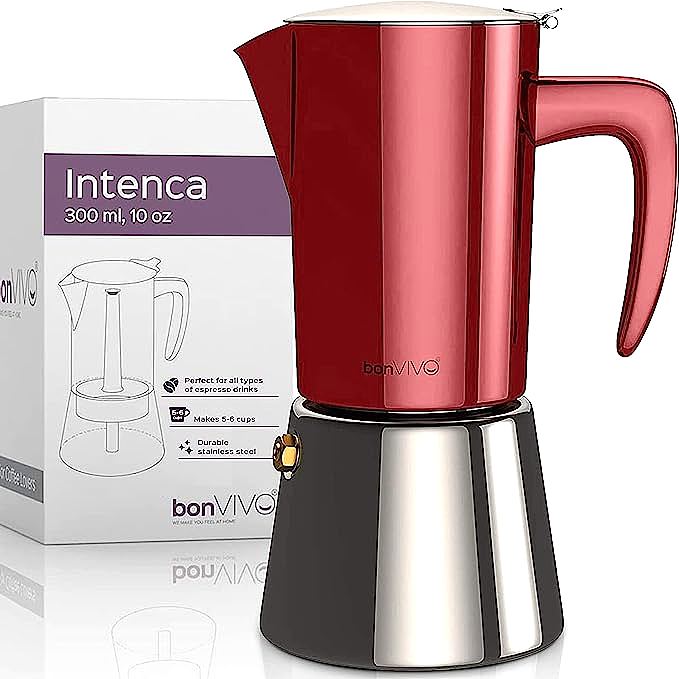
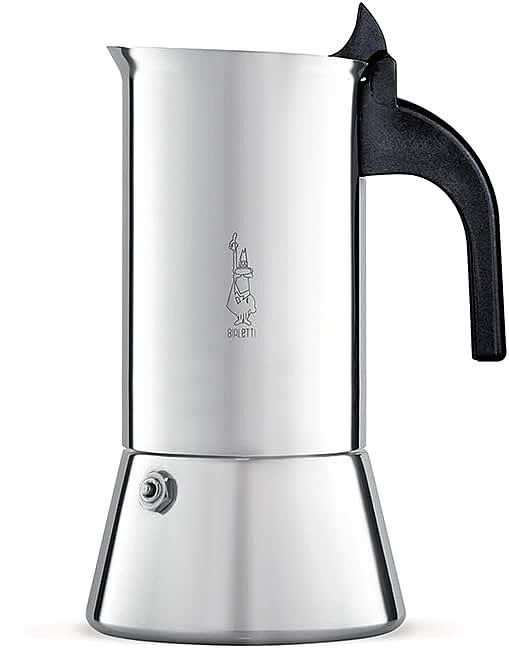
bonVIVO Intenca Stovetop Espresso Maker
The morning ritual of brewing coffee on a stove involves a chain of physical processes that most people never think about. Heat leaves the burner, travels through metal, changes water into steam, and finally extracts flavor compounds from ground coffee beans. Each step in this sequence depends on specific principles of thermodynamics and materials science that have been understood for centuries but are rarely explained to the home brewer. When you understand how energy moves through the system, you start to see why small adjustments in technique produce noticeable differences in the cup.
A stovetop espresso maker heat transfer system is, at its core, a miniature steam engine designed for culinary purposes. The device converts thermal energy from an external source into the mechanical work of pushing hot water through a bed of coffee grounds. This conversion process determines everything about the final brew: its strength, its balance of flavors, and whether it tastes smooth or harsh. Getting the physics right is the difference between a pleasant morning coffee and a bitter disappointment. Every variable in the chain matters, from the thickness of the metal base to the rate at which the burner delivers energy to the water chamber.
The Structure That Makes Heat Transfer Possible
The classic three-chamber design of a stovetop coffee brewer has remained largely unchanged since its invention because the geometry directly supports efficient energy flow. The bottom chamber holds water and sits directly on the heat source. Above it, a funnel-shaped filter basket contains the ground coffee, separated from the water by a narrow tube that extends downward into the water reservoir. The top chamber collects the finished brew as it rises through the central column under pressure.
This arrangement creates a natural thermal gradient. The hottest point is at the base of the bottom chamber, where the flame or electric element makes direct contact. The coolest point is the upper collection chamber, which sits farthest from the heat source and is exposed to room-temperature air. Between these two extremes, temperature decreases in a predictable pattern that the brewer can learn to control. The geometry is not arbitrary; every dimension affects how quickly and evenly heat distributes through the entire assembly. A taller water column requires more pressure to push through. A wider base captures more heat from the burner. The diameter of the central tube determines the flow rate of extracted coffee.
The narrow tube that runs from the filter basket up into the collection chamber plays an especially important role. Its diameter controls the flow resistance. Too wide, and liquid rises too quickly, giving water insufficient contact time with the coffee grounds. Too narrow, and pressure builds excessively, risking channeling through the coffee bed or triggering the safety valve. The tube diameter in most designs represents decades of empirical refinement, balancing flow resistance against brewing time to produce a consistent extraction window of roughly two to three minutes.
Understanding a stovetop espresso maker heat transfer cycle begins with recognizing that the device operates as a closed thermodynamic system once the top is screwed onto the base. The only energy input comes from the stove burner. The only outputs are the brewed coffee that collects in the upper chamber and the heat that radiates away from the external surfaces. Everything else is internal energy conversion, and the efficiency of that conversion determines how much of the burner's output actually reaches the coffee grounds.

How the Bottom Chamber Turns Water Into a Driving Force
The process starts when the burner heats the bottom chamber. Water molecules at the base absorb thermal energy first. As their kinetic energy increases, some molecules gain enough velocity to escape the liquid surface and enter the air pocket above the water. This air pocket, trapped between the water surface and the sealed upper assembly, cannot expand. The accumulating water vapor increases the internal pressure, and because the only escape route is upward through the tube and the coffee bed, the system pressurizes.
This is not ordinary boiling. In an open pot, water boils at 100 degrees Celsius at sea level because vapor can freely escape into the atmosphere. Inside a sealed stovetop espresso maker, the trapped vapor creates back-pressure that raises the boiling point of the remaining water. The water must reach a higher temperature before it can generate enough vapor pressure to overcome the resistance of the coffee bed above it. This elevated boiling point, typically somewhere between 105 and 115 degrees Celsius depending on the specific design and how tightly the coffee is packed, is what makes the extraction different from drip brewing or French press methods. The higher temperature extracts compounds that lower-temperature methods leave behind, contributing to the characteristic full-bodied flavor of stove-brewed coffee.
The pressure inside the bottom chamber rises gradually rather than suddenly. At first, only a small amount of vapor forms, and the pressure increase is modest. As more water molecules transition to the gas phase, the pressure climbs more steeply. The critical moment arrives when the vapor pressure exceeds the combined resistance of the water column in the tube and the compacted coffee grounds in the filter basket. At this point, the system crosses a threshold: vapor pressure forces the remaining hot water upward through the tube and into the coffee bed.
This phase-change mechanism is what distinguishes stovetop espresso maker heat transfer from simpler brewing methods. The energy stored in the phase transition, the latent heat of vaporization, provides the pumping force. No electric pump, no lever, no external pressure source is needed. The heat itself becomes the engine. This is an elegant piece of engineering that converts a simple stove flame into precisely the right amount of pressure for coffee extraction, typically around 1.5 to 2 bars depending on the tightness of the seal and the fineness of the grind.
Conduction: The Path Heat Takes Through Metal
Before any steam can form, heat must travel from the burner into the water. This journey happens primarily through conduction, the transfer of thermal energy through direct molecular contact. The burner heats the outer surface of the bottom chamber, and that heat propagates inward through the metal wall until it reaches the water inside. Every molecule in the metal wall passes kinetic energy to its neighbor, creating a cascade of energy transfer from the outer surface to the inner surface.
Different metals conduct heat at dramatically different rates, measured by their thermal conductivity coefficient. Copper, for example, has a thermal conductivity of approximately 400 watts per meter-kelvin, making it an exceptionally fast conductor. Aluminum conducts at roughly 205 W/mK, about half of copper's rate but still quite efficient for kitchen applications. Stainless steel, by contrast, conducts at only about 16 W/mK, roughly 25 times slower than copper and 13 times slower than aluminum.
This conductivity difference has direct and measurable consequences for a stovetop espresso maker heat transfer performance. A highly conductive metal like aluminum heats up quickly and responds rapidly to changes in burner output. The temperature inside the water chamber tracks the burner setting almost immediately, which gives the brewer precise but demanding control. A less conductive metal like stainless steel creates a buffer effect. Heat takes longer to travel from the outer wall to the water, which means the system responds more slowly when the burner is adjusted. This thermal lag can be either a frustration or a feature, depending on how the brewer uses it.
The entire chain of stovetop espresso maker heat transfer depends on conduction through the base plate as the foundational step. If the base plate is thin or poorly manufactured with internal voids, heat transfer becomes uneven, creating hot spots that can scorch coffee grounds and cold spots that leave water under-heated. A thick, uniform base plate eliminates these problems by providing a consistent conduction path from burner to water across the entire bottom surface of the chamber.

What Happens When Water Changes State
The transition from liquid water to steam is the central event in the brewing cycle. This phase change absorbs a large amount of energy without increasing temperature. At standard atmospheric pressure, converting one gram of 100-degree water into 100-degree steam requires 2,260 joules of energy. This is the latent heat of vaporization, and it is more than five times the energy needed to heat that same gram of water from freezing to boiling in the first place. The energy demands of this transition explain why a pot can sit on a burner for a minute or more after reaching boiling temperature before coffee begins to appear in the upper chamber.
Inside the sealed bottom chamber, phase change physics become slightly more complex. Because pressure rises above atmospheric levels, the latent heat of vaporization decreases somewhat. Less energy is required per gram of water converted to steam at the elevated pressure. However, the total amount of steam that must be generated to push the remaining liquid water through the coffee bed means that a substantial energy input is still required. The burner must supply enough heat to vaporize perhaps 10 to 20 percent of the water in the bottom chamber to generate sufficient driving pressure.
The relationship between heat input and steam production sets a natural pace for the brewing process. If the burner is too weak, steam production is slow and the pressure builds so gradually that water trickles through the coffee at low temperature, producing weak, under-extracted coffee. If the burner is too strong, steam forms rapidly and the pressure spike forces water through the coffee bed too quickly and at too high a temperature, extracting harsh, bitter compounds. The ideal rate of stovetop espresso maker heat transfer is the one that generates steam steadily enough to maintain a consistent flow through the coffee for approximately two to three minutes, long enough for thorough extraction without over-extraction.
The phase change also explains the characteristic gurgling sound at the end of brewing. When most of the liquid water has been pushed into the upper chamber, the bottom chamber contains mostly steam. As this steam flows through the tube unimpeded by liquid, it produces the bubbling, sputtering noise that signals the brew is complete. Continuing to heat at this point serves no purpose and can introduce burnt flavors from overheated steam passing through spent coffee grounds.
Why Material Selection Matters for Heat Management
The choice between aluminum and stainless steel for a brewing device is not simply about aesthetics or price. The material properties directly affect how heat moves through the system, which in turn affects the flavor of the coffee. Each material brings a different set of thermal characteristics, and understanding these differences helps brewers choose equipment that matches their preferences and their stove type.
Aluminum has been the traditional choice since the original stovetop design appeared in the 1930s. Its high thermal conductivity means the water chamber comes up to temperature quickly. Morning coffee is ready sooner. The pot is also lightweight, making it easy to handle and pour. However, aluminum reacts chemically with coffee acids over time, developing a patina that contributes a subtle metallic note to the brew. It also requires hand washing, since dishwasher detergents can accelerate surface oxidation and produce an unattractive gray coating. Some brewers appreciate the seasoned character of a well-used aluminum pot; others prefer the neutral flavor profile of a non-reactive material.
Stainless steel entered the market later and addresses several of aluminum's limitations. Its chemical inertness means no reaction with coffee acids, so the flavor of the beans comes through without interference from the vessel material. The lower thermal conductivity, which initially seems like a drawback, turns out to be an advantage for temperature stability. Heat spreads more evenly across the base of a stainless steel pot because it travels slowly enough to distribute laterally before reaching the water. Hot spots are much less likely to develop, reducing the risk of scorching the coffee grounds and introducing burnt flavors.
A good example of these principles in practice is the bonVIVO Intenca, a dual-chamber stainless steel brewer. Its thick base plate acts as a thermal diffuser, spreading the burner's concentrated heat across a wider area before it reaches the water. This design compensates for the lower conductivity of stainless steel by increasing the surface area available for heat absorption. The result is a pot that heats more slowly but more evenly, with fewer temperature spikes during the brewing cycle. When examining stovetop espresso maker heat transfer behavior across different brands and models, the base plate thickness consistently correlates with brewing temperature stability.
For the user, the practical difference between materials shows up most clearly when brewing on different stove types. An aluminum pot on a gas burner responds quickly and may require frequent flame adjustments. The same aluminum pot on an electric coil exhibits more thermal overshoot because the coil retains heat after being turned down. A stainless steel pot smooths out these differences, making technique more consistent and transferable from one stove type to another.
How Different Heat Sources Change the Brewing Equation
Not all stove burners deliver heat the same way, and these differences meaningfully affect the brewing outcome. A gas flame produces radiant and convective heat that wraps around the bottom of the pot. The heat delivery is immediate: turn the knob, and the flame intensity changes instantly. This responsiveness gives the brewer precise control, but it also demands attention. A momentary distraction can allow the flame to overshoot the ideal temperature range, producing a pressure spike that rushes the extraction.
Electric coil burners operate differently. The coil itself stores thermal energy and continues radiating heat even after the power is reduced. This thermal inertia means the pot receives heat for some seconds after the brewer decides to lower the temperature. The effect is particularly noticeable at the end of brewing, when the coil's residual heat can continue generating steam for 10 to 20 seconds after the burner is switched off. Experienced users of electric stoves learn to remove the pot from the burner entirely at the first gurgling sound, rather than simply turning down the heat.
Induction cooktops introduce yet another set of thermal dynamics. Induction heats the pot directly through electromagnetic induction rather than through an intermediate hot surface. The response time is even faster than gas, and the heating is extremely even across the base of the pot. However, induction only works with pots that have a magnetic base layer, which excludes pure aluminum models unless they include a bonded steel plate. For stainless steel pots with magnetic properties, induction provides perhaps the most controllable heat source available for brewing, combining the immediacy of gas with the evenness of a thick electric element.
Glass-ceramic cooktops sit somewhere between electric coil and induction in terms of responsiveness. The heating element beneath the glass surface shares the thermal inertia characteristics of electric coils, but the glass itself acts as an additional buffer, slowing heat transfer slightly. A useful technique on glass-ceramic is to preheat the burner on a medium setting for a minute before placing the pot, which reduces the initial lag while the element comes up to temperature.
Adapting stovetop espresso maker heat transfer technique to the specific stove type is one of the skills that separates consistent brewers from those who get variable results. A recipe that works on one stove cannot be transferred unchanged to another. The brewer must learn to read the signs: the sound of the pot, the appearance of the first coffee in the upper chamber, and the timing of the complete cycle. Each stove type imprints its own signature on the heat transfer profile of the brew.

Thermal Mass and Why It Stabilizes Brewing Temperature
Thermal mass refers to a material's capacity to store heat energy. A heavy cast-iron skillet has high thermal mass; a thin aluminum sheet pan has low thermal mass. In the context of coffee brewing, higher thermal mass in the pot's construction provides greater stability against temperature fluctuations during the extraction.
When a pot with high thermal mass sits on a burner, it takes longer to heat up because more energy must be absorbed before the temperature rises significantly. Once heated, however, it resists cooling. If the burner output fluctuates, a common occurrence with gas stoves in drafty kitchens, the large thermal reservoir in the pot's walls dampens the effect. The water temperature stays closer to the target range rather than swinging up and down with each variation in flame intensity. This stability is particularly important during the extraction phase, when consistent temperature produces even extraction across the entire coffee bed.
The base plate contributes most of the thermal mass in a well-designed stovetop brewer. A thick base, often 4 to 6 millimeters, stores enough heat to maintain stable boiling conditions in the water chamber even as steam production draws energy out of the system. Without this thermal buffer, the phase change from water to steam would cause noticeable temperature drops, and the brewing pressure would fluctuate throughout the extraction. The base plate acts as a flywheel, smoothing out the energy demands of the phase change.
The relationship between thermal mass and stovetop espresso maker heat transfer consistency explains why some inexpensive pots produce erratic results. Thin-gauge metal, chosen to reduce manufacturing cost, provides almost no thermal buffering. The water temperature tracks the burner output with little damping. A small gust of air across a gas flame can produce a detectable change in the flow rate of coffee into the upper chamber. The brewer compensates by constantly adjusting the burner, turning the process into a manual control loop that requires focused attention for several minutes without interruption.
Heavier pots reduce the need for this constant adjustment. The brewer sets the burner to a moderate level, waits for the first signs of coffee emerging, and then makes at most one or two small adjustments. The thermal mass handles the rest, maintaining pressure within a workable range without human intervention. This hands-off characteristic is especially valuable when brewing coffee in the morning, when attention is divided among multiple tasks and the brewer cannot stand watch over the pot for the entire cycle.
How Temperature Profiles Shape Flavor Extraction
Coffee brewing is a solvent extraction process, and temperature is the primary variable controlling which compounds dissolve and at what rate. Coffee contains over 800 volatile aromatic compounds, along with organic acids, sugars, oils, and bitter alkaloids. Each class of compound has a characteristic solubility curve that depends on water temperature. The ideal extraction temperature for most brewing methods falls between 90 and 96 degrees Celsius. Below this range, desirable flavor compounds dissolve too slowly, producing thin, sour coffee dominated by under-extracted acids. Above this range, bitter and astringent compounds extract aggressively, along with caffeine and chlorogenic acid breakdown products that contribute harshness.
The unique aspect of stovetop brewing is that the extraction temperature is not constant throughout the process. When the first water reaches the coffee bed, it may be at 70 to 80 degrees Celsius, still climbing toward the boiling point. This initial low-temperature contact extracts volatile aromatic compounds that would be lost at higher temperatures: floral notes, fruity esters, and delicate spice compounds. As the water temperature rises over the next 60 to 90 seconds, the extraction shifts toward the heavier, more bitter compounds that provide body and depth: chocolate notes, roasted grain flavors, and caramelized sugars.
This temperature ramp is a feature, not a flaw, when managed correctly. The gradual increase produces a layered extraction that captures both the bright, aromatic top notes and the rich, chocolatey base notes in a single brew. The key is controlling the rate of temperature increase so that the coffee bed receives sufficient contact time with water at each temperature band. Too fast a ramp, and the coffee misses the lower-temperature extraction window, producing a flat profile dominated by bitter compounds. Too slow, and the water spends too long extracting bitter compounds in the final phase, overwhelming the more delicate earlier extraction.
The physics of stovetop espresso maker heat transfer directly determines this temperature ramp rate. A pot that heats quickly produces a steep ramp, with water temperature rising from 80 to 95 degrees in perhaps 30 seconds. A pot that heats slowly produces a gradual ramp spread over two minutes or more. The ideal ramp rate depends partly on the coffee being used: lighter roasts benefit from slower ramps that give their denser cellular structure time to release solubles, while darker roasts can handle faster ramps because their more porous structure extracts more readily.
Water-to-coffee ratio and grind size add further dimensions to the extraction equation. The water in the bottom chamber is a fixed volume determined by the pot's design. If the coffee bed is too coarse or too loosely packed, water flows through too quickly and extraction is incomplete. If the bed is too fine or too tightly packed, pressure builds to excessive levels and the extraction becomes over-extracted and unpleasantly bitter. Finding the right grind size and packing density for reliable stovetop espresso maker heat transfer is an empirical process that rewards systematic experimentation.
Reading the Signals During the Brew Cycle
Learning to brew consistently requires learning to interpret the sensory cues the pot provides during operation. These signals carry information about the internal state of the stovetop espresso maker heat transfer process and allow the brewer to make real-time adjustments without opening the device or using a thermometer.
The first signal is the initial hiss, a soft sound that begins when the water in the bottom chamber approaches boiling and the first wisps of steam escape past the coffee bed and the threaded seal between chambers. This sound indicates that the system is entering the active brewing phase. The time from placing the pot on the burner to this first sound gives a rough measure of the heating rate. On a properly adjusted burner with a room-temperature pot, this should take between 60 and 90 seconds for a typical six-cup capacity. A significantly shorter time suggests the burner is too high; a longer time suggests the burner is set too low.
The second signal is the appearance of coffee in the upper chamber. Ideally, this happens as a slow, dark, honey-like stream that gradually fills the collection area. If the coffee spurts out in uneven bursts, pressure is building unevenly, often because of channeling in the coffee bed where water finds a path of lower resistance through the grounds. If it flows as a thin, pale, watery stream, the water temperature may be too low or the grind too coarse, resulting in under-extraction. The color and flow pattern during the first 10 seconds of emergence tell an experienced brewer more about the extraction quality than any timer or thermometer.
The third signal is the sound change from a steady gurgling flow to an intermittent, sputtering bubbling. This transition marks the point where liquid water in the bottom chamber is nearly exhausted and steam is beginning to pass through the coffee bed and up the central column unimpeded. Removal from heat should happen within a few seconds of this sound change. Allowing the pot to remain on the burner past this point sends superheated steam through the spent grounds, extracting harsh, burnt-tasting compounds that spoil the carefully built flavor profile of the brew.
Temperature management during these three phases depends on understanding how the specific pot and stove combination behaves. A stainless steel pot on an electric coil responds differently than an aluminum pot on gas, and the brewer must learn the timing adjustments for each setup. This learning curve is part of why manual brewing methods attract enthusiasts: the process rewards attention and practice with noticeably better coffee. Tools like the bonVIVO Intenca, with its stainless steel construction and thick base plate, make this learning curve gentler by providing a more forgiving thermal response that does not require split-second burner adjustments.
The entire stovetop espresso maker heat transfer cycle, from placing the cold pot on the burner to removing the finished brew, typically takes three to five minutes depending on the stove type, pot material, and ambient temperature. Within that brief window, water undergoes a phase change, pressure builds to roughly 1.5 atmospheres, and hot water extracts hundreds of flavor compounds from ground coffee. In a world of push-button espresso machines that hide their inner workings behind plastic housings and digital displays, the stovetop method makes the physics visible. You hear the phase change happening. You see the pressure doing its work. You taste the result of heat transfer decisions made seconds earlier. Understanding the sequence of physical events that produces the morning cup does not diminish the pleasure of drinking it. If anything, knowing how the energy from a simple flame becomes a rich, aromatic coffee adds another layer of appreciation to the daily ritual.
bonVIVO Intenca Stovetop Espresso Maker
Related Essays

Chefman RJ54-SS-15 Espresso Machine: Your At-Home Barista for Perfect Coffee
ShareforU HS-8439: Your Portable Espresso Machine for Coffee On-The-Go
The Unseen Engineering in Your Espresso Cup: A Scientific Look at the COWSAR ...
Steam Pressure Physics in Aluminum Moka Pot Brewing

The Engineering of Combination Coffee Machine Dual Brewing Systems
Stovetop Moka Pot Brewing Method: The Science Behind Steam-Powered Extraction

Pour Over Coffee Maker: A Beginner's Path to a Better Cup at Home

The Physics of Fast Coffee Brewing: How 350 Watts Achieves Sub-90-Second Extr...

BRITA Large 10-Cup Water Filter Pitcher: Clean Water for Better Coffee
)