The Thermodynamics of Ice: Dilution, Latent Heat, and the Physics of Nespresso Iced Forte
Update on Jan. 5, 2026, 6:40 p.m.
Making iced coffee seems deceptively simple: brew coffee, add ice. Yet, anyone who has tried this with a standard roast knows the disappointment of the result—a watery, insipid beverage that retains the bitterness of coffee but loses its soul. The failure is not culinary; it is thermodynamic.
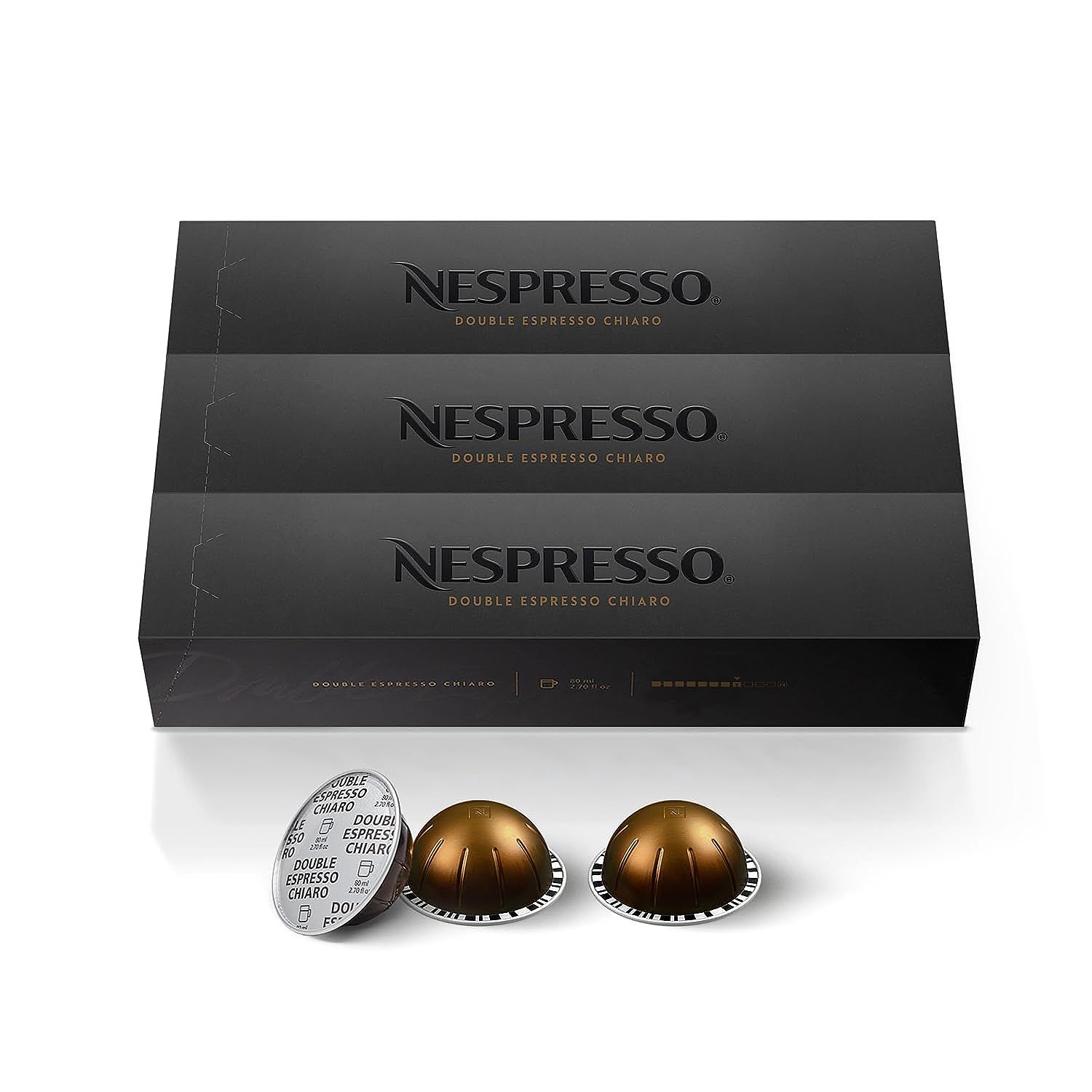
When hot liquid meets ice, a violent energy exchange occurs. The ice doesn’t just cool the coffee; it undergoes a phase change, turning into water and diluting the mixture. To create a pod like Nespresso Iced Forte, engineers had to work backward from this inevitable physical event. They had to design a coffee that is “broken” (too strong) when hot, so that it becomes “perfect” when diluted.
This article explores the physics of this transformation. We will calculate the Latent Heat of Fusion, analyze the Concentration Gradient, and reveal how Nespresso’s Centrifusion technology aids in managing the chaos of rapid cooling.

The Physics of Melting: A Calculation of Loss
To understand why standard coffee fails over ice, we must look at the energy equation.
* Specific Heat of Water: 4.18 J/g°C.
* Latent Heat of Fusion (Ice): 334 J/g.
When you brew 230ml (approx. 230g) of coffee at 85°C onto ice at 0°C, the coffee must lose massive amounts of energy to cool down to a drinkable 4°C.
* The Energy Balance: The heat lost by the coffee melts the ice.
$$Q_{lost} = m_{coffee} \times c \times \Delta T$$
$$Q_{lost} \approx 230 \times 4.18 \times (85 - 4) \approx 77,873 \text{ Joules}$$
To absorb this energy, the ice must melt.
$$m_{ice_melted} = Q / L_{fusion}$$
$$m_{ice_melted} \approx 77,873 / 334 \approx 233 \text{ grams}$$
The Result: To cool your 230ml of coffee, you inevitably add ~233ml of water. You have effectively doubled the volume and halved the strength (TDS - Total Dissolved Solids). A standard coffee with a TDS of 1.2% becomes 0.6%—dishwater.
Designing for Dilution: The Pre-Concentration Strategy
The Iced Forte pod is engineered to defeat this math. It is formulated to be extracted at a higher initial intensity so that after the thermodynamic “tax” of dilution is paid, the remaining liquid hits the ideal TDS target. * Dosage and Grind: The capsule likely contains a higher dose of coffee or a finer grind configuration that increases the extraction yield during the short brew cycle. * The “Forte” Profile: The name implies strength. But chemically, it implies Solubility. The blend uses Indonesian Arabica, known for high soluble solids and heavy body. When diluted 1:1 with meltwater, these heavy compounds (lipids, fibers) thin out to a pleasant texture, whereas a light-bodied coffee would disappear completely.
Thermal Shock and Acidity: The Chemistry of Cooling
Rapid cooling does more than dilute; it changes chemistry.
* Chlorogenic Acid Breakdown: Hot coffee kept hot degrades. But hot coffee chilled instantly (“Flash Chill”) preserves certain volatile aromatics (esters) that usually evaporate.
* Acid Perception: However, cold temperatures suppress our perception of sweetness (more on this in the next article) and can make acidity taste “sharp” or “metallic.”
The Iced Forte uses a Medium-Dark Roast. By roasting darker, Nespresso degrades some of the brighter acids (citric, malic) that become unpleasant when cold, replacing them with roasty, woody notes (pyrolysis products) that remain stable and pleasant even at 4°C.
Centrifusion: The Foam Insulator
The Vertuo system’s unique Centrifusion (spinning at up to 7,000 RPM) creates a thick layer of foam (crema).
In hot coffee, crema is for aromatics. In iced coffee, it serves a thermodynamic function: Insulation.
* The Air Barrier: The foam is a matrix of air bubbles trapped in protein/oil films. Air is a poor conductor of heat. This foam layer sits on top of the ice/coffee mix, slowing down the heat transfer from the room air to the drink. It keeps the ice from melting further after the initial equilibrium is reached, preserving the concentration for longer as you sip.
Conclusion: Engineering the Equilibrium
Nespresso Iced Forte is a product of reverse engineering. It starts with the desired end state—a cold, balanced cup—and calculates the necessary inputs to survive the trauma of thermal shock and dilution.
It teaches us that in the kitchen, recipes are physics equations. You cannot cheat thermodynamics, but you can prepare for it. By providing a “concentrate” disguised as a standard pod, Nespresso allows the user to perform a complex thermal balancing act with the press of a single button.