The Art of the Stovetop: Mastering Variables in Manual Brewing
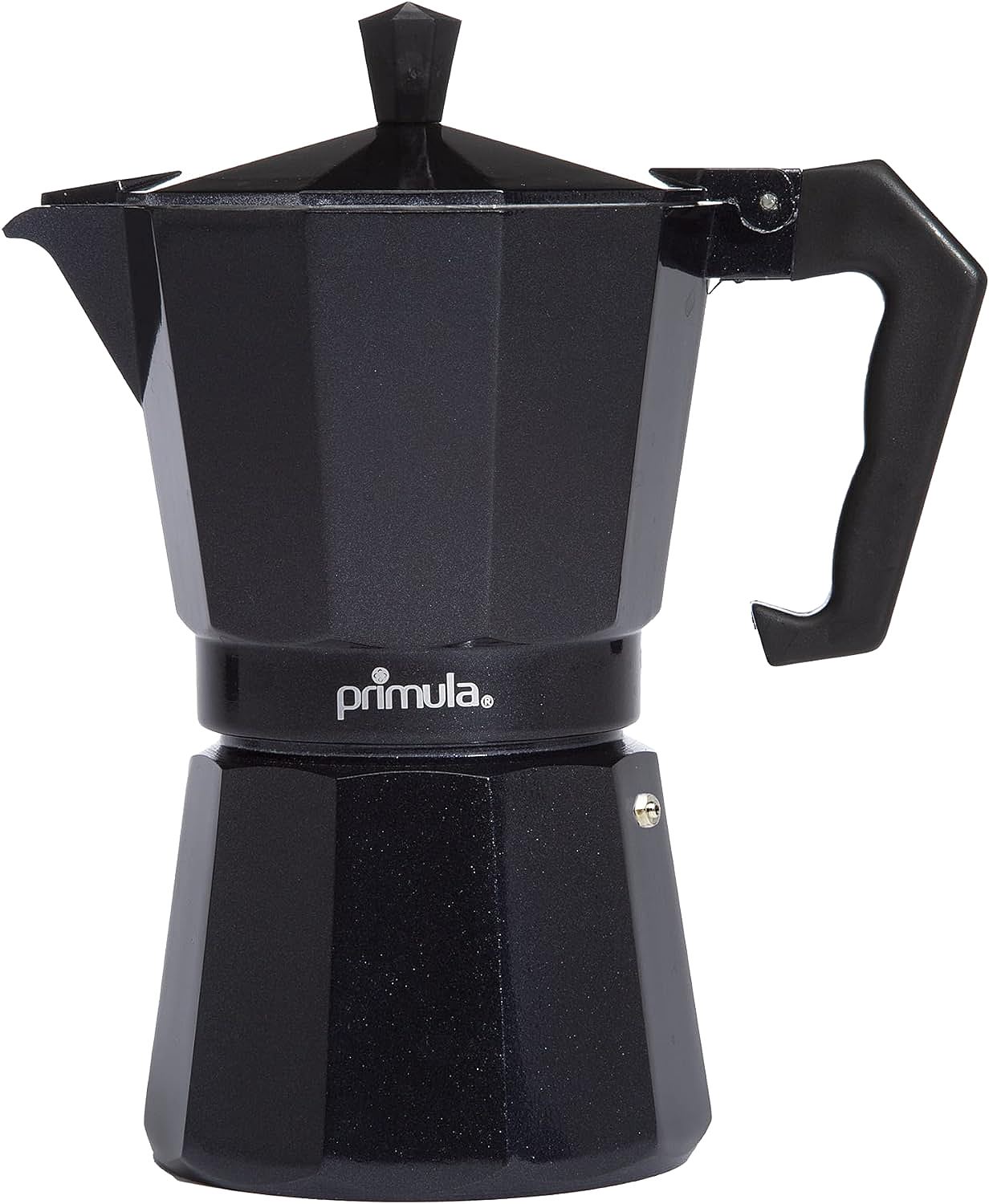
Primula Classic Stovetop Espresso Coffee Maker
In an era of push-button automation, the Moka pot stands as a bastion of manual engagement. It has no microchips, no sensors, and no pumps. The "computer" controlling the extraction is you.
Brewing with a device like the Primula Classic Stovetop Espresso Maker is less about following a recipe and more about managing a Feedback Loop. The pot communicates its status through sound, smell, and sight. Mastering the Moka pot is about learning to interpret these analog signals to navigate the narrow path between under-extraction (sourness) and over-extraction (bitterness).

The Variable of Heat: Managing Energy Input
The most critical variable in stovetop brewing is the heat source. * The Slow Start: Starting with cold water requires a longer time on the stove, which can "cook" the coffee grounds before brewing begins. Many experts recommend starting with boiling water in the base to minimize this thermal exposure. * The Gentle Flow: Once brewing starts, the goal is a steady, oozing flow, not a violent geyser. If the heat is too high, the steam pressure spikes, forcing water through the puck too fast (channeling) and spraying hot coffee everywhere. * The Feedback: The user must watch the flow. It should look like warm honey. If it sputters, turn the heat down. If it stalls, turn it up slightly. This dynamic adjustment is the art of the brew.
The Strombolian Phase: Knowing When to Stop
The most common mistake in Moka pot brewing is letting it finish.
As the water level in the bottom chamber drops, the tube eventually begins to suck up a mixture of steam and water. This creates a sputtering noise and bubbles—the "Strombolian Phase" (named after the volcano).
* The Chemistry of Bitterness: The steam reaching the coffee at this stage is superheated (over 100°C). It extracts harsh tannins and dry distillates, ruining the cup.
* The Intervention: The art is to stop the brewing before this phase begins. When the rich stream turns pale yellow and the first bubble appears, the pot must be removed from the heat immediately. Running the base under cold water ("The Shock Stop") instantly condenses the remaining steam, halting extraction and preserving sweetness.

The Grind: Resistance is Futile (If It's Wrong)
In a machine without a pump, the coffee bed provides the resistance. * Too Fine: A fine espresso grind can choke a Moka pot. The pressure (1.5 Bar) isn't enough to push through. This can trigger the safety valve. * Too Coarse: Water rushes through without picking up flavor. * The Sweet Spot: A grind slightly finer than sea salt but coarser than flour is ideal. It provides enough resistance to build pressure but allows flow. The Primula's filter basket is designed for this specific granulometry.
Social Volume: The 6-Cup Metric
The Primula Classic is a "6-Cup" brewer. In Moka terms, a "cup" is a 50ml demitasse shot. * The Yield: This produces about 300ml of strong coffee. This volume dictates the social context. It is perfect for two people sharing mugs (diluted with water or milk) or 4-6 people sharing traditional shots after dinner. * The Indivisibility: Unlike a drip machine, you cannot brew "half a pot" in a Moka pot. The physics of the pressure chamber require the water and coffee levels to be full to function correctly. This makes the pot a dedicated tool for a specific volume, enforcing a communal aspect to the ritual.
Conclusion: The Reward of Attention
The Moka pot demands attention. You cannot walk away from it. In exchange for this attention, it offers a cup of coffee with a depth and body that no drip machine can match.
The Primula Classic is a tool for mindfulness. It forces the user to be present, to listen, and to react. In a distracted world, this requirement for focus is perhaps its greatest attribute. It turns the morning routine into a craft.

Primula Classic Stovetop Espresso Coffee Maker
Related Essays
The Renaissance of Analog Pressure: Decoding the Physics and Ritual of Stovetop Espresso

The Engineering of Espresso: Why the Alessi 9090 is the Ultimate Induction Stovetop Maker
The Moka Pot Masterclass: 5 Variables to Control for Perfect Coffee Every Time
