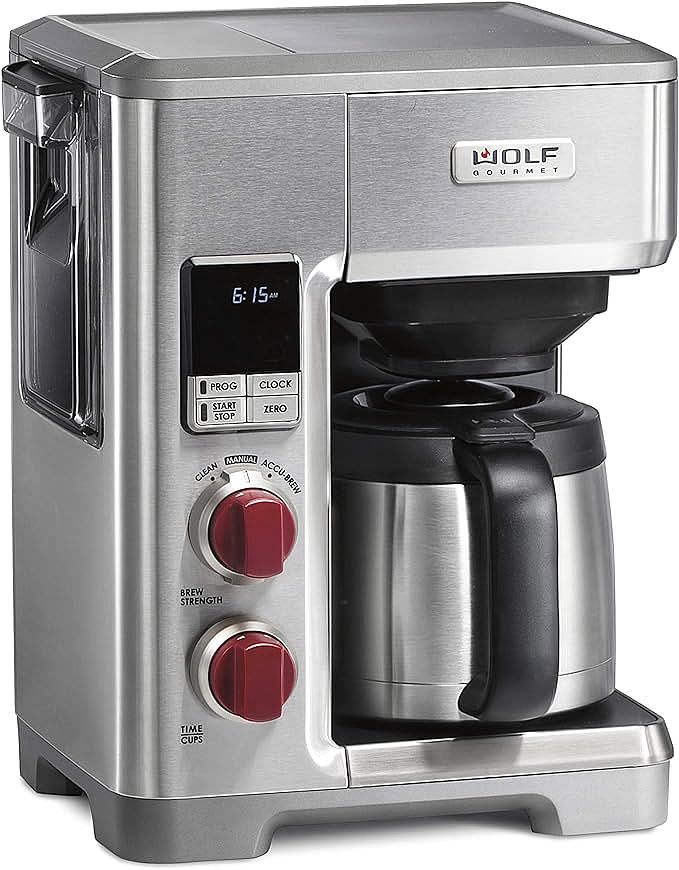
The Science of the Perfect Cup: How a True Temperature Kettle Elevates Your Brew

Wolf Gourmet WGKT100S True Temperature Electric Kettle
The Overlooked Secret to a Perfect Brew: Why Temperature is Everything
We've all been there. You buy expensive, artisanal coffee beans or delicate, single-origin tea leaves, only for the final cup to taste disappointingly bitter or frustratingly flat. The culprit isn't the beans or the leaves; it's the one variable most of us ignore: water temperature.
Brewing is not simply an act of adding hot water. It's an act of chemical extraction. Inside every coffee ground and tea leaf lies a complex world of compounds—oils, acids, sugars, and polyphenols. The temperature of your water acts as the key, unlocking these compounds at different rates. Too hot, and you violently extract bitter-tasting tannins, scorching the delicate flavors. Too cool, and you're left with a weak, underdeveloped brew that tastes more like flavored water.
This guide is your masterclass in temperature. We'll explore the science of why it matters and examine how precision-engineered tools are designed to master it. Forget guesswork; it's time to brew with intention.
The Chemistry in Your Cup: A Brewer’s Guide to Extraction
To truly appreciate precision, let's first understand the science. Think of your tea leaves or coffee grounds as a treasure chest of flavors. Your goal is to extract the gold (the sweet, aromatic compounds) without releasing the pirates (the bitter, astringent tannins).
Here’s a simple breakdown of ideal temperature zones for your favorite beverages:
- Delicate Green & White Teas (165-175°F / 74-79°C): These teas are rich in catechins, which provide sweet, umami notes. Water that's too hot will destroy these delicate compounds and release a flood of bitterness. A lower temperature gently coaxes out their subtle character.
- Oolong Teas (185-195°F / 85-91°C): Oolongs sit between green and black teas, with a wider spectrum of flavors. This moderate temperature range is perfect for unlocking their floral and fruity notes without over-extracting the tannins.
- Black Teas & Pour-Over Coffee (200-205°F / 93-96°C): These require hotter water, just shy of a full boil, to break down their more robust compounds and achieve a full-bodied, rich flavor profile. A full, rolling boil (212°F / 100°C) can often scorch the grounds and lead to a harsh taste.
Achieving these specific temperatures with a standard stovetop kettle is nearly impossible. You boil the water and then guess as it cools. This is where a true temperature kettle becomes not a luxury, but a fundamental tool for anyone serious about their brew.

The Engineering of Control: Anatomy of a Precision Kettle
How does a high-performance kettle provide such consistent results? It's a symphony of intelligent design and fundamental physics. Let’s use the Wolf Gourmet True Temperature Electric Kettle (WGKT100S) as our case study to understand the engineering principles at play.
1. The Brain: Achieving Pinpoint Temperature Accuracy
The core of any precision kettle is its ability to heat water to a specific temperature and hold it there. This is accomplished through a combination of highly sensitive thermal sensors and a smart control system.
Instead of just heating until the water boils, this system constantly monitors the temperature. When you select a preset—for instance, the "Green Tea" setting—you're telling the kettle's "brain" to heat the water to precisely 175°F and then stop. The manual mode on a device like the Wolf Gourmet kettle gives you even more granular control, often in one- or five-degree increments, allowing you to dial in the perfect temperature for everything from blooming yeast for bread (around 110°F) to preparing the perfect cup of Gyokuro tea (as low as 140°F).
This eliminates the biggest variable in brewing, giving you a reliable, repeatable foundation for a perfect cup, every single time.
2. The Fortress: The Physics of Heat Retention
Heating the water is only half the battle. Keeping it at the target temperature is just as important. A standard kettle starts losing heat the moment it's turned off. A well-engineered thermal kettle, however, is built like a fortress to defend against heat loss. To understand how, let's look at the three ways heat escapes:
- Conduction: Heat transfer through direct contact. (e.g., the hot inner wall touching the cooler outer wall).
- Convection: Heat transfer through the movement of fluids, like air. (e.g., warm air rising from the surface of the water).
- Radiation: Heat transfer via infrared waves. (e.g., heat radiating off the kettle's surface).
The double-wall thermal stainless steel carafe found in the Wolf Gourmet kettle is a masterclass in combating these forces. The vacuum or air gap between the inner and outer walls acts as a powerful insulator. Since there are very few air molecules in this gap, it dramatically reduces heat transfer by both conduction and convection. The result is an exterior that remains cool to the touch while the water inside stays hot for much longer.
This energy-efficient design is complemented by features like an extended keep warm function, which can hold a precise temperature for up to an hour. This is invaluable for serving multiple guests or for complex pour-over coffee routines, ensuring your last pour is just as precise as your first.

Thoughtful Design: Details That Elevate the Experience
Beyond the core technology, superior tools are defined by thoughtful details that address common frustrations.
- Water Purity: Hard water minerals can build up as scale and negatively impact flavor. A removable mesh filter in the lid helps capture these deposits, ensuring a cleaner taste.
- Ease of Cleaning: A narrow opening makes cleaning inside a kettle a nightmare. A wide kettle opening is a simple but crucial design choice that allows for easy access to wipe down the interior, preventing mineral buildup over time.
- Safety and Durability: Features like automatic shutoff and boil-dry protection are non-negotiable. They prevent damage to the appliance and provide essential peace of mind. A brand's confidence in its engineering is often reflected in its warranty; a long-term warranty, such as Wolf Gourmet's five-year limited warranty, signals a product built for years of reliable service.
- Cord-Free Serving: The ability to lift the kettle off its 360-degree base makes for effortless pouring at the table without the encumbrance of a cord.

From Ritual to Reward: Mastering Your Brew
Understanding the science of brewing transforms it from a mundane routine into a rewarding ritual. It empowers you to become an active participant in crafting your perfect cup. While any method of heating water can get you started, a true temperature kettle is an instrument of precision that gives you ultimate control.
By mastering temperature, you unlock the full potential locked within your tea leaves and coffee grounds. You discover nuanced flavors you never knew existed. An appliance like the Wolf Gourmet True Temperature Kettle is more than just a way to boil water; it’s a tool that respects the art and science of brewing, and in doing so, elevates your entire experience.
Wolf Gourmet WGKT100S True Temperature Electric Kettle
Related Essays
Sincreative CM9429 Single Serve Coffee Maker: Brewing Convenience and Flavor in
The Science of Single-Serve Coffee: Chasing the Golden Cup

Why Your Office Coffee Problem Is Really an Extraction Physics Problem
Why Your Pour-Over Tastes Different Every Morning

Brewing Under Pressure: The Thermodynamics of Stovetop Coffee
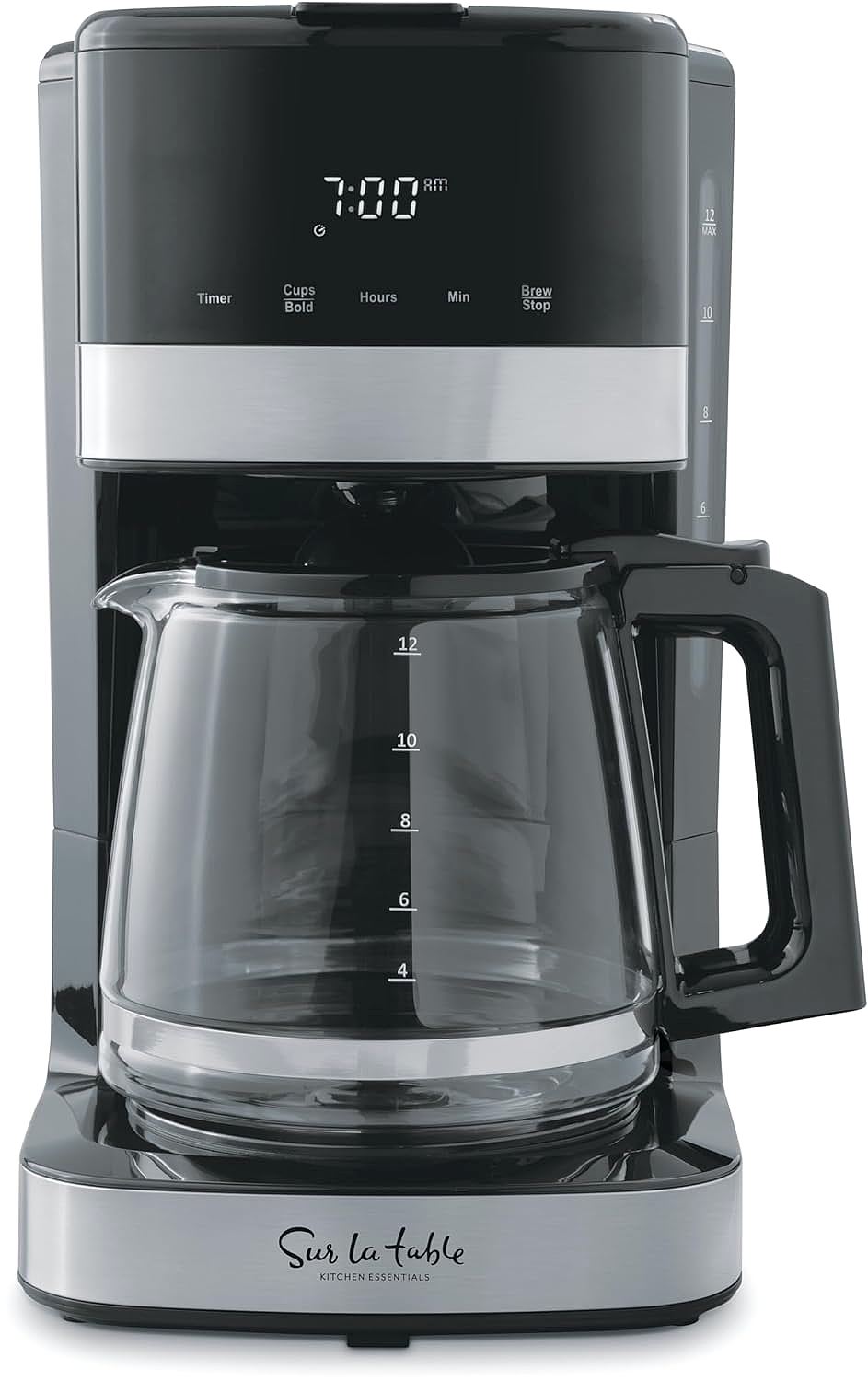
Master Your Morning Brew: A Practical Guide to Drip Coffee with the Sur La Table SE-4100

Beyond the Manual: The Brewing Science Behind Your Calphalon 14-Cup Coffee Maker's Features
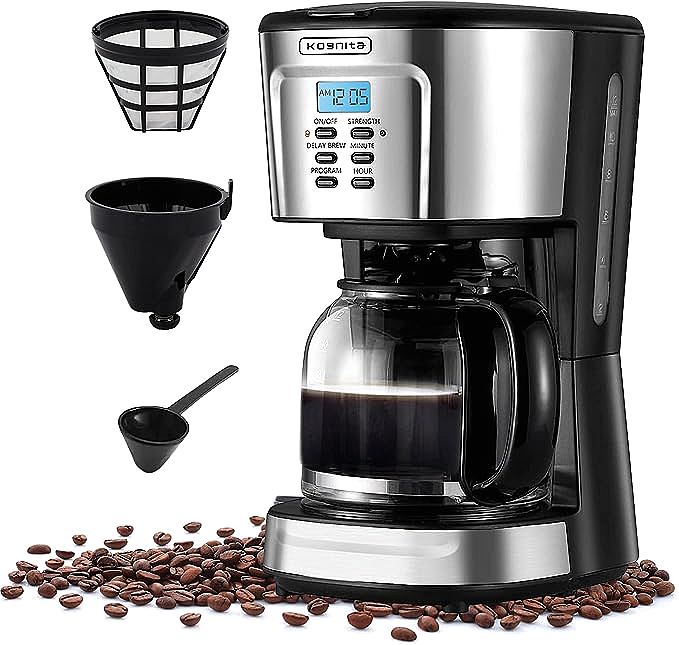
The Science of a Perfect Cup: Deconstructing the Kognita 12-Cup Coffee Maker

Mr. Coffee TM-75 Iced Tea Maker: The Science of a Perfect Brew at Home