The Physics of Freshness: Why Aluminum Matters for Latin Espresso
Update on Dec. 19, 2025, 4:40 p.m.
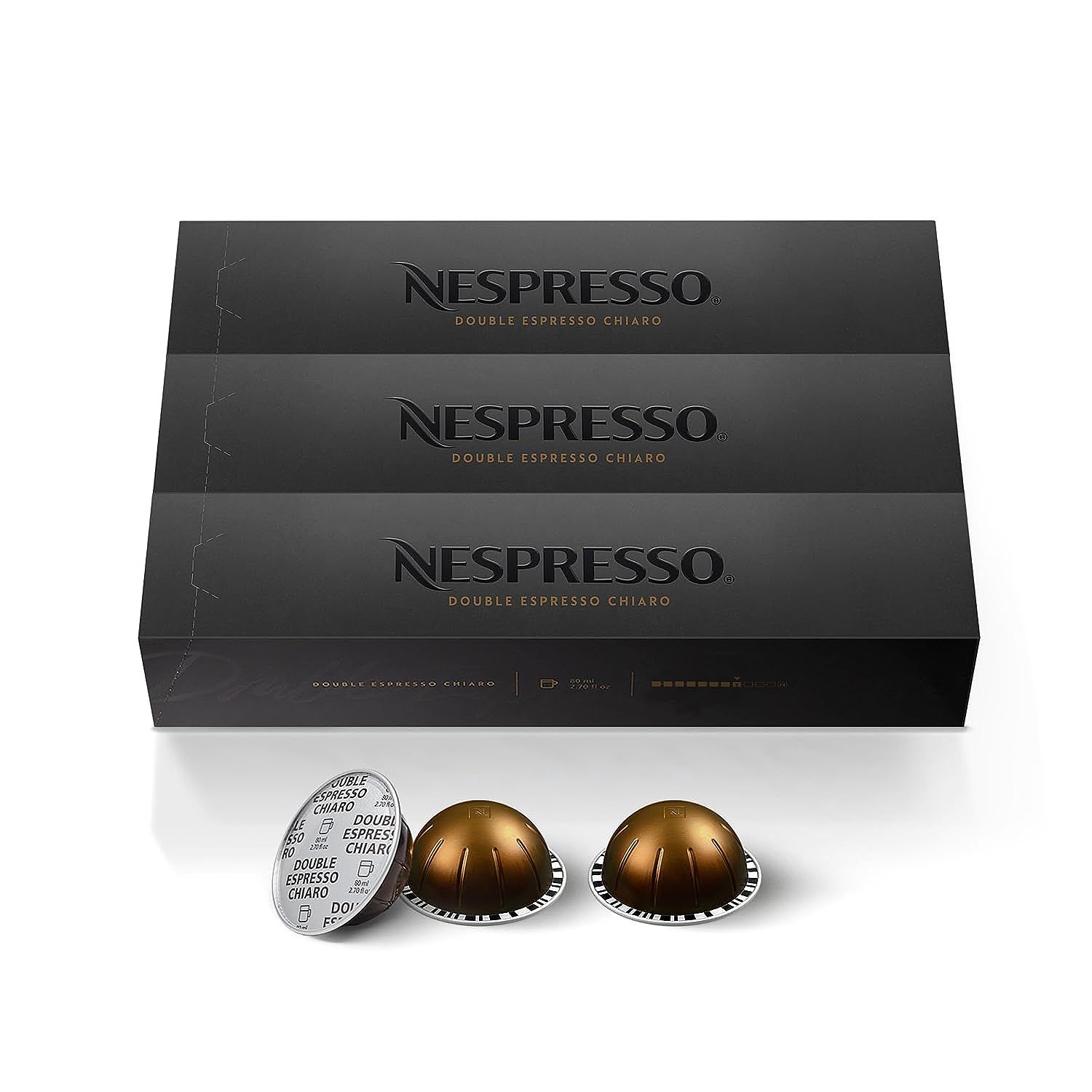
In the world of single-serve coffee, the capsule material is not merely a packaging choice; it is a critical component of the preservation technology. For years, the market was flooded with plastic alternatives that claimed compatibility but often failed to deliver on freshness. The shift of heritage brands like Cafe La Llave to aluminum capsules represents a triumph of materials science over cost-cutting convenience.
To understand why this matters, especially for a “Latin-style” espresso known for its volatility and intensity, we must delve into the physics of oxidation and the unique barrier properties of aluminum.

The Enemy: Gas Permeability and Oxidation
Coffee is an unstable organic product. From the moment it is ground, it begins to degrade. The primary culprit is oxidation—the reaction of coffee oils and volatile organic compounds (VOCs) with oxygen in the air. This reaction strips coffee of its vibrant aromatics and replaces them with flat, rancid notes.
Plastic, despite appearing solid, is permeable at a microscopic level. Over weeks and months, oxygen molecules can migrate through the polymer matrix of a plastic capsule, while the pressurized CO2 inside the coffee (essential for crema) slowly leaks out. This phenomenon is known as gas permeability.
Aluminum, however, is a metal lattice. At the thickness used in coffee capsules, it provides a near-absolute barrier to oxygen, moisture, and light. It effectively freezes the coffee’s chemical state in time. For a dark roast like Cafe La Llave, which relies heavily on volatile pyrazines (nutty/roasty notes) and sulfur compounds (which can turn unpleasant if oxidized), this barrier is not a luxury; it is a necessity.
The Nitrogen Flush: Creating an Anaerobic Vault
The effectiveness of the aluminum barrier is maximized by a process called Nitrogen Flushing. Before the capsule is sealed, the oxygen is vacuumed out and replaced with nitrogen, an inert gas. Because the aluminum seal is hermetic, the coffee grounds sit in a purely anaerobic environment.
This is why, when you puncture a La Llave capsule, the aroma that fills the room is as potent as freshly ground beans. You are literally releasing a time capsule of aromatics that were trapped at the factory in Southern California. Plastic capsules, with their higher permeability, often struggle to maintain this internal pressure over long shelf lives, leading to weak extraction and poor crema.

Thermal Conductivity and Extraction Dynamics
Beyond preservation, aluminum plays a crucial role during the actual brewing process inside a Nespresso machine. Aluminum has high thermal conductivity. When hot water enters the capsule, the aluminum walls quickly heat up, ensuring that the water temperature remains stable throughout the extraction bed.
Plastic, being an insulator, can absorb heat from the water, potentially lowering the extraction temperature slightly at the critical initial phase. For a “Intensity 11” dark roast, maintaining a high extraction temperature (around 195°F-200°F) is vital to solubilize the heavy oils and caramelized sugars that give Latin espresso its signature body.
Furthermore, the rigidity of aluminum allows the machine’s blades to pierce the capsule cleanly and consistently, ensuring optimal water flow and pressure buildup (19 bars). Plastic capsules sometimes deform or fail to pierce correctly, leading to leaks or “watery” shots.
The Sustainability Paradox: Mono-Material Recycling
While aluminum production is energy-intensive, its lifecycle offers a distinct advantage: it is infinitely recyclable without degradation. Plastic capsules, often made of complex multi-layer polymers to improve barrier properties, are notoriously difficult to recycle because the layers cannot be easily separated.
Cafe La Llave’s partnership with TerraCycle leverages this property. By collecting the used capsules, the aluminum can be smelted down and reused, while the coffee grounds are composted. This creates a circular loop that is far more viable than the “wish-cycling” often associated with plastic pods.
Conclusion: Engineering Tradition
The transition of a 140-year-old coffee brand into aluminum capsules is not just a modernization; it is an act of preservation. It uses the best available physics to ensure that the “Intense Latin Flavor” developed over generations is not lost to the slow, invisible thief of oxidation. It is engineering serving tradition.