The Engineering of Choice: Thermodynamics, Fluid Dynamics, and the Legacy of the Nespresso Expert
Update on Jan. 5, 2026, 7:40 p.m.
In the timeline of home coffee appliances, there are machines that simply make coffee, and there are machines that attempt to change the conversation. The Nespresso Expert by Breville (BEC720) belongs firmly in the latter category. Launched at a time when single-serve coffee was synonymous with “one button, one taste,” the Expert introduced a radical concept: variables. It dared to ask whether the convenience of a capsule system could coexist with the precision of a semi-automatic espresso machine.
While this specific model may now be a part of Nespresso’s history, the engineering principles it pioneered—variable temperature extraction, independent hot water lines, and the distinct hydrodynamics of the Americano—remain the bedrock of modern premium coffee making. This article deconstructs the Nespresso Expert not just as a consumer product, but as a study in the physics of extraction. We will explore how temperature alters solubility, why the method of dilution matters, and how 19 bars of pressure interact with the humble coffee capsule.
The Thermodynamics of Extraction: Why Temperature Matters
The most defining feature of the Nespresso Expert was its dedicated temperature dial, offering three distinct settings: Medium, Hot, and Extra Hot. To the casual observer, this might seem like a simple preference for how much one wants to burn their tongue. However, from a chemical engineering perspective, temperature is a solvent capability switch.
Solubility and the Flavor Spectrum
Coffee extraction is the process of dissolving soluble compounds from the ground bean into water. These compounds do not dissolve at the same rate. * Acids (Fruity/Sour): Highly soluble, extract quickly even at lower temperatures. * Sugars (Sweet): Moderately soluble, require stable heat to fully caramelize and dissolve. * Plant Fibers (Bitter/Astringent): Less soluble, require high energy (high temperature) to break down.
By allowing the user to modulate temperature, the Expert enabled a form of flavor profiling. * Medium Setting: Ideal for light-roasted, fruity capsules. Lower temperature reduces the extraction of heavy, bitter compounds, allowing the delicate volatile aromatics (floral, citrus notes) to shine without being overshadowed by thermal degradation. * Extra Hot Setting: Perfect for dark roasts. The high energy maximizes the extraction of body and heavy oils, emphasizing the chocolate and nutty notes that define a robust espresso.
This feature acknowledged a fundamental truth: not all coffee beans are created equal, and treating them with a monotonic thermal profile is a disservice to the chemistry of the bean.

Fluid Dynamics: The Americano vs. The Lungo
Perhaps the most significant innovation of the Nespresso Expert was its dedicated Americano setting and the engineering architecture required to support it: a separate hot water spout. This distinction highlights a critical lesson in fluid dynamics and taste.
The Problem with “Long” Extraction (Lungo)
In many capsule machines, making a larger cup of coffee (Lungo) involves simply running more water through the same capsule. * Physics: As water continues to flow through the spent grounds, it exhausts the desirable compounds (acids, sugars) and begins to extract the undesirable ones (tannins, cellulose). * Result: The final third of a Lungo extraction is often watery, bitter, and astringent. It creates a cup that is voluminous but chemically imbalanced.
The Physics of the Americano
The Expert introduced a true Americano process. It first extracts a standard espresso shot (using the coffee spout), ensuring optimal extraction of flavor without over-extraction. Then, it activates a secondary, independent hydraulic path to dispense pure hot water (using the water spout) into the cup. * Dilution vs. Over-extraction: This is a process of dilution, not continued extraction. By adding pure water to a rich espresso, you open up the flavor profile and increase the volume without dragging out the bitter tail of the coffee grounds. * Hygiene and Purity: The separate spout is crucial. It ensures that the hot water is not tainted by old coffee oils residue in the main nozzle. This engineering choice reflects a commitment to flavor clarity that is rare in consumer appliances.

The 19-Bar Pressure Equation
Like its siblings, the Expert utilized a 19-bar vibration pump. In the previous analysis of other machines, we discussed how high pressure aids in emulsification. In the context of the Nespresso system, this pressure serves a specific mechanical purpose related to the capsule design.
The Membrane Rupture Mechanism
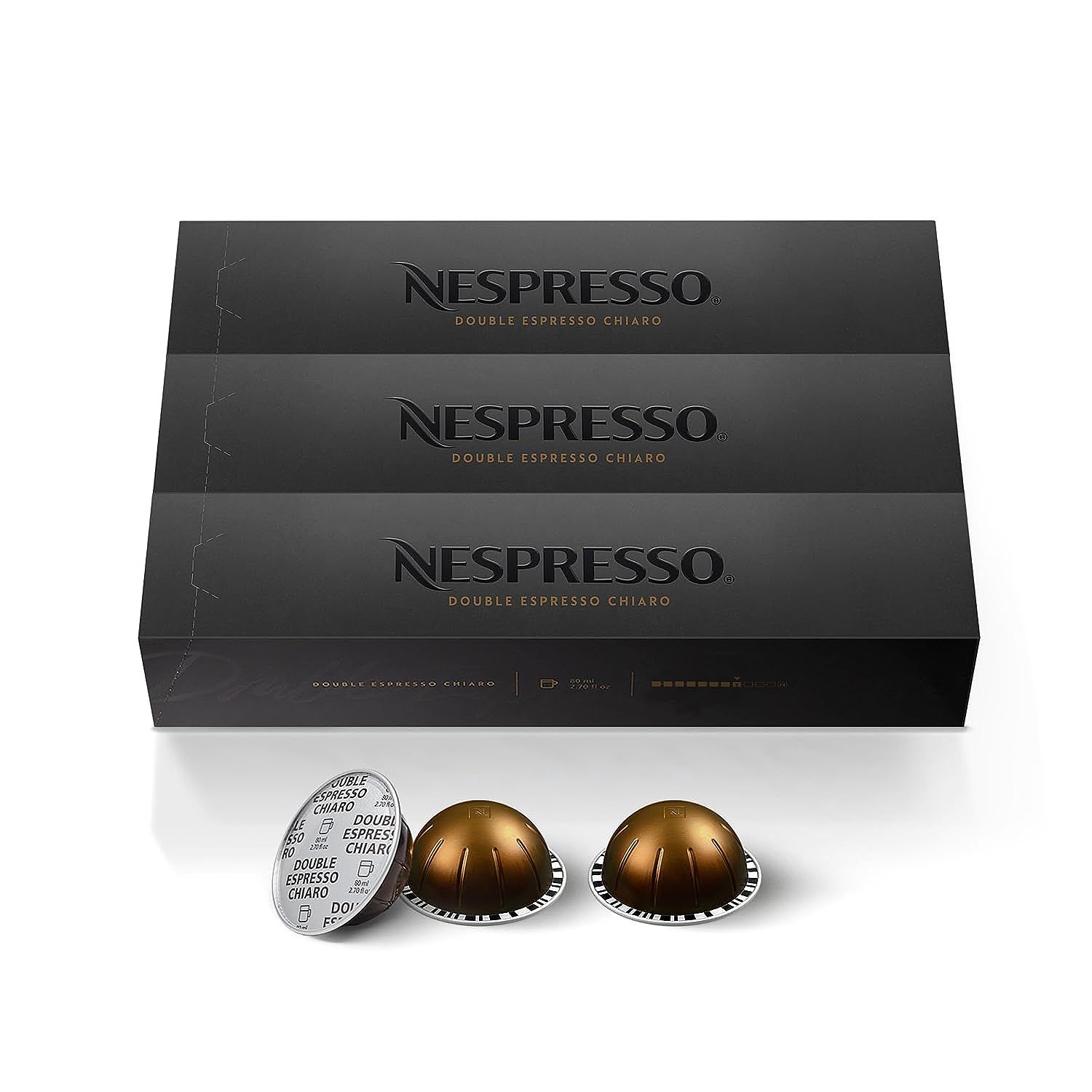
Nespresso capsules are hermetically sealed pressure vessels. During operation:
1. Pierce: Three blades pierce the back of the capsule.
2. Pressurize: The pump forces water in, pressurizing the capsule.
3. Rupture: The foil membrane at the front of the capsule is pressed against a pyramidal plate. Only when the internal pressure reaches a critical threshold does the foil rupture, releasing the coffee.
This mechanism ensures that every extraction happens under high pressure. The pressure gradient across the coffee bed emulsifies the insoluble oils (lipids) and CO2, creating the signature Crema. The Expert’s ability to maintain this pressure while simultaneously managing variable temperature and dual-path water flow is a feat of integrated fluidic circuitry. It manages to isolate the brewing pressure from the hot water dispensing (which requires low pressure), likely through a system of solenoid valves that divert flow based on the selected mode.
The User Interface: Analog Tactility in a Digital Age
While the Expert featured Bluetooth connectivity (which we will explore in a separate analysis), its primary interface was remarkably tactile: two large, rotating dials. * The Left Dial: Controls the recipe/cup size (Ristretto, Espresso, Lungo, Americano). * The Right Dial: Controls the temperature.
This design choice is significant in the study of Human-Computer Interaction (HCI). In an era rushing towards touchscreens, the Expert retained the physicality of choice. Rotating a dial provides haptic feedback that affirms the user’s decision. It transforms the abstract concept of “changing parameters” into a physical act. This “analog” feel, juxtaposed with the machine’s internal digital precision, creates a user experience that feels grounded and professional, echoing the knobs and valves of commercial espresso machines.
Conclusion: A Blueprint for Customization
The Nespresso Expert by Breville stands as a landmark in the democratization of coffee parameters. It took the variables that professional baristas obsess over—temperature, yield, and dilution—and packaged them into a form factor accessible to the average kitchen.
By separating the extraction of coffee from the dispensing of water, it taught users the difference between strength and extraction yield. By offering temperature control, it revealed the multidimensional nature of coffee flavor. Even if the machine itself is no longer on shelves, the engineering philosophy it championed—that convenience does not have to mean compromise—lives on in every high-end machine that allows you to tweak a setting. It proved that the home user was ready to be an expert.