The Bialetti Alpina: The Story Behind the Moka Pot with a Feather
Update on Nov. 2, 2025, 7:24 p.m.
Some objects are more than just objects. They are stories you can hold in your hand. They are vessels of history, whispering tales of tradition, courage, and culture. The Bialetti Moka Express Alpina is precisely one of those magical items.
At first glance, it’s a charmingly unique stovetop espresso maker. It has the iconic Bialetti shape, but it’s painted in a distinctive forest green, and, most curiously, it wears a single, jaunty feather on its lid. To the uninitiated, it’s a quirky design choice. But to those who know, that feather is everything.
Welcome, friend. Today, I’m not just going to talk to you about a coffee maker. I’m going to share a story—a story of Italian pride, alpine resilience, and how this little pot became a tribute to a national symbol. Let’s uncover the soul of the Moka Alpina.

The Legend of the Feather: A Tribute to the Alpini
That feather isn’t just decoration. It’s the symbol of the Alpini, the elite mountain infantry of the Italian Army. Founded in 1872, they are the oldest active mountain infantry in the world, renowned for their toughness, their deep connection to the Alps, and their distinctive uniform, which is famously adorned with a single raven feather (penna nera).
The Alpini are more than just soldiers in Italy; they are a beloved cultural institution. They represent the spirit of resilience, camaraderie, and a rugged, down-to-earth strength. The Bialetti Moka Express Alpina is a heartfelt homage to these very troops. The forest green color evokes the alpine landscapes they call home, the unique shape of the lid mimics their iconic cap, and the feather is the unmistakable salute to their legacy.
So, when you hold this Moka pot, you’re holding a piece of that story. It’s a conversation starter, a symbol of appreciation for a rich and storied part of Italian heritage.
The Anatomy of Authenticity: Science in Service of Tradition
Now, for this tribute to be meaningful, it has to be more than just a novelty. It must be a genuinely great Moka pot. And it is, because it’s built upon the same brilliant, time-tested design that Alfonso Bialetti invented in 1933. Let’s look at how its core features are a masterclass in brewing science.
The Iconic Octagonal Shape: A Lesson in Heat
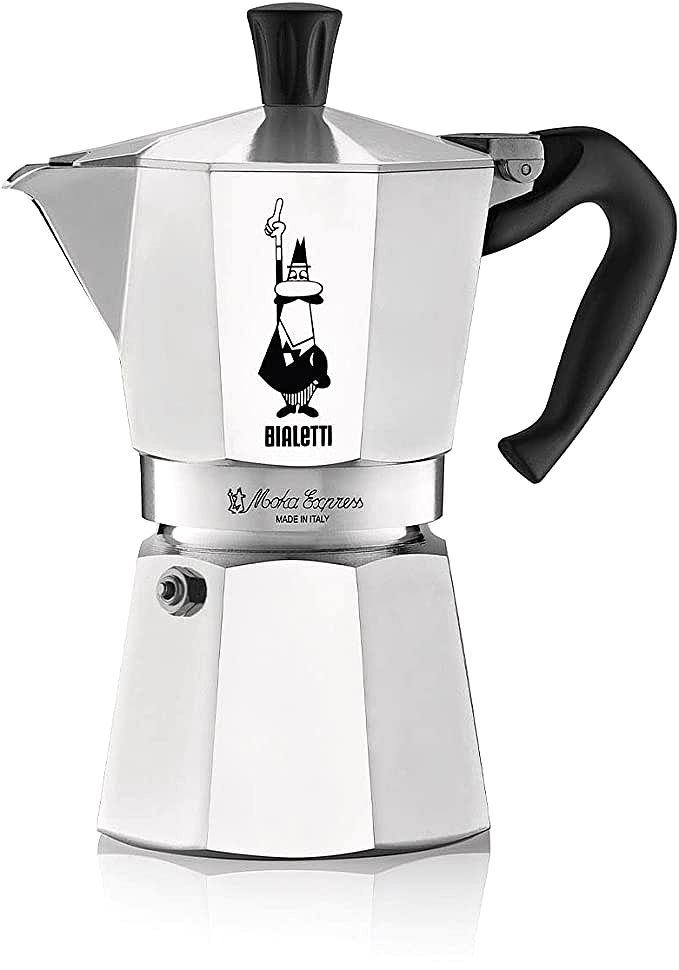
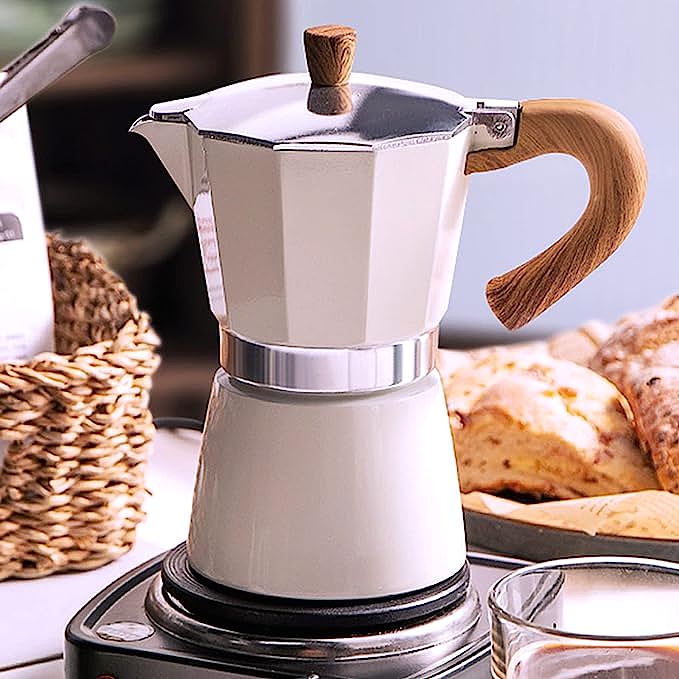
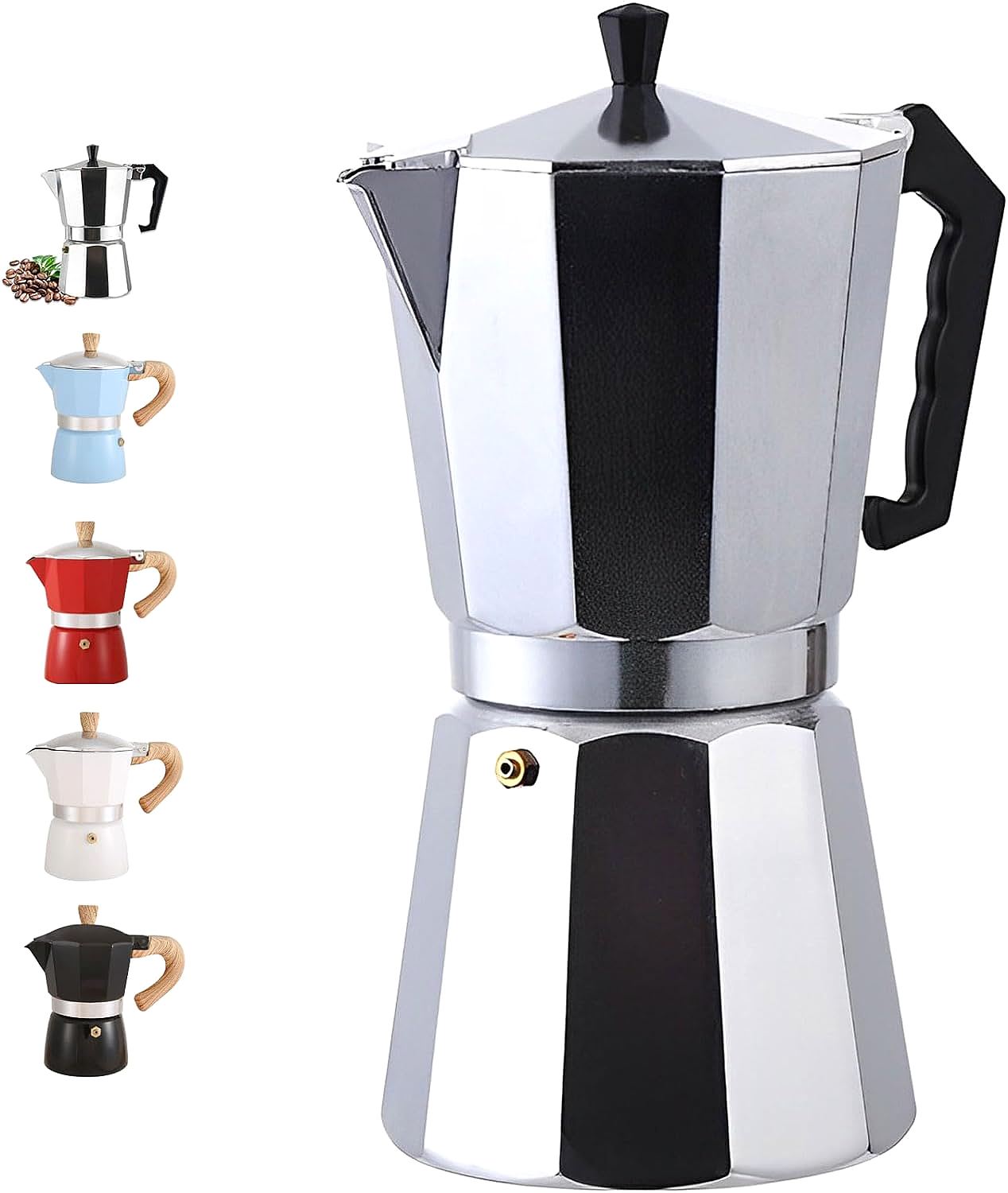
The Moka pot’s eight-sided design is its signature, and for good reason. It’s a functional masterpiece. The facets allow the aluminum pot to diffuse heat more evenly across the base, especially on a gas stove. This is crucial because even heating prevents “hot spots” that can scorch your coffee, leading to bitterness. It’s a simple, elegant solution that ensures the water heats uniformly, which is the first step to a balanced, delicious extraction.

The Aluminum Soul: Why Material Matters
There’s a reason authentic Moka pots are made of aluminum. While stainless steel might seem more modern, aluminum is a far superior conductor of heat. This means the pot heats up quickly and efficiently. Why is speed important? It minimizes the time your coffee grounds are sitting in a hot, dry filter before brewing begins, which can give them a “baked” taste. Aluminum gets the job done fast, preserving the delicate, aromatic compounds of your coffee. It’s the material of tradition, chosen for performance.
The Unsung Hero: The Patented Safety Valve
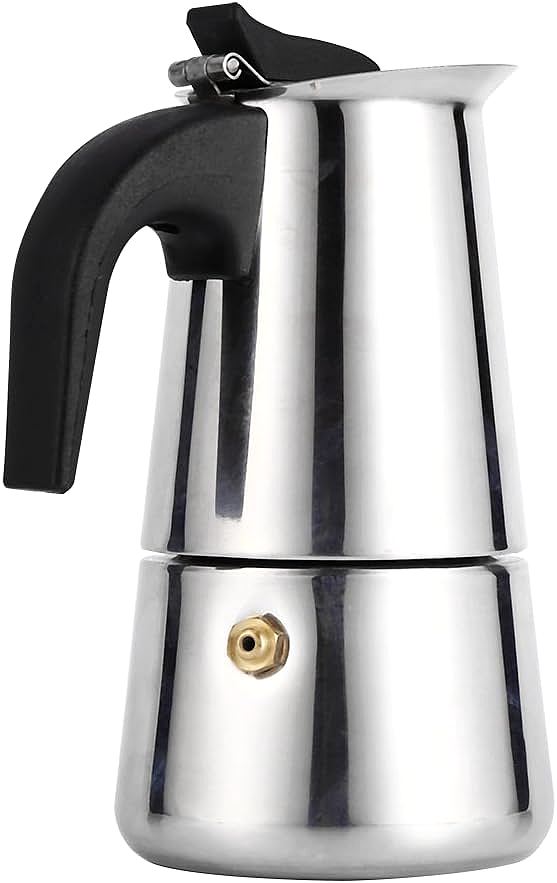
That little brass nub on the side of the boiler is the most important feature you hope you’ll never need. It’s Bialetti’s patented safety valve. Its job is to release excess pressure in the rare event that the filter gets clogged. It’s a critical safety feature that distinguishes genuine Bialetti pots from cheap imitations and a testament to the brand’s commitment to quality and safety.

Your Morning Ritual: Brewing with the Alpina
Understanding the story and science makes the ritual of brewing even more special. Here’s how to craft the perfect cup with your Alpina.
- Fill the Foundation: Unscrew the pot. Fill the bottom chamber (the boiler) with cold, filtered water, right up to the underside of the safety valve. Don’t cover it!
- Create the Heart: Place the funnel filter in the boiler. Fill it generously with a medium-fine ground coffee. Here’s a key tip: Do not press or tamp the coffee down. Moka pots use low pressure, and tamping creates too much resistance. Just level it off.
- Assemble with Care: Screw the green collector top on firmly. You want a good seal, but there’s no need to overtighten.
- The Gentle Heat: Place your Alpina on the stovetop over low to medium heat. The flame should never be wider than the base of the pot. This is vital to protect the beautiful green finish and prevent the handle from getting too hot.
- Listen for the Song: In a few minutes, you’ll hear it—the magical gurgling sound that signals your coffee is rising into the collector. As soon as this “song” begins, turn off the heat immediately. The residual heat is enough to finish the brew. Letting it sputter on the heat is the number one cause of bitter coffee!
- Serve with a Stir: Before you pour, give the coffee in the top chamber a quick stir with a spoon. The coffee that comes out first is stronger than the coffee that comes out last, and stirring ensures a perfectly balanced cup.
A Word on Care: To keep your Alpina beautiful, never wash it with soap or put it in the dishwasher. The aluminum will be damaged. Simply rinse all parts with warm water after it has cooled and let it air dry completely before reassembling. This allows a thin, protective layer of coffee oils to “season” the pot, which enhances the flavor over time.

More Than a Morning Brew
The Bialetti Moka Express Alpina is a truly special object. It’s a functional piece of art that brews a rich, authentic, and delicious cup of coffee. But more than that, it’s a daily connection to a story of Italian pride, alpine adventure, and nearly a century of design genius.
It reminds us that the best objects in our lives are not just tools, but companions. And every morning, as you brew your coffee, that little feather on the lid serves as a quiet salute—to a great tradition, and to the start of a great day.