The Hybrid Kitchen: How Multi-Function Appliances Are Reshaping Home Rituals
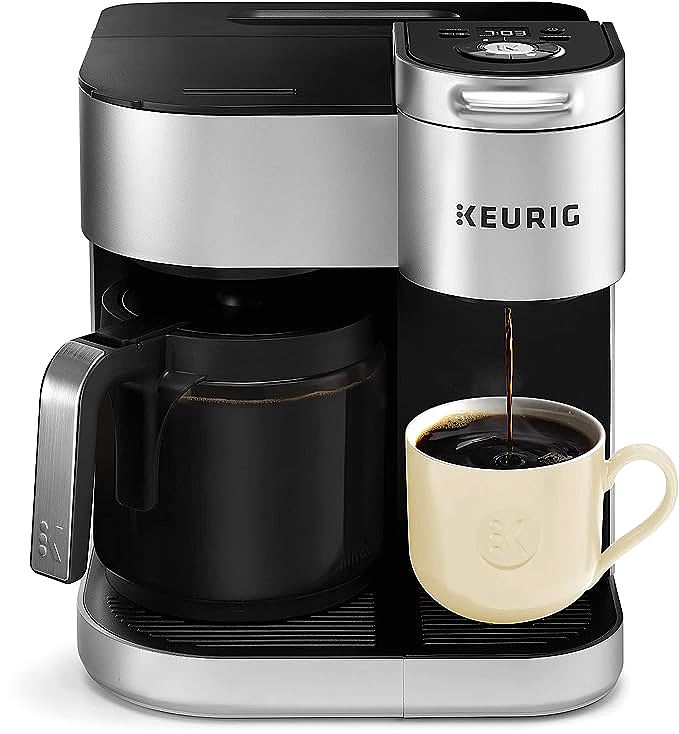
Keurig K-Duo Special Edition Single Serve Coffee Maker
The modern kitchen is in a state of flux. As urban living spaces shrink and our culinary ambitions expand, the countertop has become a battlefield. We want the espresso machine, the drip brewer, the frother, and the kettle, but we simply don't have the square footage. This spatial pressure has given rise to a new breed of appliance: the Hybrid.
The Keurig K-Duo Special Edition stands at the forefront of this movement. It is not merely a coffee maker; it is a response to the fragmented nature of modern life. It acknowledges that sometimes we need the solitary efficiency of a single cup, and other times we crave the communal warmth of a full carafe. By integrating these contradictory needs into a single chassis, hybrid appliances are reshaping our daily rituals, offering a lesson in efficiency, compromise, and the art of living with less.

The Sociology of Coffee Volumes
Coffee consumption is rarely static. It fluctuates with the rhythm of the day and the social context. * The Morning Rush (Single Serve): The weekday morning is defined by speed and individualism. Everyone has a different schedule; everyone wants a fresh cup instantly. The K-Cup side of the K-Duo caters to this "atomized" consumption. It is transactional: caffeine in, energy out. * The Weekend Brunch (Carafe): The weekend, however, is communal. A pot of coffee sits on the table, anchoring the conversation. The Carafe side caters to this "shared" consumption. It is relational: pouring a cup for someone else is an act of care.
The K-Duo physically manifests this duality. It allows a household to switch gears from "efficiency mode" to "hospitality mode" without changing equipment. This flexibility reduces friction in the home, accommodating diverse lifestyles under one roof.
The Engineering of Consolidation
Consolidating two machines into one is not just about gluing them together; it's about Shared Architecture. * The Shared Reservoir: The K-Duo's 60oz water tank feeds both the single-serve pump and the carafe heating element. This eliminates the need for managing two separate water sources, simplifying the user's mental load. * The Footprint Benefit: By sharing the power supply, housing, and reservoir, the K-Duo occupies significantly less space than two separate machines. In design terms, this is "Spatial Efficiency." It frees up valuable counter real estate for prep work or other appliances.
However, consolidation comes with a trade-off: Single Point of Failure. If the main pump or heater fails, you lose both functions. This risk is the price of convenience. It places a premium on build quality and engineering robustness.

Aesthetics of the Unified Appliance
Visually, a hybrid appliance brings order to chaos. A kitchen counter cluttered with mismatched gadgets feels disorganized. A single, cohesive unit like the K-Duo, with its unified silver finish and symmetrical design, projects a sense of calm and competence. * Visual Quiet: By reducing the number of distinct objects in the visual field, the K-Duo contributes to a "quieter" kitchen design. * Design Language: The machine acts as a visual anchor. Its substantial presence signals that this is the "Coffee Station," defining the purpose of that corner of the kitchen.
The Paradox of Choice
Having options can sometimes lead to decision paralysis. However, the K-Duo manages this by separating the functions physically. The Pod interface is on the left; the Carafe interface is on the right. This Spatial Separation of Function makes the choice intuitive. You don't need to dig through menus; you simply interact with the side of the machine that matches your current need. * Programmability: The "Auto-Brew" feature for the carafe adds a temporal dimension to this choice. You can make the decision tonight (to have a pot ready) for the benefit of your future self tomorrow morning. This outsourcing of executive function is a key benefit of smart appliances.

Conclusion: The Adaptive Home
The rise of hybrid appliances like the Keurig K-Duo suggests a future where our homes are more adaptive. We no longer want single-use tools; we want flexible platforms that can pivot to meet our changing needs.
Whether you are rushing to a meeting or hosting a leisurely breakfast, the machine adapts to you. In doing so, it supports the fluid, multi-faceted nature of modern life, ensuring that the ritual of coffee—in whatever form it takes—remains a constant source of comfort.
Keurig K-Duo Special Edition Single Serve Coffee Maker
Related Essays