The Art of Alchemy: Unlocking Coffee's Flavor with Home Roasting Science

WantJoin Coffee Bean Roaster Machine
Once, not so long ago, the scent of roasting coffee was a common aroma wafting from American kitchens. Before the age of vacuum-sealed tins and industrial giants, roasting was a domestic ritual, performed in cast-iron pans over open flames. It was an intimate craft, a conversation between person and bean. Today, we are witnessing a renaissance of this lost art, a movement driven not by necessity, but by a passionate pursuit of flavor in its purest form. This journey back to the source transforms you from a mere consumer into a creator, and it all begins with understanding the incredible alchemy that happens inside a machine like a modern home coffee roaster.
Let’s step into the role of the alchemist and explore this transformation, not through abstract charts, but through a symphony of the senses, guided by the fundamental principles of science.

The Sleeping Bean Awakens
Every green coffee bean is a tiny, dense vessel of dormant potential. It holds within its cellular structure the genetic blueprint of its origin—the soil, the altitude, the climate. In its raw state, it smells grassy, vegetal, and is notoriously hard. The first task of the roaster is simply to awaken it. As you pour a batch of these green seeds into the glass chamber of a hot air roaster, the process begins. The machine hums to life, sending a powerful current of heated air upwards.
This initial stage is the drying phase. For the first several minutes, the bean is in an endothermic state, meaning it absorbs energy like a sponge. Its primary job is to shed its internal moisture, which can account for up to 12% of its weight. The color slowly shifts from green to a pale yellow, and the air fills with the scent of hay and, eventually, baking bread. There are no dramatic changes yet, but this is a crucial foundation. An uneven drying phase will haunt the final cup; a steady, consistent application of energy is key, which is where the physics of hot air comes into play.

The Crucible of Flavor: A Chemical Symphony
Once the water has been driven out, the real magic begins. The roaster becomes a crucible for two of nature’s most spectacular culinary reactions.
First, the famed Maillard reaction takes the stage. This is not a single event, but a complex web of chemical reactions between amino acids and reducing sugars. It’s the genius behind the browning of bread and the savory crust of a steak. In coffee, it is the very engine of complexity. As the beans tumble in the hot air, thousands of new aromatic compounds are born. A specific subset of this reaction, known as Strecker degradation, is responsible for creating the aldehydes that give us enchanting floral, honey, and chocolate notes. You are not just browning the beans; you are composing a perfume.

As the temperature continues to rise, caramelization joins the chorus. The bean's own sugars begin to break down and reform, contributing sweetness, body, and the pleasant bittersweet notes we associate with a classic coffee profile. Lighter roasts are a showcase of the Maillard reaction’s delicate complexity, while darker roasts lean into the bold, rich flavors of caramelization.
Then comes the dramatic climax. You’ll hear it before you see it: a distinct, sharp cracking sound, similar to popcorn but more delicate. This is the "first crack." It's a moment of violent, beautiful transformation. The remaining moisture inside the bean has turned to steam, building pressure until it explosively ruptures the cell walls from within. This is not just a sound; it is the moment the bean transitions from an energy-absorbing to an energy-releasing—exothermic—state. It is the moment it truly becomes coffee, releasing a wave of fragrant smoke and its own internal energy.

The Roaster as Your Instrument
A machine like the WantJoin roaster is your instrument for conducting this symphony. Its design, while simple, is rooted in sound physics. The 1400-watt heating element and fan create a vortex of hot air, a principle known as forced convection. Unlike a drum roaster that relies heavily on the hot metal surface (conduction), an air roaster levitates the beans, bathing each one evenly in heat. This method tends to produce a cup with remarkable clarity and bright acidity, as it minimizes scorching and highlights the coffee's intrinsic qualities.
But here we encounter a fascinating challenge that defines the craft. Many home roasters, for the sake of accessibility and cost, omit a precise digital thermometer. This perceived limitation is, in fact, an invitation—a call to abandon the crutch of numbers and engage your most sophisticated sensors: your own eyes, ears, and nose. This is the art of sensory roasting.
- Sight: Your eyes track the profound color shift. The journey from pale yellow to a light cinnamon, through to a milk chocolate brown, and finally to a deep, oily darkness tells a story of sugar development. The high borosilicate glass chamber isn't just for safety against thermal shock; it's your window into the bean's very soul.
- Sound: Your ears become your primary timer. The start of the first crack is a definitive milestone. The time you continue to roast after this point begins—known as the development time—has a massive impact on the final flavor. A short development time preserves bright, acidic notes; a longer one develops sweetness and body.
- Smell: Your nose detects the most subtle shifts. The aroma evolves from grass to toast, then blossoms into a complex bouquet of fruits, caramels, and spices. A slight, acrid smell signals that you are approaching a very dark roast, a warning to stop before the delicate flavors are incinerated.

The Final Act: Capturing Perfection
Your senses tell you the moment is right. The beans have reached their perfect shade of brown, the aromas are intoxicating. But the work is not done. The beans are a molten core of chemical potential, and even if you cut the heat, their own residual energy—their thermal inertia—will continue to roast them.
This is where the automatic cooling function becomes essential. A blast of cool, room-temperature air is forced through the chamber, rapidly halting the roasting process. It’s the chemical equivalent of hitting the emergency brake on a speeding train. This "quenching" is what locks in the flavor. It prevents the beans from tasting flat or "baked" by preserving the volatile aromatic compounds you so carefully developed.

Once cooled, the final test is one of patience. The beans are now teeming with carbon dioxide, a byproduct of the roasting reactions. Brewing them immediately will result in an erratic, underwhelming extraction as the gas fends off the water. They need to rest, or degas, for anywhere from 12 hours to several days. This allows the CO2 to dissipate, finally preparing the bean to release its full, glorious flavor in the final brew.
To roast your own coffee is to complete a journey. It is to take a humble seed and, through the careful application of heat and the guidance of your senses, help it realize its ultimate purpose. It is a ritual that connects you to the vast history of coffee and empowers you to write your own chapter in its story. It is the art of alchemy, right in your kitchen.
WantJoin Coffee Bean Roaster Machine
Related Essays

Decoding the Bean: Thermal Stress, Microbiomes, and Flavor Chemistry

The Science of Pour-Over: How to Master Flavor with Your Coffee Maker
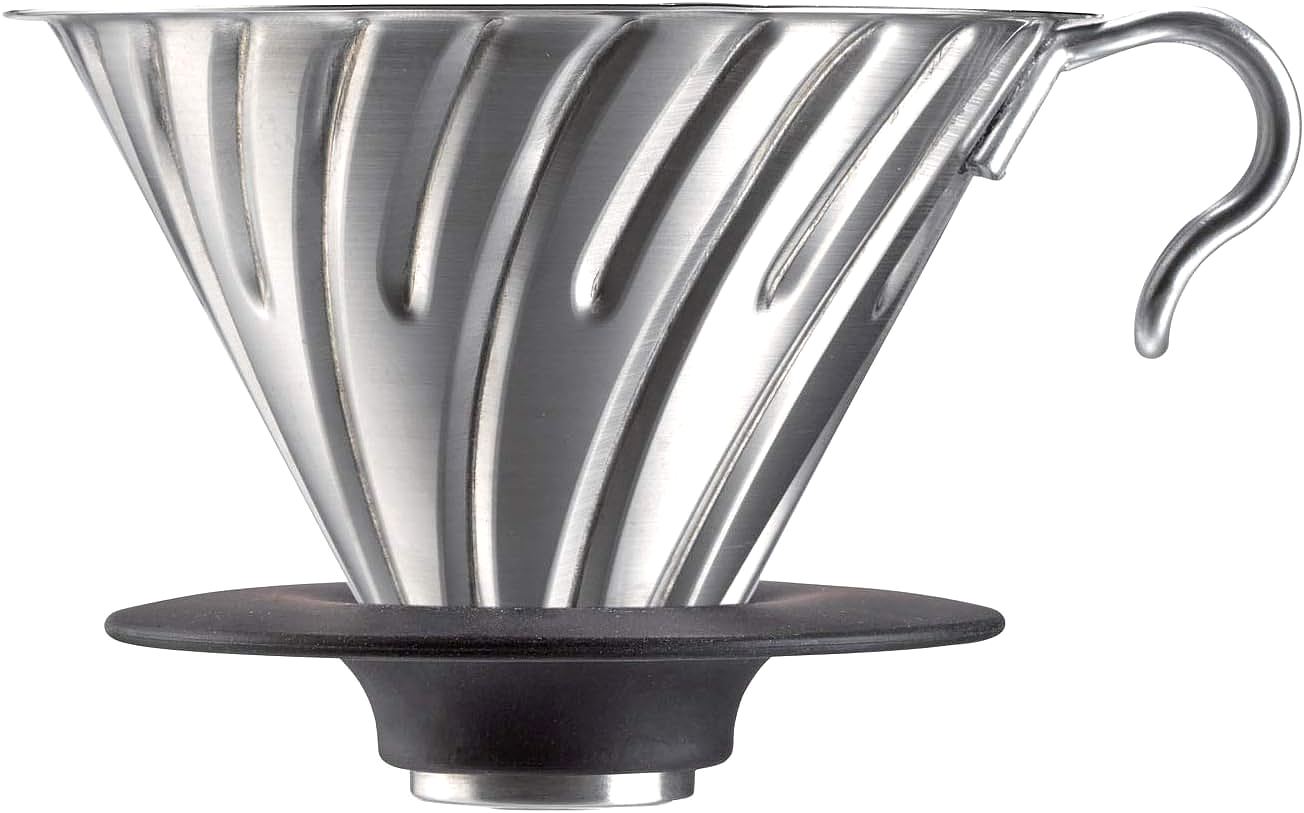
The Physicist's Brewer: Deconstructing the Hario V60's Scientific Soul

From Bean to Brew: The Hidden Science of Your Coffee Grinder
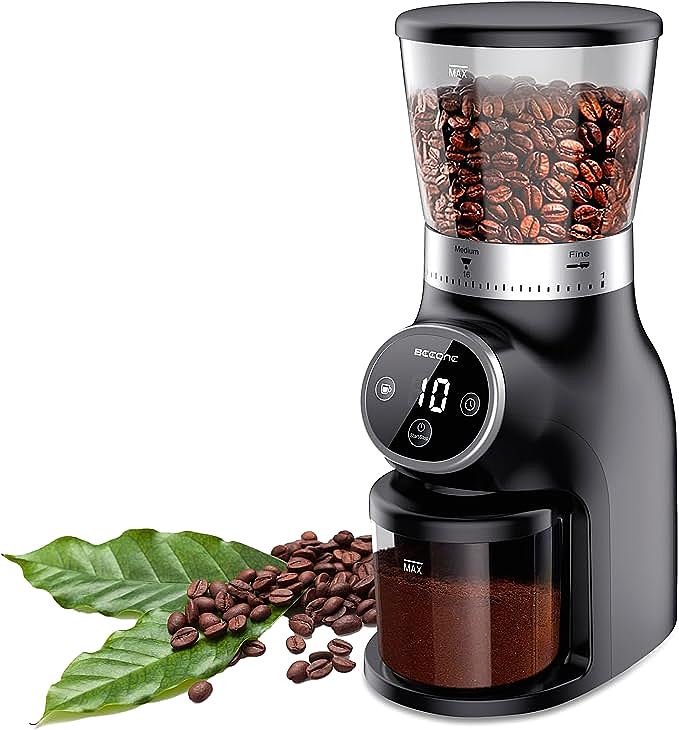
The Alchemy of the Grind: How Science Unlocks Your Coffee's True Flavor
![The Science of a Perfect Pour: A Deep Dive into the Fellow Stagg [XF] Brewer](https://storage.maomihezi.com/file/2024-02-29/61kfJ-MkaQL._AC_SL1500_.jpg?x-oss-process=style/mini_auto)
The Science of a Perfect Pour: A Deep Dive into the Fellow Stagg [XF] Brewer

Bonsenkitchen CM3301 Single Serve Coffee Maker: Brewing Perfect Coffee, Explained
The Alchemy of the Perfect Cup: Decoding the Science and Soul of Exceptional Coffee

Ninja CM407: Your All-in-One Solution for Coffeehouse Quality at Home
