The $16 Barista: Mastering the Physics of the Aluminum Moka Cafetera
Update on Nov. 25, 2025, 5:23 p.m.
In a world of high-tech gadgets and four-figure espresso machines, there is something almost rebellious about the Moka Pot. It has no plugs, no screens, and no pumps. It is a simple vessel of metal and physics.
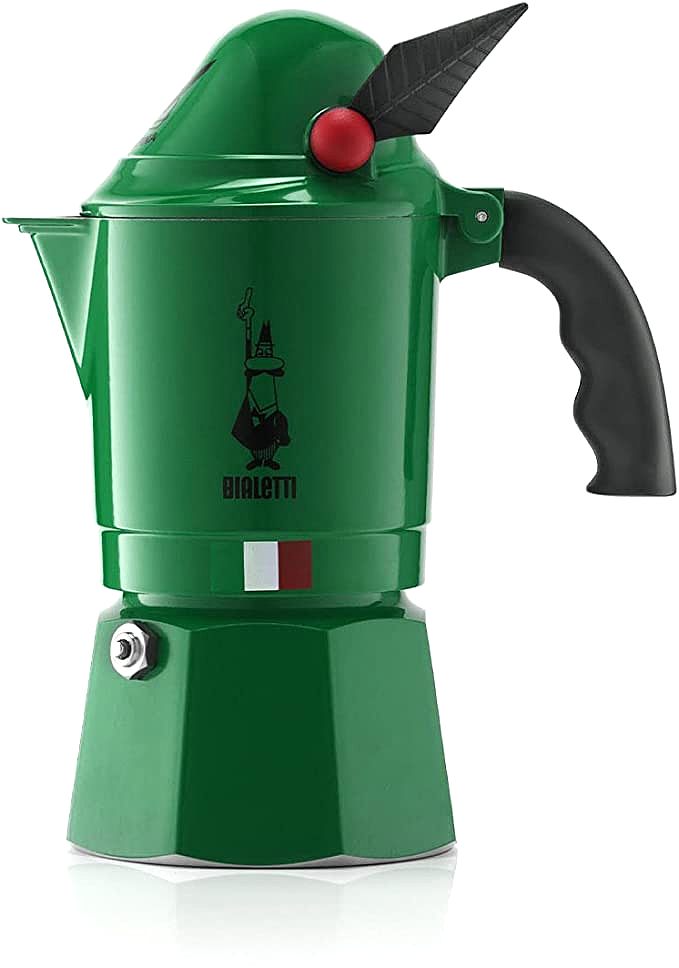
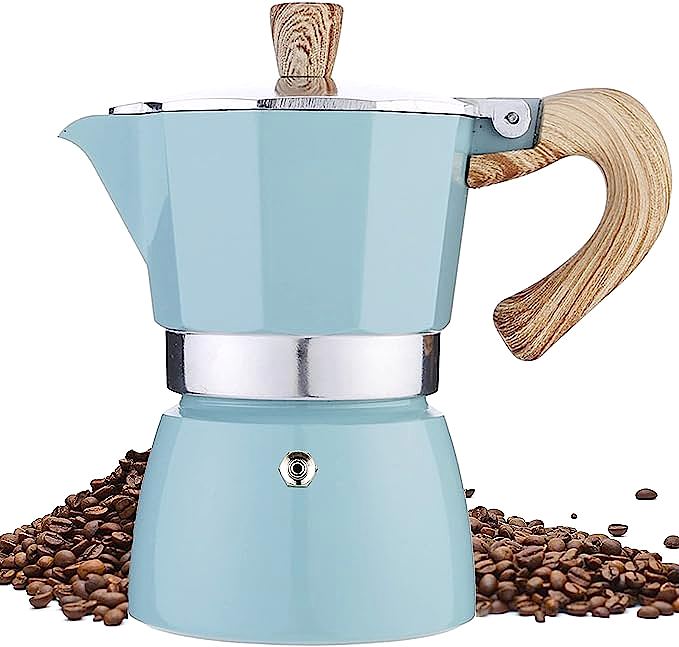
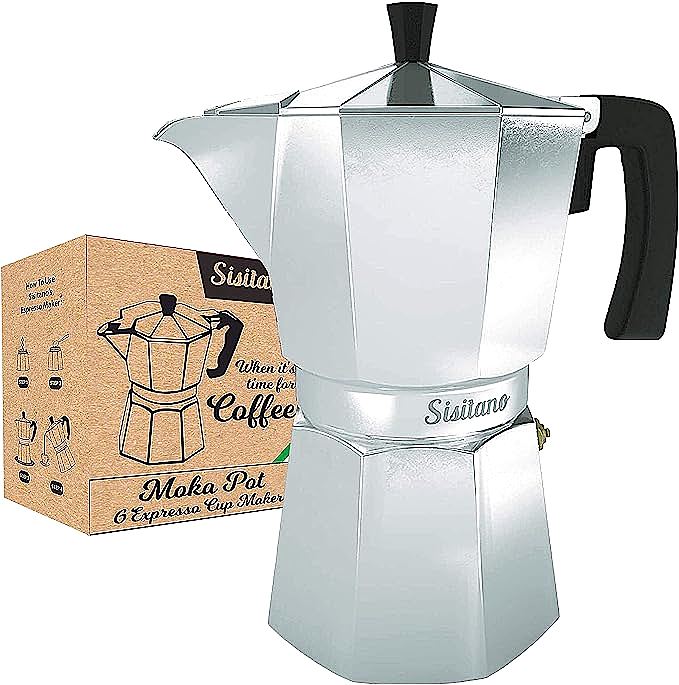
You might look at a product like the Generic 3 Cup Moka Cafetera—with its modest price tag and vibrant green finish—and wonder: “Can this humble aluminum pot really compete with the giants?”
As your mentor in the art of extraction, I am here to tell you that the answer is a resounding yes. But there is a catch. The Moka pot is not a push-button appliance; it is an instrument. It requires you to understand a little bit of science and a little bit of art. Once you master it, you aren’t just making coffee; you are conducting a symphony of steam and pressure.

The Material Science: Why Aluminum Matters
First, let’s talk about the construction. This pot is made of Aluminum. In the age of stainless steel, some might see this as “cheap.” Scientifically, however, aluminum is a strategic choice for stovetop brewing.
Thermal Conductivity is Key
Aluminum conducts heat roughly 4 to 5 times better than stainless steel.
* What this means for you: The pot heats up fast and cools down fast. This responsiveness is critical. When you remove the pot from the stove to stop the extraction, the aluminum dissipates the heat quickly, preventing the coffee from “cooking” and turning bitter. A steel pot holds heat like a cast-iron skillet, often ruining the brew even after you take it off the flame.
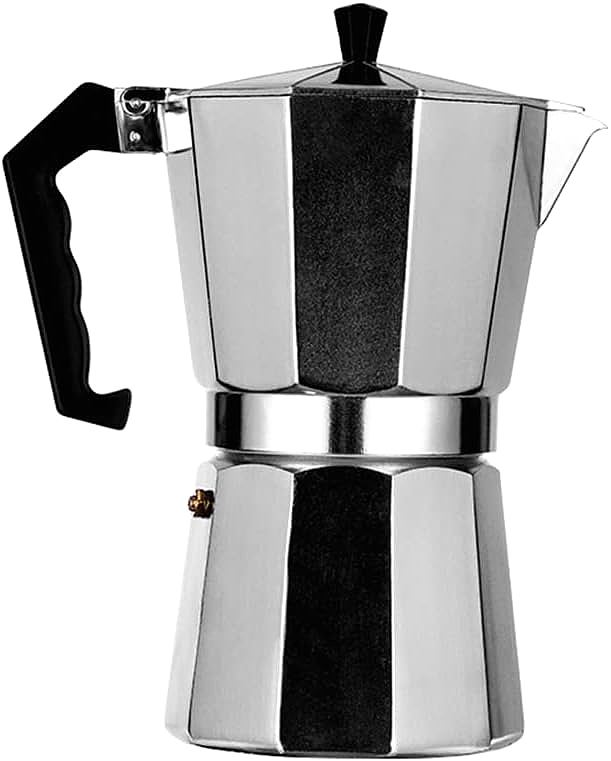
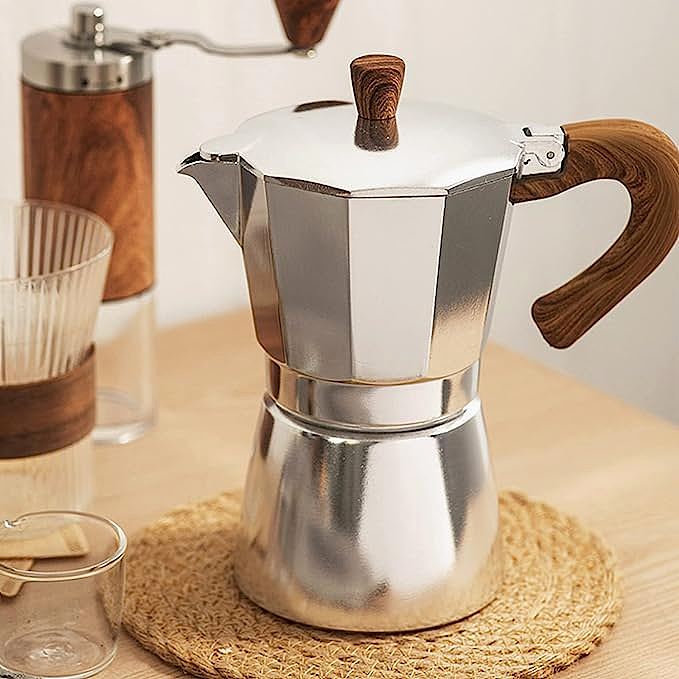
The classic octagonal shape isn’t just for looks, either. It increases the surface area, aiding in that rapid heat dissipation and providing a better grip when screwing the chambers apart.
The Physics of the “Volcano”: Pressure Profiling
To get the best out of this device, you must visualize what is happening inside.
The Moka pot works on the principle of a Geyser.
1. The Boiler (Bottom Chamber): You fill this with water. As it heats, it generates steam.
2. The Pressure: The steam expands, creating pressure. Unlike a commercial espresso machine that hits 9 bars, a Moka pot hits about 1 to 2 bars of pressure.
3. The Push: This gentle pressure pushes the hot water up the funnel, through the coffee grounds, and out the top spout.
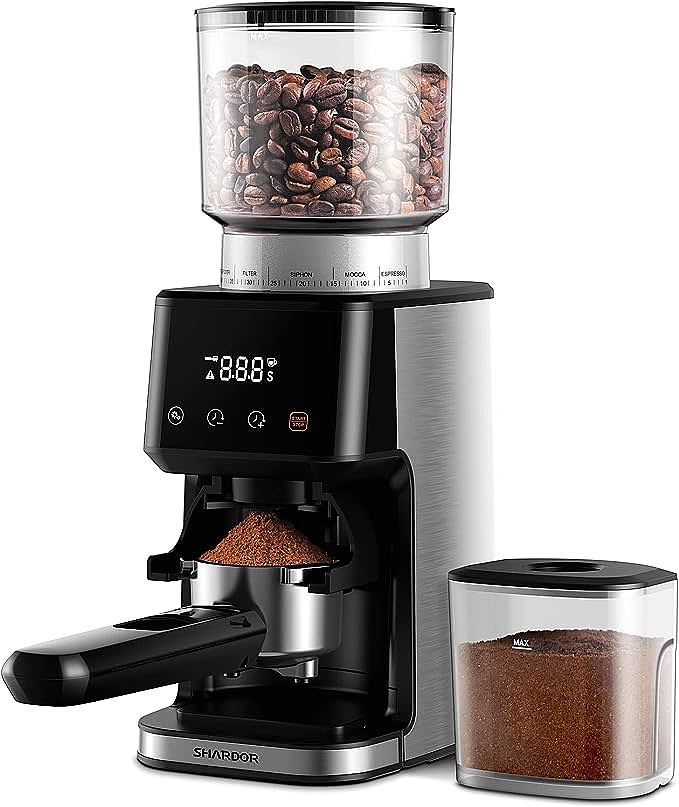
Mentor’s Insight: Because the pressure is lower than a commercial machine, you cannot use the same fine powder grind you would for an espresso machine. If you do, you will clog the system (the safety valve will hiss at you). You need a Medium-Fine Grind—think of the texture of table salt. This allows the water to pass through with just the right amount of resistance.
A Step-by-Step Masterclass in Moka Brewing
Let’s turn this generic pot into a precision tool. Here is the workflow that separates the amateurs from the maestros.
1. The “3 Cup” Reality Check
First, manage your expectations. In Moka terminology, a “cup” is a demitasse (about 50ml). This 3-cup pot produces roughly 150ml (5 oz) of strong coffee. It is not a mug of drip coffee; it is a concentrated elixir meant to be sipped or diluted with milk/water.
2. The Water Temperature Trick
Most people start with cold water. Do not do this.
* The Hack: Fill the bottom chamber with boiling water from a kettle.
* The Why: If you start with cold water, the coffee grounds sit in the metal filter baking on the stove while the water heats up. This “toasts” the coffee before it even brews, leading to a metallic, burnt taste. Starting with hot water minimizes the time your grounds are exposed to heat.
3. The Gentle Fill
Drop your coffee grounds into the funnel basket.
* The Golden Rule: Never tamp (press) the grounds. Remember, we only have 1-2 bars of steam pressure. Tamping creates a brick wall that the steam cannot penetrate. Just level it off gently with your finger.
4. The “Low and Slow” Flame
Screw the top on tight (use a towel if the base is hot from your boiling water trick). Place it on the stove.
* Gas Stove: Keep the flame smaller than the base of the pot. You don’t want fire licking the sides and melting the handle.
* Electric/Induction: Use medium heat.
You want a steady, gentle stream of coffee, not an explosive spurting.
5. The “Sputter” Signal
Watch the lid (you can leave it open). The coffee will ooze out like warm honey. As the water level in the bottom drops, steam will start to mix with the water stream. You will hear a gurgling, sputtering sound.
* The Action: The moment you hear that sputter, take it off the heat immediately. Run the base under cold tap water if you want to be precise. The sputtering phase produces only bitter, watery foam. You want to capture the rich heart of the extraction, not the bitter tail.
Maintenance: The “Seasoning” Myth
You will often hear that you should never wash a Moka pot. There is truth and fiction here. * The Truth: You should never use soap or abrasive sponges. Soap can strip the aluminum’s oxidized layer and leave a chemical taste. * The Protocol: Rinse it thoroughly with warm water after every use. Use your fingers to rub away oily residue. * Drying: This is non *