The Thermodynamics of Taste: Why Precision Heating Defines the Modern Home Espresso
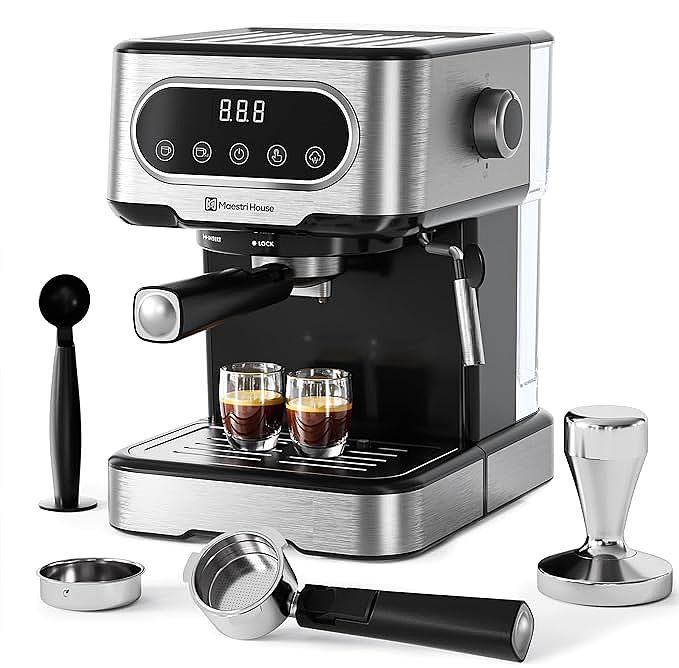
Maestri House CM5403F-N Espresso Machine
In the vast and complex world of coffee chemistry, few variables are as critical—and as frequently misunderstood—as temperature. For decades, the ability to control brewing temperature within a tight variance was the exclusive domain of commercial café equipment, machines that occupied significant counter space and commanded investment-level prices. However, a quiet revolution has been taking place in the domestic sphere. The democratization of "Third Wave" coffee is not just about access to better beans; it is fundamentally about the miniaturization of thermal stability technology.
The journey from a raw coffee bean to a balanced shot of espresso is, at its core, a chemical extraction process governed by the laws of thermodynamics. Water acts as a solvent, washing over the coffee grounds to dissolve soluble compounds. But this solvent is temperamental. Its efficacy changes drastically with every degree of heat applied. Understanding this thermal dance is the key to unlocking the "God Shot" at home, transforming a morning routine into a laboratory of flavor.

The Golden Window: 197°F and the Solubility Spectrum
To understand why precision matters, we must first look at what is actually happening inside the portafilter. Coffee grounds contain a complex array of molecules: fruit acids, caramelized sugars, lipids (oils), and heavier plant fibers that contribute to bitterness and astringency. These compounds do not dissolve simultaneously; they extract in a specific sequence, and their solubility is heavily dependent on thermal energy.
At the lower end of the temperature spectrum (below 190°F / 88°C), water struggles to dissolve the heavier, complex sugars and oils that give espresso its body and sweetness. The result is a cup that tastes sour, thin, and arguably "green"—a sign of under-extraction. Conversely, as temperatures climb past 205°F (96°C), the water becomes too aggressive as a solvent. It begins to break down the cellulose structure of the bean too rapidly, leaching out tannins and burnt-tasting compounds that overwhelm the delicate floral and fruity notes.
This creates a "Golden Window" for extraction, generally accepted by coffee scientists and master baristas to sit between 195°F and 205°F. Within this narrow band, the magic happens. The Maillard reaction products (notes of toast, chocolate, and nut) are highlighted, while the bright acids (citrus, berry) are balanced by sweetness. The Maestri House CM5403F-N Espresso Machine is engineered specifically to target this thermal sweet spot, maintaining a brewing temperature of approximately 197°F (92°C). This specific calibration is not arbitrary; 197°F is widely regarded as a safe harbor for medium to dark roasts, ensuring that the chocolatey and nutty depth is fully realized without tipping into acrid bitterness.

Thermal Stability vs. Thermal Accuracy
In the discourse of home espresso, "accuracy" often gets all the attention, but "stability" is the unsung hero. Accuracy means hitting 197°F; stability means staying there while cold water is rushing through the system. When you activate the pump, fresh water from the reservoir—usually at room temperature—enters the heating element. In lesser engineered systems, this influx causes a "thermal crash," where the brewing temperature plummets mid-shot.
A thermal crash is disastrous for flavor consistency. The first few seconds of the shot might extract properly, but as the temperature drops, the extraction efficiency wanes, leaving behind the sweetness that should have rounded out the cup. The modern generation of semi-automatic machines, exemplified by the thermal management in the Maestri House CM5403F-N, utilizes rapid-response heating technologies to mitigate this crash. By ensuring the water hitting the coffee puck remains consistent from the first second to the thirtieth, these machines allow the user to replicate a great result day after day. This reliability is what separates a novelty appliance from a true barista tool.

The Physics of Pressure and the "Crema" Myth
While temperature governs flavor, pressure governs texture. The defining characteristic of espresso—what distinguishes it from strong drip coffee— is the emulsification of oils into a colloid known as crema. This golden-brown foam is created when water under high pressure (typically 9 bars or more) forces carbon dioxide out of the coffee bean cellular structure and traps tiny bubbles of gas within the coffee oils.
The interplay between the machine’s pump and the resistance provided by the coffee puck is critical. If the grind is too coarse, the water rushes through without building pressure (channeling), resulting in a flat, watery shot. If the grind is too fine, the machine chokes. A machine like the CM5403F-N provides the necessary hydraulic force to penetrate the puck, but the user provides the variable of resistance through grind size and tamping force.
This relationship highlights a fundamental truth of semi-automatic brewing: the machine provides the constants (Temperature, Max Pressure), but the human provides the variables. This collaborative physics experiment is what makes the hobby so addictive. Achieving that thick, tiger-striped crema is visual confirmation that you have successfully balanced the equation of resistance and force.

Beyond the Shot: The Thermodynamics of Milk
For many, the espresso shot is merely the foundation for a milk-based drink like a latte or cappuccino. Here, a different set of physical principles comes into play: protein denaturation and aeration. Steam serves two purposes: it heats the milk to a palatable temperature (ideally 140-150°F) and it introduces air to create foam.
The texture we seek—microfoam—is a suspension of microscopic air bubbles trapped in a network of denatured whey proteins. Achieving this requires "dry" steam, meaning steam that doesn't carry excessive liquid water, which would dilute the milk. The steam wand on the Maestri House CM5403F-N facilitates this by allowing the user to create a vortex. This cyclonic motion folds the air bubbles into the liquid, smashing large bubbles into smaller ones until the milk resembles wet paint.
Just as with espresso extraction, temperature control is paramount here. If milk is heated beyond 160°F, the proteins unravel completely and curdle, and the lactose (milk sugar) loses its perceived sweetness. The ability to manipulate the steam wand manually gives the home barista control over this cutoff point, ensuring the milk remains sweet and silky rather than scalded and flat.

The Future of the Home Laboratory
The trajectory of the home coffee market is clear: consumers are moving away from the "black box" mystery of pod machines and toward the transparent control of semi-automatics. We are entering an era where the kitchen counter is a laboratory for flavor profiling. The hardware, represented by capable entry-points like the Maestri House CM5403F-N, has finally caught up with the ambition of the home enthusiast.
By understanding the underlying science—the solubility curves, the thermal stability, and the fluid dynamics of pressure—we cease to be passive consumers of caffeine and become active creators of culinary experiences. The perfect cup is no longer an accident; it is a predictable, repeatable triumph of applied physics.
Maestri House CM5403F-N Espresso Machine
Related Essays
The Hydrodynamics of Home Espresso: Mastering the Science of Extraction Variables
Ihomekee CM6822 15 Bar Espresso Machine: Barista-Quality Coffee at Home

JASSY JS-102C Espresso Machine: Brewing Science and Coffee Perfection
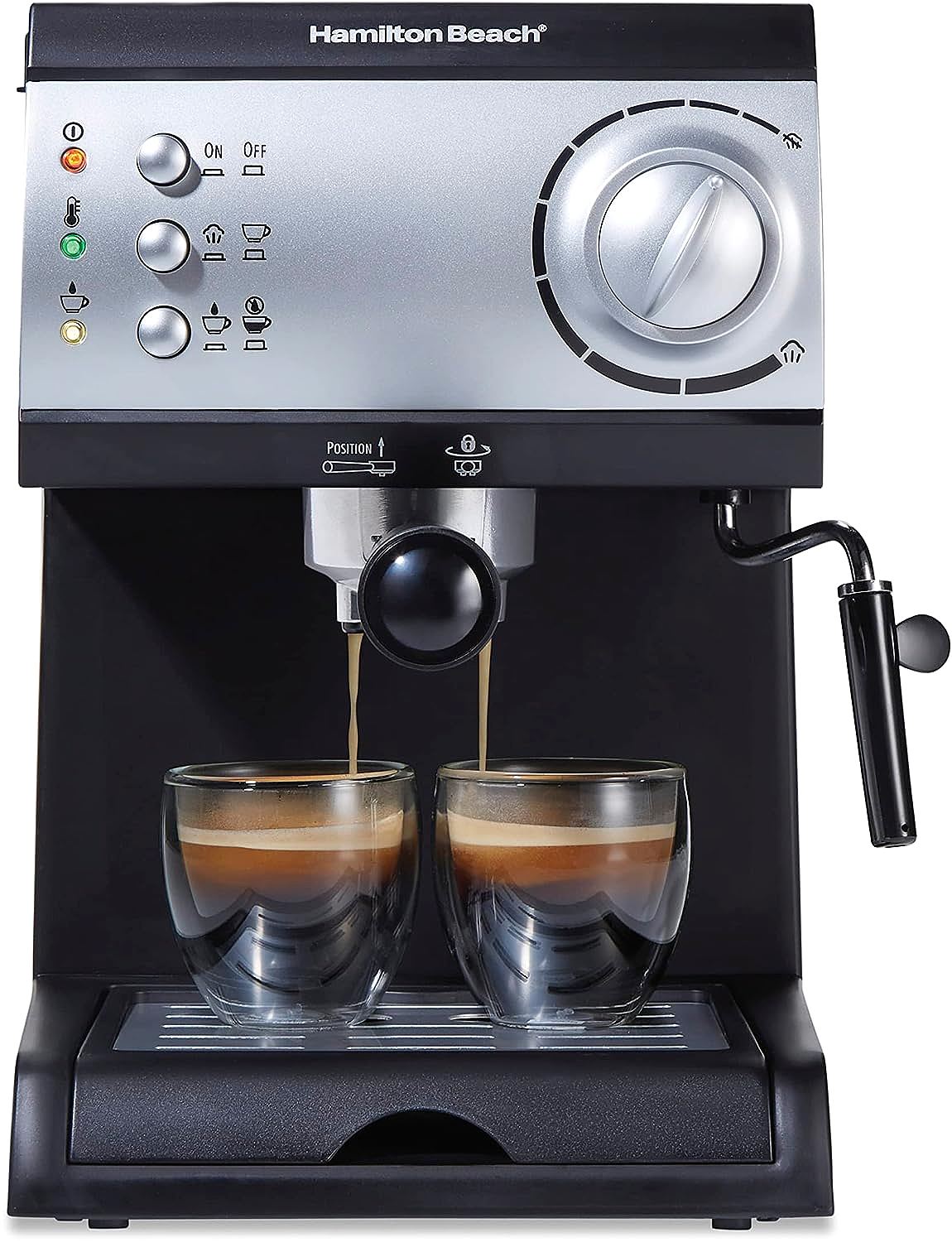
Hamilton Beach 40715 Espresso Machine: Barista-Quality Coffee at Home

Extracting the Essence: Fluid Dynamics and Thermal Limits in Espresso

The 20-Bar Espresso Machine Myth: What Really Makes the Perfect Home Brew

Gaggia Magenta Plus: Your At-Home Barista for Perfect Espresso
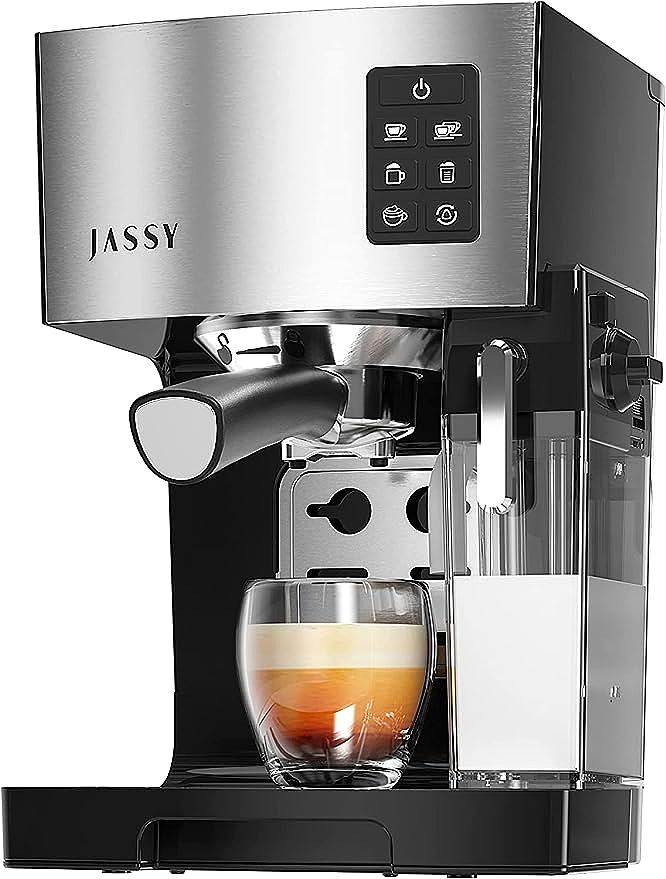
JASSY JS-100 Espresso Machine: Your Home Barista for Perfect Coffee

DR. COFFEE C11L Fully Automatic Coffee Maker: Your Personal Barista for Perfect Espresso