How to Keep Coffee Hot for Hours: Vacuum Insulated Travel Tumblers

THERMOS Stainless King Vacuum-Insulated Travel Tumbler
Anyone who has poured a fresh cup of coffee into a standard mug knows the disappointment that follows. Within thirty minutes, the rich, aromatic brew that started at the perfect drinking temperature has cooled to a lukewarm shadow of its former self. Pour it into a paper cup for the commute, and the problem only accelerates. The solution that actually works — and has worked for over a century — relies on a principle that sounds almost too simple: remove the air around your coffee, and heat has nowhere to go. This is the foundation of every vacuum insulated travel tumbler on the market today, and understanding how it works changes the way you think about keeping coffee hot.
The Science Behind Vacuum Insulation
Heat moves in three ways: conduction (direct contact), convection (fluid movement), and radiation (infrared energy). A standard ceramic mug loses heat through all three pathways simultaneously. The warm liquid heats the mug walls through conduction, the air around the mug carries heat away through convection, and the surface radiates infrared energy into the surrounding space. A vacuum insulated travel tumbler attacks the two biggest culprits — conduction and convection — by eliminating the medium that carries them.
The construction is straightforward in concept but demanding in execution. Two walls of stainless steel form an inner and outer shell, with a narrow gap between them. During manufacturing, the air is evacuated from this gap, creating a vacuum. Because heat conduction requires molecules to transfer kinetic energy from one to the next, and because a vacuum contains essentially no molecules, conductive heat transfer through the wall drops to near zero. Convective heat transfer — which depends on fluid circulating to carry heat — similarly stops dead. What remains is only radiative heat transfer, which manufacturers minimize through reflective interior coatings.
The THERMOS brand, which pioneered commercial vacuum flask technology in 1904, built its reputation on this exact principle. The company name became so synonymous with vacuum insulation that for decades people used "thermos" as a generic term for any vacuum flask, regardless of manufacturer. The underlying technology has improved over 120 years — better steel, tighter vacuum seals, more precise manufacturing — but the core idea remains unchanged. When you pick up a vacuum insulated travel tumbler today, you are holding a direct descendant of the original 1904 design, refined for modern use.
What separates a good vacuum tumbler from a mediocre one is how well the manufacturer executes the details. The thickness of the steel walls, the quality of the vacuum seal, the integrity of the weld joining the two walls, and the design of the lid all contribute to real-world performance. A poorly executed vacuum tumbler might hold a partial vacuum rather than a complete one, or it might have thermal bridges at the rim where the inner and outer walls connect, allowing heat to leak through a small but measurable path.

Why Stainless Steel Matters
Walk through any kitchenware store and you will find insulated containers made from various materials: plastic, glass, aluminum, and stainless steel. Among these, 18/8 stainless steel — also known as Type 304 — stands out as the material of choice for quality vacuum insulated drinkware. The designation 18/8 refers to its composition: 18 percent chromium and 8 percent nickel, mixed into the iron base. The chromium forms a passive oxide layer on the surface that resists corrosion, while the nickel stabilizes the crystal structure and enhances the corrosion resistance further.
Coffee presents a specific challenge that not all materials handle well. Brewed coffee has a pH between 4.5 and 5.5, making it mildly acidic. Prolonged contact with reactive metals can leach unwanted flavors, and some cheaper stainless grades — particularly Type 201, which substitutes manganese for some of the nickel — can develop rust spots or impart a metallic taste over time. Type 304 stainless steel, the same grade used in commercial kitchen equipment, restaurant cookware, and food processing machinery, resists this acidity without degradation. A tumbler made from 18/8 steel will not flavor your coffee, absorb odors from yesterday's brew, or corrode from daily use.
Stainless steel also offers practical advantages that matter for a container you carry daily. It withstands impacts that would shatter glass or crack plastic. It tolerates the high temperatures of a fresh brew without warping or releasing compounds. It survives dishwasher cycles — though manufacturers typically recommend the top rack to protect the vacuum seal from prolonged high heat at the heating element. And unlike aluminum, which can react with acidic beverages unless coated, stainless steel is inert and needs no interior lining that might eventually wear away.
The THERMOS Stainless King line uses 18/8 stainless steel throughout its construction, from the inner wall that contacts your coffee to the outer wall you hold. This consistency matters not only for durability but for performance: the reflective interior surface of the steel helps bounce infrared radiation back toward the liquid, reducing the one heat loss pathway that vacuum insulation alone cannot eliminate.

How Long Should Coffee Stay Hot?
Manufacturer claims about heat retention vary widely, and understanding what those numbers mean in practice requires some context. When a brand states its tumbler keeps coffee hot for seven hours, that figure refers to a specific test condition: typically, liquid heated to a near-boiling temperature (around 95 degrees Celsius or 203 Fahrenheit) and measured at intervals in a controlled room-temperature environment. The endpoint — the moment the beverage is no longer considered "hot" — usually falls around 60 degrees Celsius (140 Fahrenheit), which is still a comfortable drinking temperature but noticeably below the initial heat.
Real-world performance depends on several variables. How hot was the coffee when you poured it? How full was the tumbler — a full tumbler retains heat longer because there is less air space to absorb thermal energy? How often did you open the lid? Every time you drink, warm vapor escapes and cooler air enters, accelerating heat loss. The ambient temperature outside the tumbler matters as well: a tumbler sitting in a cold car during a winter commute loses heat faster than one in a climate-controlled office.
With these variables in mind, the THERMOS Stainless King travel tumbler's seven-hour heat retention rating translates to practical performance that covers most daily scenarios. A commuter who pours coffee at 7:00 AM will find it still acceptably hot at the 10:00 AM meeting, and drinkable through late morning. An office worker who sips slowly gets a warm cup from arrival through lunch. A camper who fills the tumbler at the morning campfire enjoys hot coffee through the first hours of the hike. For cold beverages, the eighteen-hour cold retention rating means iced coffee poured the night before is still cold the next afternoon.
The lid plays a larger role in total heat retention than many people realize. Because the vacuum-insulated walls block conductive and convective heat loss so effectively, the lid — which must have an opening for drinking — becomes the primary escape route for heat. A well-designed lid minimizes this loss with a tight seal when closed and a small drinking aperture when open. This is why two tumblers with identical wall construction can show noticeably different heat retention times: the difference lies in the lid engineering.
The Leak-Proof Lid Problem
Among the features that distinguish travel tumblers, the lid design deserves particular attention because it affects three things at once: heat retention, leak resistance, and drinking convenience. The market offers several lid philosophies, and the differences matter more than marketing materials typically convey.
One common approach is the press-in lid, used by brands like Hydro Flask on some models. The lid friction-fits into the tumbler opening and includes a drinking hole or slider. These lids are convenient — you lift to drink, no mechanism to operate — but the seal relies on friction rather than an active locking mechanism. When tipped or jostled, liquid can escape around the edges. The lid is splash-resistant, meaning it slows spills but does not prevent them under real-world conditions like a tipped bag or a sudden stop in traffic.
Another approach is the slider or magnetic lid, exemplified by the Yeti Rambler's MagSlider. A magnetically-held cover slides over the drinking opening, reducing spill risk and slowing heat loss. The magnetic closure is satisfying to use and does block most splashes, but it is not a watertight seal. A tumbler with a MagSlider lid placed sideways in a backpack will leak, slowly but steadily, because the magnetic force is not strong enough to resist liquid pressure.
The THERMOS Stainless King takes a different approach with its DRINKLOCK sealing lid. Rather than relying on friction or magnetism, the lid incorporates a silicone gasket that mechanically engages when the lid is closed, creating an active watertight seal. When closed, the tumbler can be inverted, shaken, or dropped in a bag without leaking. The mechanism is simple: a lever or twist motion compresses the gasket against the lid body, blocking the drinking opening completely. To drink, you open the mechanism, which reveals a sized drinking spout for controlled pouring.
This distinction — between splash-resistant and genuinely leak-proof lids — becomes critical in specific scenarios. A commuter who tosses the tumbler into a bag alongside a laptop needs leak-proof performance, not splash-resistant. A hiker whose pack gets jostled on the trail needs the same. For someone who keeps the tumbler upright on a desk all day, the difference matters less. Understanding which category a lid falls into, and matching that to your actual use pattern, prevents the soggy-bag disappointment that follows an overestimated lid seal.
The DRINKLOCK lid also includes a detail that no competitor matches: a built-in tea hook. This small metal clip holds the string of a tea bag or the chain of a loose-leaf infuser, allowing the tumbler to double as a tea brewer without the string slipping into the liquid. For tea drinkers, this is not a gimmick but a functional feature that makes the tumbler useful for more than coffee. The lid disassembles into its component parts for thorough cleaning, addressing a common complaint about competitor lids that trap coffee residue in inaccessible crevices.

Practical Scenarios: Commuting, Camping, and Beyond
The daily commute is the scenario most vacuum tumbler buyers picture first. A driver fills the tumbler at home, places it in the car's cup holder, and wants hot coffee available through traffic, the walk from parking to office, and the first hours of the workday. The requirements here are specific: the tumbler must fit a standard cup holder (which typically accommodates containers up to about 3.5 inches in base diameter), it must not leak when tilted during aggressive driving or sudden stops, and it must retain enough heat that the coffee poured at 7:00 AM is still enjoyable at 9:30. A 16-ounce tumbler like the THERMOS Stainless King fits standard cup holders, the DRINKLOCK lid prevents leaks on bumpy roads, and the seven-hour heat rating covers the full morning window.
Office workers who sip slowly face a different challenge: they do not finish their coffee in twenty minutes. A cup that sits on a desk for three hours, opened and closed repeatedly, loses heat with every sip. The vacuum insulation means the walls contribute almost nothing to heat loss — the heat that escapes leaves through the lid each time it opens. A tumbler rated for seven hours of heat retention gives a slow sipper a warm cup from arrival through late morning, even with periodic opening. The sweat-proof exterior matters here too: a tumbler that condenses moisture in a humid office leaves rings on documents and a wet grip, neither of which is welcome during a workday.
Camping and outdoor recreation put a tumbler through harsher conditions. The container rides in a pack with other gear, gets set on rocky or muddy surfaces, and must withstand temperature swings from a cold morning to a warming afternoon. The 18/8 stainless steel construction tolerates this abuse without cracking, denting (within reason), or corroding from exposure to moisture. For cold-weather camping, the seven-hour heat retention means coffee poured at the morning campfire is still warm during the mid-morning hike. For summer trips, the eighteen-hour cold retention means iced drinks stay cold through a full day outdoors. Dishwasher-safe construction (top rack) matters after a trip: the tumbler goes straight into the dishwasher rather than requiring tedious hand-cleaning at a camp sink.
Road trips combine several demands. The tumbler sits in a cup holder for hours, gets handled with one hand while the other steers, and must not leak when the vehicle hits potholes or takes sharp curves. The DRINKLOCK lid's positive seal addresses the leak concern directly. The 16-ounce capacity provides enough coffee for a leg of the journey without being so large that it grows cold before it is finished. And the matte steel finish shrugs off the fingerprints and minor scuffs that accumulate during a multi-state drive.
Winter outdoor activities — skiing, ice fishing, hunting, or simply walking in cold weather — represent the most demanding heat-retention scenario. The temperature differential between hot coffee and freezing air is extreme, which accelerates heat loss through any thermal bridge the tumbler has. A well-constructed vacuum tumbler holds its heat because the vacuum walls eliminate the primary loss paths, leaving only the lid as a vulnerable point. Seven hours of retention in mild conditions might translate to five or six hours in bitter cold, still enough for a morning on the slopes or a few hours in a hunting blind.
What to Look for When Choosing a Travel Tumbler
Knowing how vacuum insulation and lid design work gives you a framework for evaluating any travel tumbler. Rather than relying on marketing claims, you can assess the features that determine real-world performance.
Heat retention claims. Look for specific numbers — hours at a stated temperature — rather than vague promises. A claim of "keeps drinks hot" without a duration and temperature endpoint tells you nothing useful. Compare claims across brands at similar capacities: a 16-ounce tumbler claiming seven hours is in the same performance tier as one claiming six hours, and the difference may come down to lid design rather than wall construction.
Lid type. This is the feature most often misunderstood. Determine whether the lid is leak-proof (active seal, can be inverted) or splash-resistant (passive cover, slows but does not prevent spills). Match the lid type to your use: leak-proof for bags, packs, and active environments; splash-resistant is acceptable for desk use. Check whether the lid disassembles for cleaning, because a lid that traps residue becomes a hygiene problem over time.
Material grade. Not all stainless steel is equal. Look for 18/8 (Type 304) or 18/10 (Type 316) designations, which indicate food-grade corrosion-resistant steel. Tumblers that simply say "stainless steel" without specifying the grade may use Type 201, which is less corrosion-resistant and can impart flavors over time. The difference shows up after months of use, not on day one.
Capacity and fit. Consider where the tumbler will live most often. A 16-ounce tumbler fits most car cup holders and is manageable one-handed. Larger capacities — 20, 24, or 30 ounces — hold more but may not fit older vehicle cup holders and become heavy when full. For primarily desk use, larger sizes make sense. For commuting and outdoor use, 16 to 20 ounces is the practical range.
Price relative to performance. The premium insulated tumbler market ranges from about $20 to $35. The performance differences between $20 and $35 tumblers are often smaller than the price gap suggests — a $22 tumbler with a good vacuum seal and a leak-proof lid can match or exceed a $35 tumbler with a splash-resistant lid in practical use. What you pay for at the premium end is often brand recognition and finish options rather than fundamental performance.
Cleaning requirements. A tumbler that is difficult to clean will get used less. Look for dishwasher-safe construction (top rack) and lids that disassemble. Tumblers with complex lid mechanisms that cannot be taken apart tend to accumulate coffee oils and residue, which eventually affect flavor. The ability to clean every surface that contacts liquid is a practical necessity for daily use.
Understanding these factors turns tumbler selection from a guessing game into an informed decision. The vacuum insulated travel tumbler category offers genuinely useful performance — hours of heat retention that a conventional mug cannot approach — but only when the construction details are sound. The THERMOS Stainless King, with its 18/8 steel walls, seven-hour heat retention, and genuinely leak-proof DRINKLOCK lid, represents a balanced implementation of the principles that make vacuum insulation work. Knowing how and why it works lets you apply the same evaluation to any tumbler you encounter.
THERMOS Stainless King Vacuum-Insulated Travel Tumbler
Related Essays
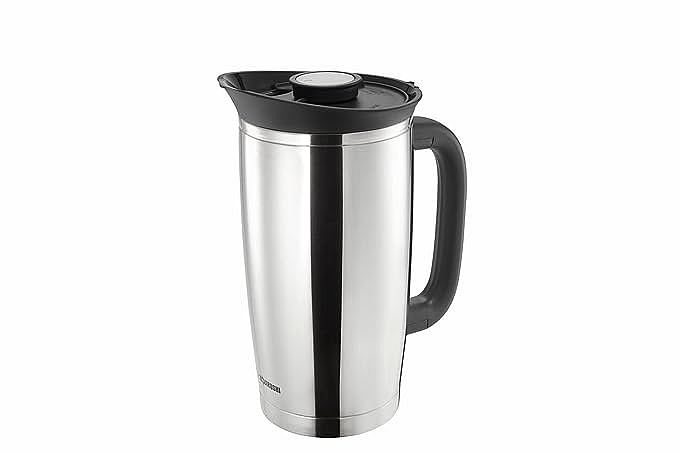
Zojirushi SK-XAE10XA: The Ultimate French Press for Hot, Flavorful Coffee

Aluminum vs Stainless Steel Moka Pot: Which Is Better? (2026)
Why Metal Matters: The Hidden Physics Behind Your Morning Coffee

Capresso 403.05 8 Cup Perk: The Science of Hot, Fast Percolator Coffee
Capresso 403.05 8 Cup Perk: The Science of Hot, Fast Percolator Coffee
Capresso 403.05 8 Cup Perk: The Science of Hot, Fast Percolator Coffee
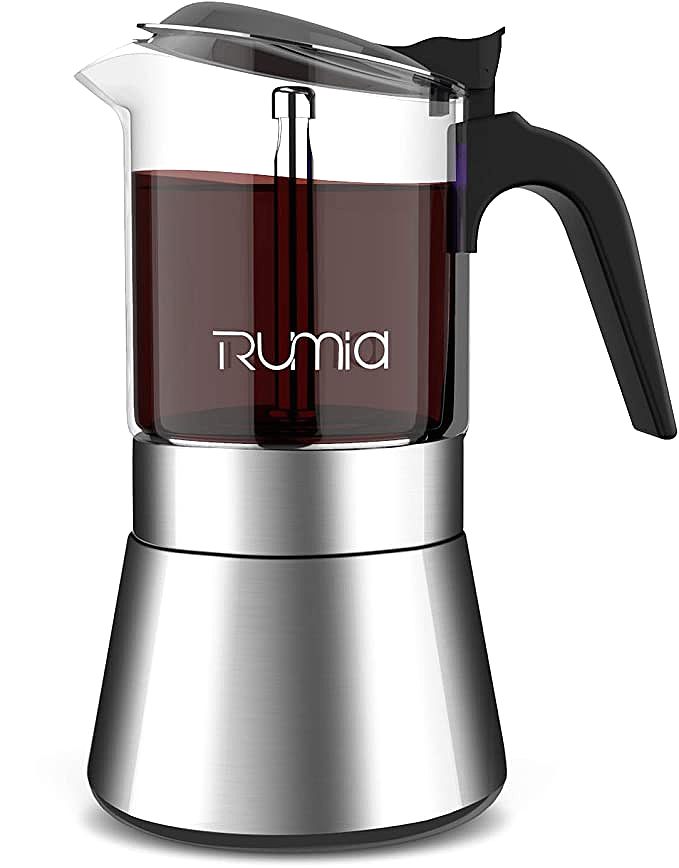
Stainless Steel Moka Pots: Material Safety and Visual Brewing Explained

Stop "Cooking" Your Coffee: The Thermodynamics of the BLACK+DECKER Thermal Carafe

The Material Science of a Perfect Shave: Blades, Bodies, and the Art of Compromise
